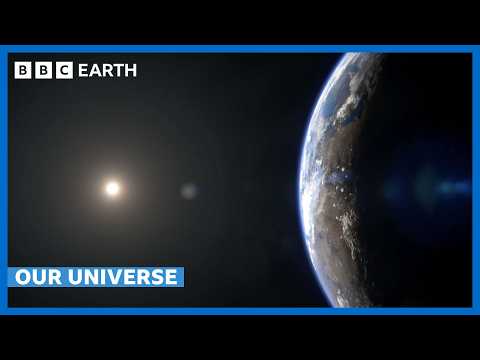
Okay, so picture this: you’re standing outside on a beautiful sunny day, right? The sky’s super blue and the birds are singing. But then, suddenly—outta nowhere—it starts pouring rain! I mean, seriously? What just happened?
That’s earth science for you! It’s all about decoding the wild ways our planet works. From those dramatic weather changes to how mountains are formed and why oceans exist, it’s like Mother Nature’s own magic show.
Everyday stuff is actually way more fascinating than it seems. It tells a story about our world that can blow your mind! So, let’s take a little journey together into this crazy complex system we call Earth. You ready?
Unveiling Earth’s Secrets: Insights from Cutting-Edge Scientific Research
Earth is like this massive puzzle, full of secrets just waiting to be discovered. Every rock, river, and atmosphere layer tells a story about our planet. With cutting-edge research, scientists are unveiling these stories piece by piece.
One major area of research is geology. Geologists study the Earth’s materials and processes. They look at rocks to understand how they formed and changed over millions of years. For instance, the Grand Canyon isn’t just a pretty sight; it’s a history book carved in stone! The layers of sediment tell us about the climate changes throughout time.
Then there’s meteorology, which is all about understanding weather patterns. The research here can be mind-blowing. Scientists use advanced technology, like satellites and supercomputers, to predict storms before they even form! Remember that time when a hurricane was tracked days in advance? That’s thanks to years of meticulous data collection and analysis.
Another fascinating field is oceanography. Our oceans cover over 70% of the Earth’s surface! Oceanographers study everything from tides to underwater volcanoes. One cool thing they’ve discovered is that oceans are like gigantic circulatory systems for our planet, redistributing heat and nutrients around the globe.
A big part of understanding our planet’s systems involves studying climate change. Researchers gather data from ice cores and tree rings to see how temperatures have shifted over thousands of years. This helps us grasp what might happen next if we don’t take action now! It’s scary but also empowering because knowledge gives us the chance to change things for the better.
Aerospace technology has also stepped into the mix. Satellites measure everything from land use changes to deforestation rates. That data is crucial for conservation efforts because it shows where we need to focus our resources most effectively.
In all these fields, experts often collaborate across disciplines. Imagine a geologist teaming up with an oceanographer! They might work together on coastal erosion issues caused by rising sea levels—a pressing concern today.
The thing is, each new discovery leads to more questions. You know what I mean? Just when you think you’ve got it figured out, some new study challenges previous beliefs or uncovers fresh insights!
So next time you’re outside soaking in nature or even just walking down your street, remember that there’s so much happening beneath your feet—secrets being unveiled daily by scientists working hard to protect this beautiful planet we call home.
Comprehensive Overview of Grade 11 Earth Science Topics: Exploring Key Concepts and Curriculum
Sure, let’s chat about Grade 11 Earth Science and some key concepts you might bump into. You know, Earth Science is all about understanding our planet—its systems and how they work together. It’s like piecing together a giant puzzle made up of different scientific fields.
Geology is a big part of this subject. It focuses on the Earth’s structure and materials. You’ll explore rocks, minerals, and the processes that shape our planet over time. Ever heard of plate tectonics? It’s basically how the Earth’s outer shell is divided into plates that move around. When they bump into each other, you get earthquakes or even volcanoes! Pretty cool, huh?
Then there’s meteorology, which deals with weather and climate. You’ll learn about atmospheric conditions and how they influence everything from daily weather to long-term climate changes. For example, when warm air rises and cooler air sinks, that sets up winds! And trust me, understanding these patterns helps explain why it’s so hot one day and freezing the next.
Another fun section is oceanography. This field looks at oceans—their currents, waves, and ecosystems. Think about how ocean currents shuffle warm water around the globe; this affects climates far from the coastlines! Plus, you’ll discover what lives in those waters—from tiny plankton to massive whales.
Moving onto environmental science, this deals with human impacts on Earth systems—like pollution or deforestation—and what we can do to mitigate those effects. This part could really hit home because it makes you think about your own life choices and their effects on nature. Like when you make an effort to recycle or use less plastic!
Astronomy also sneaks in there sometimes since it’s all about understanding Earth in a broader cosmic context. Learning where Earth stands in relation to other planets can give you a fresh perspective on our little blue marble spinning in space.
And don’t forget earth’s resources. You’ll talk about natural resources like minerals, fuels, or water and discuss how we can use them sustainably without depleting them for future generations.
So generally speaking, Grade 11 Earth Science brings together all these elements to help you appreciate just how interconnected everything is—it’s pretty mind-blowing when you think about it! The way each system influences another becomes clearer as you dig deeper into these topics.
In short:
- Geology: Rocks & plate tectonics.
- Meteorology: Weather patterns & climate change.
- Oceanography: Oceans & their ecosystems.
- Environmental Science: Human impacts & sustainability.
- Astronomy: Understanding Earth’s place in space.
- Earth’s Resources: Natural resources & sustainability.
When studying these areas, you’ll likely engage with hands-on activities or projects too! They help solidify all those concepts by giving you real-world connections to what you’re learning. It makes science come alive right before your eyes!
Exploring Earth Science: 5 Key Topics That Shape Our Understanding of the Planet
Alright, let’s jump right into Earth Science, shall we? It’s pretty much the study of our planet and all its crazy systems. You might not think about it much, but it helps us understand everything from rocks to weather patterns. So let’s take a closer look at five key topics that shape our understanding of this beautiful blue marble we call home.
1. Geology
This is like the backbone of Earth Science. Geology focuses on **the solid part of our planet**—you know, the rocks, minerals, and landforms. It’s fascinating stuff! For instance, when you see mountains, it’s a result of tectonic plates colliding and pushing up the ground. Ever been hiking? Those trails are literally walking through millions of years of geological history!
2. Meteorology
You’ve probably heard this one before—meteorology is all about weather and climate. It’s crucial because it helps us anticipate storms or understand long-term changes in climate patterns. Picture this: you’re planning a beach day and suddenly hear about an unexpected storm heading your way! Thanks to meteorologists who study these patterns, you can adjust your plans—and maybe avoid getting soaked!
3. Oceanography
Let’s take a splash into oceanography! This topic dives into the oceans’ physical, chemical, and biological properties. The seas cover over 70% of our planet! Can you imagine? They influence weather systems and help regulate our climate too. Plus, they’re full of life—think coral reefs teeming with colorful fish or the vast depths where strange creatures live.
4. Atmospheric Science
Atmospheric science looks at what surrounds us—the air we breathe and how it interacts with everything else on Earth. Ever noticed those pretty clouds drifting by? They’re more than just eye candy; they play a huge role in weather patterns and climate change too! By studying atmospheric dynamics, scientists can better predict natural disasters like hurricanes or droughts.
5. Environmental Science
Finally, here comes environmental science—the study of how humans interact with nature! It examines issues like pollution, conservation efforts, and sustainability practices that can help protect our planet’s resources for future generations. You know that feeling when you see litter on a beautiful trail? That’s why understanding this field is so crucial—it helps inform actions to preserve natural spaces you love!
Each one of these topics help create a bigger picture of how Earth works as one interconnected system—and that’s pretty darn awesome if you ask me! So next time you step outside or watch the news forecasting the weather, remember there’s some serious science at play making sense of this incredible planet we live on.
You know, Earth science is like this amazing treasure trove of knowledge about our planet. Seriously, it’s wild! When you think about it, our world is this complex web of systems—like the atmosphere, oceans, and the land itself—all working together in a kind of chaotic harmony. It’s like watching a giant dance that never stops.
I remember this one time when I was hiking up a mountain with some friends. We took a break and just sat there, looking at the vast landscape. The clouds were dancing around with the sun peeking through, and I started to think about how everything we see is interconnected. The rain that nourished those trees? It traveled from the sky to the earth, becoming part of something much bigger.
Earth scientists dig deep into these processes. They study everything from volcanic eruptions to ocean currents and climate changes. Like, how cool is it that they can uncover these patterns? They show us how, for instance, a tiny change in temperature can lead to massive shifts in weather patterns or sea levels over time! It’s mind-blowing.
But there’s also this emotional side to it all—realizing how fragile these systems are makes you want to protect them even more. Whenever I hear about natural disasters linked to climate change or pollution affecting our oceans, it’s like a punch in the gut. We’ve got to stay informed and connected to what’s happening around us.
The thing is, every little action we take can impact these systems—whether it’s recycling or just being mindful of our carbon footprint. It’s empowering and scary at the same time! Through Earth science, we’re equipped with knowledge that can help us make better choices for our home.
So yeah, Earth science isn’t just some dry academic field; it’s basically an invitation to appreciate and care for our beautiful planet—a reminder that everything we do matters in maintaining that intricate dance of life on Earth.