You know that feeling when you’re outside on a clear night, and you just stop? The stars are twinkling like a million little diamonds. It’s pretty magical.
I remember one time, I laid on my back in the backyard with a friend, totally convinced we were going to see aliens. Spoiler alert: we didn’t. But we did spot some cool constellations!
Anyway, let’s talk about telescopes for a sec. They’re like your personal VIP pass to the universe. You don’t have to be an astronaut or a scientist to get up close and personal with the cosmos.
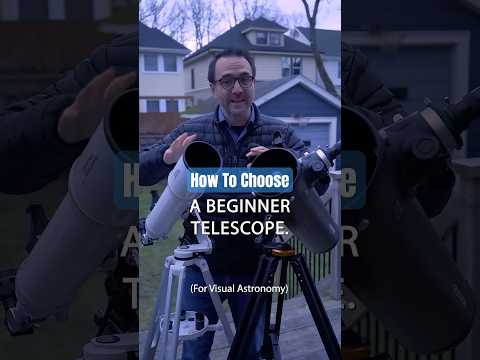
So, imagine holding one of these bad boys — like the Ecoopro Telescope — in your hands. The night sky becomes your playground! Stars, planets, and who knows what else just waiting for you to discover them… Sounds pretty awesome, right?
Exploring Celestial Wonders: Observing Planets with a 70mm Telescope
So, you’re curious about exploring the night sky with your own 70mm telescope? That sounds awesome! There’s just something magical about looking up at the stars and planets, don’t you think? Just the other night, I was sitting in my backyard, feeling like a kid again as I gazed through a telescope. It made me feel connected to the universe in a way that’s hard to describe.
First off, let’s talk about what a 70mm telescope actually is. The “70mm” refers to the diameter of the telescope’s main lens or mirror. A bigger diameter means more light can come in, and that helps you see fainter objects. Basically, it’s like having bigger eyes for stargazing!
Now, **what can you see with a 70mm telescope?** Here are some celestial wonders you might want to check out:
- Planets: You can see planets like Jupiter and Saturn quite clearly! Jupiter shows off its bands of clouds and even its four largest moons if conditions are right. Saturn’s rings? Totally stunning!
- The Moon: Our closest celestial neighbor is amazing through any telescope. With a 70mm scope, you’ll catch its craters and mountains in sharp detail.
- Mars: During certain times when it’s close to Earth, you might spot some surface features. It won’t be as flashy as Jupiter or Saturn but still pretty cool!
- Star Clusters: Things like the Pleiades or Hercules Cluster are beautiful collections of stars that look fantastic when viewed through your telescope.
- Galaxies: While they might be a bit faint compared to planets, you can still catch glimpses of nearby galaxies like Andromeda on clear nights.
Now let’s not forget about **how to get started** observing! Here are a few things to keep in mind.
– **Location matters:** Find a dark spot away from city lights if possible. Light pollution makes it tough to see fainter objects.
– **Weather conditions:** Clear skies are ideal. Check forecasts because clouds ruin everything; trust me on this one!
– **Timing is key:** Some celestial objects are only visible during specific times of year or hours of night. Plan ahead so you don’t miss out.
– **Be patient:** Sometimes it takes getting used to focusing and finding objects in the sky. Don’t give up if it’s not perfect right away; practice makes progress!
And oh boy, ***the best part***? Sharing your experiences! It feels incredible when you invite friends or family over for an observing session. Watching their faces light up when they see Saturn’s rings for the first time is pure joy.
So there you go! With your 70mm telescope by your side, every trip outside could turn into an adventure among stars and planets waiting for you just above. Happy stargazing!
Understanding the Darkness: Exploring Why Your Telescope Only Reveals Blackness in Astronomy
The universe is a vast, mysterious place, right? When you look through your telescope and see mostly blackness, it might leave you scratching your head. Why does that happen? Well, let’s break it down.
First off, space is really, really big. And most of it is empty. Darkness in space isn’t just a lack of light; it’s actually the absence of matter. So when you’re peering through your telescope, the black void isn’t a sign of broken equipment or something sinister—it’s just how the cosmos works.
Now let’s talk about light. Stars emit light, which travels across the cosmos for millions, even billions of years! But here’s the kicker: light diminishes over distance. So when you’re aiming at a star that’s super far away, its light can be faint by the time it reaches you. It’s like trying to hear someone whispering from across a football field; good luck catching every word!
Additionally, there’s something called redshift. When stars move away from us (like how galaxies are receding), their light shifts toward longer wavelengths. This means that by the time that light gets to us, some wavelengths may be out of our visible spectrum altogether or too weak to see with basic telescopes.
And then we have dust and gas between us and those distant celestial bodies. Space isn’t completely empty; there are clouds of gas and dust hanging around like cosmic fog. These can absorb or scatter the light you’re trying to observe. Imagine trying to look through a dirty window—you get those weird smudges messing up your view!
Another point worth mentioning is the sensitivity of your telescope. Depending on its power and type (like refractor vs reflector), some telescopes pick up more light than others. If you’re using a beginner model, it might not have the ability to detect dimmer objects in space.
And let’s not forget about our own atmosphere! You’re looking through layers of air filled with moisture and pollution! All this can distort starlight—a phenomenon known as atmospheric distortion—making those celestial gems appear even dimmer than they are.
But hey! Just because you see darkness doesn’t mean there’s nothing there! With patience and practice (and maybe some cooler gear), you’ll start identifying all sorts of things hidden in that vast blackness—a cluster of stars here, a galaxy over there… It all starts to come alive once you know where to look!
To sum up:
- Space is mostly empty, leading to vast stretches of darkness.
- Light diminishes over distances.
- Redshift happens when stars move away from us.
- Dust and gas can block or scatter starlight.
- The sensitivity of your telescope plays a huge role in what you see.
- The atmosphere distorts starlight, making dim objects harder to spot.
So next time you’re gazing into that black sky feeling like there’s nothing out there—remember: even in darkness lies wonder waiting for discovery!
Exploring the Efficacy of 200x Magnification in Telescopic Astronomy: A Comprehensive Analysis
So, you’re curious about the whole 200x magnification thing in telescopes, especially in the realm of astronomy? Cool! Let’s break it down together.
First off, when we talk about **200x magnification**, it basically means that an object appears 200 times closer than it does with the naked eye. Imagine looking at your favorite star or planet up close and personal. Pretty exciting, right? But here’s the kicker: just because a telescope can magnify an image a ton doesn’t mean it always delivers great views. Sometimes you might get all zoomed in without seeing much detail. Why is that?
Well, one big factor is **atmospheric conditions**. When you’re looking up at the stars, there’s all sorts of stuff happening in the air above you—like heat waves and turbulence—that can mess with what you see. Basically, if it’s a hot summer night, that air gets wavy and makes everything fuzzy. So even with 200x magnification, you might feel like you’re looking at a wobbly jellyfish instead of crisp star clusters.
Another thing to keep in mind is **apparent field of view**. With high magnification like this, your field of view gets narrower. It’s kind of like using a zoom lens on your camera; yeah, you can see details on the subject better but good luck getting everything into frame! This means if you’re observing something like the moon or planets, they might fill up your view so much that you’re missing out on their surroundings.
Also, let’s chat about technology for a second—specifically optics. The quality of the glass and coatings used in your telescope make a huge difference too! Higher quality optics can really sharpen those images without blowing them out or losing contrast.
Now picture this: You’ve set up your telescope on a clear night. You’re pumped to see Jupiter’s bands or Saturn’s rings through that powerful lens. Once you finally get everything aligned and focused properly—bam! You’re treated to stunning views that take your breath away (seriously!).
**But**, don’t forget that simpler telescopes can also offer amazing experiences too! Sometimes even a basic set-up with lower magnification can provide beautiful views of celestial events if conditions are right.
In summary:
- Magnification alone doesn’t guarantee detailed images.
- Atmospheric conditions play a significant role in clarity.
- A narrower field of view can limit what you observe.
- The quality of optics matters greatly for image sharpness.
So yeah, while 200x magnification certainly has its perks—if conditions are perfect—it’s worth keeping realistic expectations too regarding what you’ll actually see through your telescope’s eyepiece. Happy stargazing!
You know, there’s something magical about gazing up at the night sky. I remember the first time I looked through a telescope. It was my uncle’s old, dusty one tucked away in his attic. The moment I saw Jupiter and its moons, it felt like I’d opened a door to another universe. Seriously! Every twinkling star suddenly had a story behind it, and I was hooked.
So, talking about gear that can take you on that kind of journey, let’s chat about telescopes—not just any telescope but specifically this Ecoopro Telescope I’ve heard of. It’s interesting how much you can learn just by pointing one of these bad boys at the sky. You set it up, look through the eyepiece, and bam! You’re seeing the craters on the Moon or maybe even Saturn’s rings if you’re lucky!
The Ecoopro Telescope aims to be user-friendly for everyone. This is super important because science shouldn’t feel like an exclusive club only for brainiacs in lab coats. When someone can pick up a telescope and explore without feeling intimidated—what happens? They start asking questions! Why is Mars red? How far are those stars? Suddenly, you’re not just stargazing; you’re learning about planets, light years, and all sorts of cool stuff.
But it’s more than just looking at pretty pictures of space; it’s an invitation to think bigger about our place in all this. Like, have you ever thought about how tiny we are compared to the universe? It really puts things into perspective! And hey, who doesn’t love a good “we’re all made of stardust” moment?
And then there’s the environmental aspect—this Ecoopro Telescope isn’t just about looking at celestial bodies; it’s part of a broader conversation on promoting science with sustainability in mind—which is pretty rad if you ask me. When people start connecting with nature through their passion for space, they also tend to care more about protecting our planet.
So yeah, whether you’re an experienced astronomer or someone who just wants to see what’s out there during a clear night (which are few and far between sometimes!), telescopes like these might be your ticket into that big ol’ cosmos waiting above us. Just remember: every stargaze could spark curiosity—and who knows where that might lead you next?