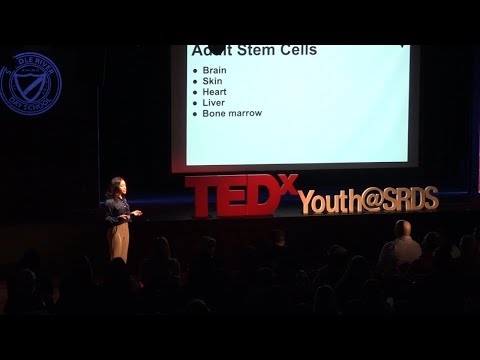
So, picture this: you’re chilling with some friends, and someone casually mentions that scientists are growing tiny versions of embryos in the lab. You’re like, “Wait, what?!” Yup, it’s true! They call them “embryoids,” and they’re kind of like miniature embryos that can help us unlock some cool secrets about regenerative medicine.
You know how we often dream of healing injuries or even reversing aging? Well, these little guys might just be the key. Imagine a world where damaged organs can be healed just by using these tiny creations. Sounds like something out of a sci-fi movie, right?
But hang on, it’s not all high-tech wizardry. There’s some serious science behind it—researchers are digging deep into how these embryoids work and how they could change our lives for the better. So let’s chat about this fascinating field and what it means for all of us!
Comprehensive Guide to Stem Cell Research: Downloadable PDF Papers and Insights in the Field of Science
So, stem cell research! It’s a huge and fascinating area of science that’s been buzzing for quite a while. Basically, stem cells are like the blank slates of our bodies. They can turn into different types of cells, which makes them super important for healing and regeneration. You know how when you cut your finger, it heals? That’s partly thanks to stem cells working behind the scenes.
When we talk about **embryoid research**, we’re diving into something pretty cool. Embryoids are structures that mimic early embryo development but aren’t actual embryos. Think of them as mini-models that help scientists understand how cells develop and function without the ethical concerns tied to working with real embryos.
Now, let me break it down for you:
- Types of Stem Cells: There are two main kinds – embryonic stem cells and adult stem cells. Embryonic ones can become any cell type in the body, while adult ones have more specific roles.
- What are Embryoids? They can be created from stem cells and serve as platforms to study development and diseases. Scientists can assess how tissues form or how diseases affect growth.
- Applications in Regenerative Medicine: Regenerative medicine is all about healing or replacing damaged tissues or organs. Through embryoid research, scientists hope to figure out ways to treat conditions like spinal cord injuries or heart disease.
Just imagine a world where we could generate new heart tissue from a patient’s own stem cells! It sounds exciting but think about some of the challenges too—like making sure these cells behave properly once they’re in the body.
One unforgettable moment I had was when I attended a talk by a researcher who was using embryoids to study neural development for treating conditions like Alzheimer’s disease. Seeing their passion and dedication made me realize just how much potential lies ahead in this field.
It’s not just about finding cures; it’s also about understanding life at its most fundamental level. The thing is, every discovery leads to another question. For example, what if we could customize embryoids based on individual genetics? That would open up a whole new world in personalized medicine!
If you’re curious about diving deeper into this topic, you might find downloadable PDF papers very helpful! Many universities or scientific journals publish reports on recent discoveries in embryoid research. They might cover everything from experimental methods used to ethical considerations surrounding the use of stem cells.
So yeah, keep your eyes peeled for those resources if you want more insights! It feels like we’re at the edge of something incredibly transformative in healthcare—something that all started with those unique little cells that hold so much promise.
In summary, **stem cell research** plays a pivotal role in regenerative medicine through innovations like **embryoid research**. It’s an exciting time filled with possibilities and discoveries that could change lives forever!
Exploring Recent Advances in Stem Cell Research: Breakthroughs and Future Implications in Science
Stem cell research has been one of the most exciting frontiers in modern science. You know, it’s like a treasure chest filled with potential, just waiting to be unlocked. If you’re into biology or just curious about how our bodies work, you probably already have a bit of an idea about what stem cells are. They’re special cells that can become any type of cell in the body. So, they have this amazing ability to regenerate and heal tissues! Pretty cool, huh?
Now, let’s talk about embryoid bodies. These are clusters of stem cells that start to develop into structures resembling early embryos. Researchers use these embryoids to study how stem cells differentiate and grow—without having to deal with actual embryos. This is where things get really interesting for regenerative medicine, which aims to heal or replace damaged tissues and organs.
One breakthrough recently is the development of organoids. Imagine tiny organs growing in a dish! That’s what these scientists are creating from stem cells. Organoids can mimic real organs’ structure and function while being easier to work with in a lab setting. They’ve been made for the brain, liver, and even parts of the gut! This means researchers can study diseases more effectively and test new drugs without needing human trials right away.
And let’s not forget about how this all ties back to your health. Picture someone who suffered severe heart damage from a heart attack. In the future, perhaps we could use their own stem cells to help regenerate heart tissue! How amazing would it be if we didn’t need transplants anymore?
However, while these advances sound great—and they are—there are still challenges ahead. Ethical concerns come into play when dealing with human cells. For instance, using embryonic stem cells raises questions about life and moral implications. Scientists are now focusing on using induced pluripotent stem cells (iPSCs) instead—basically reprogramming adult cells back into a youthful state where they act like stem cells.
So imagine walking into a lab someday where scientists are creating replacement tissues from your own skin cells—it could happen! The implications for illnesses like Parkinson’s or diabetes could be huge because it means tailormade treatment options.
In summary:
- Stem cell research holds immense promise for healing.
- Embryoid bodies allow scientists to explore development without actually using embryos.
- Organoids mimic real organs and facilitate disease study.
- The goal is future treatments that might eliminate the need for organ donations.
- iPSCs offer an ethical alternative for generating stem cells.
Although humanity hasn’t fully landed there yet, each step brings us closer to innovative therapies that could change lives forever. And isn’t that worth all the efforts?
Advancements in Stem Cell Therapy: A Comprehensive Review of Current Research and Future Directions
Stem cell therapy has been making waves in the medical field lately, and it’s pretty exciting stuff! So, let’s talk about what’s happening right now and where things might be heading.
First off, what are stem cells? Simply put, these are special cells that can turn into different types of cells in the body. Imagine them as blank slates or Lego blocks waiting to be built into something cool. They’re crucial for growth and healing because they can transform into whatever your body needs.
Now, advancements in stem cell therapy have opened doors to treat a bunch of diseases. For instance, researchers are looking at how to use stem cells to fix damaged hearts or even regenerate nerve tissues in spinal cord injuries. Crazy, right? The potential here is almost limitless.
One of the hottest areas right now is embryoid research. So, what is that? Think of it as creating tiny versions of embryos from stem cells. These mini-embryos mimic early developmental stages but help scientists study how tissues form without needing actual embryos. Neat!
- Regenerative medicine. This field is all about repairing or replacing damaged tissues or organs using these embryoids. It could revolutionize how we treat conditions like diabetes or neurodegenerative diseases.
- Tissue engineering. By understanding how embryoids develop into various tissues, researchers can create lab-grown tissues for transplants or testing drugs safely without using animals.
- Customized therapies. One day, we might be able to create specific stem cells tailored just for you! This personalized approach can lead to better treatment outcomes with fewer side effects.
But hold up—there’s still work to be done. The ethical concerns around using certain types of stem cells can’t be ignored; there are debates over when life begins and the sourcing of these cells. Plus, scientists are still figuring out the best ways to control how these stem cells develop so that they don’t go rogue and form tumors instead!
The future looks bright, though! Research is constantly evolving. Scientists are exploring innovative techniques like gene editing (yes, CRISPR!) that could enhance the capabilities of stem cells even further. Imagine a world where we can repair debilitating injuries with some lab-made magic!
To wrap up this little chat on advances in stem cell therapy and embryoid research: we’re on the verge of breakthroughs that could change lives dramatically. It’s as if we’re unlocking secrets about our bodies that were hidden away for so long—and it feels like we’re just scratching the surface.
So keep an eye on this field; it’s definitely one worth watching as science continues its incredible journey!
Alright, so let’s talk about something that might sound a bit out there—embryoid research. Yeah, I know it sounds like something from a sci-fi movie, but hang tight! This stuff is actually super cool and has real potential for regenerative medicine.
Picture this: you walk into a lab where scientists are creating tiny structures that mimic early human development. These are called embryoids, and they’re kind of like mini versions of embryos. So researchers can study how cells grow and develop without using actual embryos. Isn’t that mind-blowing? It’s like taking a sneak peek at the building blocks of life!
Now, here’s where it gets even more interesting. Regenerative medicine aims to repair or replace damaged tissues and organs. You know those dramatic stories about people getting their vision back or hearts being healed? Well, embryoid research plays a big role in those breakthroughs! By understanding how cells differentiate and form tissues in embryoids, scientists hope to find ways to regenerate damaged organs in adults. Imagine being able to grow a new heart or regenerate nerve cells for someone with spinal cord injuries! Seriously incredible stuff.
I remember watching a documentary once about a woman who had lost her ability to walk due to an accident. She talked about her hopes for the future and how she wished for new treatments that could heal her body rather than just manage her pain. That got me thinking about what could happen if embryoid research leads to solutions for people like her—it’s all connected!
But of course, as with any groundbreaking field, there are ethical considerations. The line between research and ethics can feel blurry sometimes. And many folks are concerned about the implications of manipulating how life begins—even at such an early stage as an embryoid! You get why people have mixed feelings about this; it’s not just science—it’s life we’re talking about.
So yeah, while the innovations in this field spark excitement and hope, they also bring up important questions we need to address together as society moves forward. It’s such a delicate balance between what we can do scientifically and what’s best for everyone involved.
In the end, embryoid research feels like one piece in a massive puzzle toward understanding how we can improve health care through regenerative medicine. It’s awesome to think we might be on the brink of major medical advances that could change lives—and that’s something worth keeping an eye on!