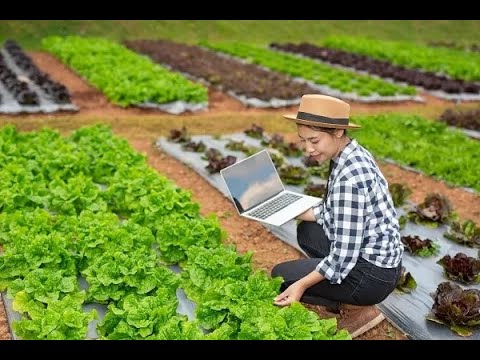
You know that moment when you bite into a super fresh tomato, and it tastes like sunshine? Yeah, that’s what sustainable farming is all about. But here’s the kicker: it’s not just about delicious veggies.
Imagine farmers using cool techniques that help the planet while still growing food we love. Sounds dreamy, right? Well, it’s happening!
People are getting creative with how they plant their crops and care for the land. From using compost to ditching harmful chemicals, there’s a whole world of innovative practices unfolding.
And let’s be real; sustainability isn’t just a buzzword anymore. It’s vital for our future. So grab your gardening gloves, or at least your favorite snack! We’re diving into some awesome ways to keep our planet green and thriving while still enjoying those juicy tomatoes!
Advancements in Agricultural Science: Innovations Driving Sustainable Farming Practices
Agricultural science is, like, leaping forward with some seriously cool innovations. These advancements are helping farmers grow food more sustainably and reduce their environmental impact. Let’s get into some of the exciting stuff happening in this field!
First off, let’s talk about precision agriculture. This approach uses technologies like GPS and sensors to help farmers monitor their crops more closely. For example, instead of watering the whole field equally, a farmer can target areas that need more moisture. This not only conserves water but also helps keep the soil healthy. You know what I mean?
Then there’s crop rotation, which might sound old school but it’s getting a modern twist. Farmers are mixing up what they plant each season to improve soil health and pest resistance. By alternating different crops, they can break cycles of disease. It’s like giving the land a little vacation!
Another neat innovation is vertical farming. Imagine growing lettuce in a skyscraper instead of sprawling fields! This method uses stacked layers to maximize space and often incorporates hydroponics or aeroponics—growing plants without soil. It’s super efficient in urban areas and cuts down on transportation emissions since food is grown right where people live.
Now let’s not forget about biotechnology. Scientists are developing genetically modified organisms (GMOs) that can thrive with fewer resources. For instance, crops could be engineered to resist pests or tolerate drought better than traditional varieties. This means less pesticide use and better yields even when conditions are tough.
Also, there’s a big push for organic farming, which focuses on natural processes rather than chemicals. Organic farmers use techniques like composting and cover cropping to boost soil fertility naturally. It’s kind of like throwing a party for beneficial microbes in the dirt!
On top of all this, technology is playing an increasing role with drones. Yes! Those flying gadgets aren’t just for cool aerial shots; farmers use them to assess crop health from above quickly. Drones can spot problems that may not be visible from the ground, saving time and resources.
And then there’s the rise of regenerative agriculture. It goes beyond sustainability by actively improving the ecosystem through practices such as no-till farming or agroforestry. These methods can restore soil health and even help sequester carbon dioxide from the atmosphere—pretty cool if you think about it!
These innovations are reshaping how we think about farming today and positively impacting our planet’s future. It’s amazing how science continues to evolve and offer solutions that align with both food production needs and environmental responsibility. So next time you bite into your salad or sink your teeth into that burger, remember all those scientists working hard behind the scenes to make sustainable agriculture a reality!
Innovative Practices in Sustainable Agriculture: Advancements for Environmental Science and Sustainability
Sustainable agriculture is really a game changer for how we grow food and take care of our planet. You see, the old ways often relied on heavy pesticides, fertilizers, and techniques that just drained the soil and hurt the environment. But with innovative practices popping up everywhere, farmers are finding smart solutions. Let’s take a closer look!
Crop Rotation is one of the oldest tricks in the book but still super effective. By switching up what crops are planted in each field each season, farmers can improve soil fertility while keeping pests on their toes. When you plant different things one year instead of the same crop over and over, it creates a healthier ecosystem. It’s like giving nature a fresh start every time!
Another cool method is permaculture. Think of it like designing a garden that mimics natural ecosystems. This practice believes that everything should work together; plants, animals, water systems—you name it! By carefully planning where to place each element, permaculture can minimize waste and maximize productivity. So it’s not just planting; it’s really about creating a whole living system.
Then there’s agroforestry. This combines agriculture with forestry to create more diverse landscapes. Imagine growing crops alongside trees! The trees provide shade which helps crops thrive in hot weather, plus they help prevent soil erosion and even act as windbreaks. And on top of that? They can provide fruits or nuts too! Talk about multitasking.
Have you heard about precision farming? This is where technology comes into play big time. Using GPS and sensors, farmers can monitor fields closely and only apply water or fertilizers where they’re truly needed. It reduces waste significantly! I once spoke to a farmer who was able to cut down his water usage by nearly half just by adopting this tech-savvy approach.
And we can’t forget about cover cropping. Farmers plant specific crops—like clover or rye—during off-seasons to protect their soil from erosion and nutrient loss. These “covers” also help with weed control without needing nasty chemicals. When spring comes around again, they simply till these plants back into the ground to enrich the soil naturally.
There’s also this rising trend called organic farming. While it’s not exactly new anymore, it’s growing rapidly! Organic methods aim to maintain soil health using natural amendments rather than synthetic ones. People really appreciate knowing their food is produced without harmful chemicals reaching their plates.
Oh! And let’s not gloss over sustainable livestock management. It’s not just about raising animals for food but doing so responsibly—using rotational grazing systems so pastures recover naturally while reducing overgrazing damage.
You see? There are so many exciting developments happening in sustainable agriculture today! It’s all about making smart choices that benefit both us humans and the earth as well. As farmers embrace these practices, they’re helping create a healthier planet for generations to come—and that’s something we can all feel good about!
Transforming Agriculture: Innovative Practices for Sustainable Farming and Environmental Stewardship
So, let’s chat about transforming agriculture! It’s a pretty big deal, you know? We’re talking about how we grow our food and care for the environment at the same time. The thing is, with climate change and population growth, farmers really need to get creative. Here are some innovative practices that are making waves in sustainable farming.
Crop Rotation is one cool method. Instead of planting the same thing year after year on the same land, farmers switch it up. Like, if you grow corn one season, you might plant beans or clover next time. This helps keep the soil healthy by preventing nutrient depletion and reduces pests and diseases.
Then there’s Agroforestry. It sounds fancy but it’s really just mixing trees and shrubs with crops or livestock. Imagine a farm where you have apple trees alongside cornfields! This not only increases biodiversity but also helps with soil conservation and provides shelter for animals.
Cover Cropping is another nifty trick. Farmers plant certain crops during off-seasons to protect the soil from erosion. These cover crops can help fix nitrogen in the soil, making it richer for new plants when they’re planted again. And guess what? They can even suppress weeds naturally!
Next up is No-Till Farming. Instead of plowing every inch of land, farmers leave last season’s crop residue on the field. This minimizes soil disturbance, which means better moisture retention and fewer weeds too! Plus, it helps preserve those tiny creatures in the dirt that do all sorts of good things.
Another fun practice is Integrated Pest Management (IPM). Rather than dumping chemicals all over crops to kill bugs, IPM promotes monitoring pests and using natural predators or traps to manage them. It’s like a high-tech way to keep your garden healthy without harmful sprays.
Now let’s talk about technology! Precision agriculture uses things like drones and sensors to gather data on fields. Farmers can figure out exactly where their crops need water or nutrients instead of guessing everywhere needs the same treatment. It saves resources and boosts yields—big win!
And boy oh boy, Organic Farming is still going strong! No synthetic fertilizers or pesticides here; it relies on natural processes for soil health and pest control. Think composting instead of chemicals—sometimes old-school methods come back to save the day!
So yeah, these practices aren’t just good for farmers; they help our planet too! They protect water quality by reducing runoff and enhance biodiversity by keeping ecosystems balanced.
Just remember: agriculture doesn’t have to be at odds with the environment; they can actually work together beautifully if we embrace these innovative approaches!
So, you know how it seems like every other day there’s a new article about climate change or sustainability? It can feel overwhelming, right? But when you see the real-world impact of innovative practices in agriculture, it gives you a bit of hope.
Let me tell you a story. A friend of mine started this small farm not too long ago. She was initially all about traditional methods—like, tilling the land and using synthetic fertilizers. But after a couple of seasons, she realized her soil was getting tired and less productive. That’s when she stumbled upon regenerative agriculture practices. It’s fascinating, because instead of just taking from the earth, she learned to nurture it back! Now she uses cover crops and crop rotation to keep her soil healthy and nutrient-rich. Plus, she’s been doing composting like a pro! I mean, who knew that kitchen scraps could turn into “black gold” for plants?
And here’s the thing—sustainable practices don’t just stop at soil health; they also extend to water conservation and biodiversity. By planting diverse crops instead of monocultures (that’s just one type!), farmers can attract beneficial insects and improve resilience against pests. This is huge because it reduces the need for chemical pesticides that can harm local ecosystems.
But let’s not forget about technology either! I was amazed when my friend started using drone technology to monitor her crops from above. It helps her spot problem areas before they become big issues—like having an early warning system for plant diseases or pest infestations.
In a way, these innovations are like modern-day superheroes for our environment! They provide not just food but also contribute to healthier ecosystems. Plus, they empower local communities by creating jobs in sustainable farming practices.
So yeah, while sometimes it feels like we’re trudging uphill against climate issues, stories like this remind me that change is possible—and really exciting too! It shows us that we can all be part of something bigger than ourselves while caring for our planet. And honestly? That’s kind of inspiring if you think about it!