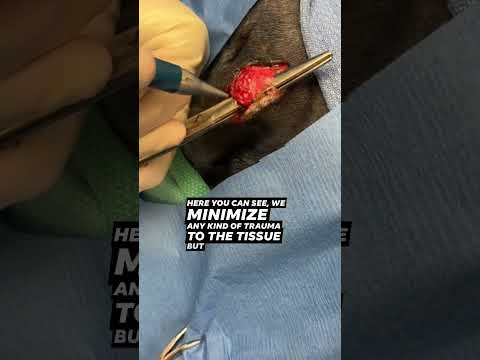
So, picture this: you’re at the park with your dog, and suddenly, you notice a weird bump on their skin. It’s like a mini volcano just chilling there. At first, it might freak you out a bit. “Is my pup turning into a monster?” you think. Well, not exactly!
What you’ve spotted could be one of those pesky sebaceous cysts. They’re surprisingly common in our furry friends. Like little pouches of goo that pop up here and there, and trust me, they usually aren’t anything to sweat over.
Now, I know what you’re thinking: “What even are these things?” Well, it turns out there’s a lot more going on beneath the surface—literally! A dive into cytology gives us some pretty neat insights into these cysts and why they occur. So let’s unpack this fascinating (and slightly squishy) topic together!
Visual Characteristics of Sebaceous Cysts: Insights from Cytological Analysis
Ever seen a little bump on your dog’s skin? Sometimes, those are called sebaceous cysts. They aren’t dangerous, but they can be pretty annoying for your furry friend. Let’s chat about what makes these cysts tick—particularly from a cytological perspective.
Cytology is basically the study of cells and their structures. When we look at sebaceous cysts under the microscope, we get some cool insights about what they are and how they behave. You see, these cysts form when hair follicles or sebaceous glands (those are the ones that make oil for the skin) get blocked. So, the thing is, when we analyze them cytologically, we notice some key visual characteristics.
One major aspect is the cell composition. Most of the time, you’ll find squamous epithelial cells lining these cysts. These cells are flat and scale-like and have this protective role in your dog’s skin. But sometimes you may also spot inflammatory cells. Inflammation can occur due to infection or irritation; it’s like your dog’s body saying “Hey! Something’s not right here!”
Another important detail? The fluid inside those cysts. It’s often thick and cheesy-looking—yep, that description is as tasty as it sounds! Cytologically, this fluid contains keratin flakes (that’s a protein found in hair and nails) along with dead skin cells. Can you imagine looking at that under a microscope? It might not be a gourmet meal but sure gives us lots of insight!
Now let’s talk about the appearance of cyst walls. When analyzed, these walls can show varying degrees of thickness and cellularity based on factors like inflammation or whether there’s been any rupture or breakdown occurring in the area. Seriously! If there’s inflammation going on around a sebaceous cyst, it can look different than if it’s just hanging out without causing any fuss.
If you ever have to deal with these pesky bumps on your dog’s skin—and trust me, many pet owners do—understanding these visual characteristics can help you keep an eye on whether things are getting better or worse. For example:
- If a cyst suddenly changes color or starts to ooze stuff that looks suspicious, that might be time to call your vet.
- If it’s just chilling there but looks pretty normal otherwise? Maybe nothing to worry about.
So yeah! Watching for changes is super important because while most sebaceous cysts don’t cause problems—they’re basically benign lumps—they can become inflamed or infected sometimes.
Honestly though—getting familiar with what these things look like inside helps demystify them. If you ever feel uncertain about one on your doggo’s skin—or if it seems irritated—it never hurts to have someone check it out! Just knowing what’s going on beneath those cute fuzzy layers can turn your worry into understanding—and that’s always better than panicking over something unknown!
Understanding the Causes of Sebaceous Cysts in Dogs: Insights from Veterinary Dermatology
Have you ever noticed a little bump on your dog’s skin? It might be a sebaceous cyst. These things can look a bit scary, but they’re usually harmless. Let’s break down what these cysts are and why they happen.
First off, a sebaceous cyst is essentially a pocket of fluid or semi-solid material that forms under the skin. They develop when the sebaceous gland, which produces oil to keep the skin and fur healthy, becomes blocked. Think of it like a clogged drain—when the oil can’t escape, it builds up and forms a cyst.
But what causes that blockage? Well, there could be several reasons:
- Genetics: Some dogs are just predisposed to get these suckers. Breeds like Cocker Spaniels, Bichon Frises, and Poodles seem to get them more often than others.
- Skin irritation: If your pup has been scratching or biting at their skin due to allergies or other irritants, it can lead to blockages and cyst formation. Imagine if you kept poking at an area on your skin; eventually, it’s gonna react!
- Infections: Sometimes bacteria can cause inflammation in the glands, which leads to cysts forming. Just like an infection can give you a pimple, it can do the same for your dog.
- Aging: As dogs get older, their skin’s ability to shed dead cells and oil can slow down. This might lead to more frequent cyst formations as their bodies change over time.
You know, I’ve seen this firsthand with my friend’s Golden Retriever named Max. He had this little bump that his owner thought was serious—but after visiting the vet, they discovered it was just a benign sebaceous cyst! They watched it for a bit since Max wasn’t bothered by it at all.
If you’re worried about whether your dog has one of these cysts or something more serious (like tumors), don’t hesitate to take them in for a check-up. Vets often use cytology, which is basically studying those cells taken from the lump under a microscope—to determine what’s going on. It’s pretty cool how much info they can get just from looking at those tiny cells!
The good news is that most sebaceous cysts don’t need any treatment unless they start causing discomfort or get infected. In such cases, vets may recommend draining them or even removing them entirely if necessary. Just think of it as decluttering your dog’s skin—like cleaning out an old junk drawer! But keep in mind that individual cases vary; what works for one pup may not be right for another.
If you find yourself dealing with one of these on your dog, remember: knowledge is power! You got this!
Identifying Cancerous Cysts in Dogs: Key Signs and Diagnostic Methods
So, if you’ve ever noticed a lump on your dog that made you go, “What’s that?” you’re not alone. Dogs can develop various types of lumps and bumps, some of which might be more concerning than others. One common type is a cyst. But here we’ll focus on identifying **cancerous cysts** in dogs, specifically the signs to look out for and how vets diagnose them.
First things first: what’s a **cyst**? Basically, it’s a sac filled with fluid or semi-solid material. In many cases, cysts are benign, like those pesky sebaceous cysts. These are often caused by blocked glands and don’t typically cause harm. However, sometimes lumps can be cancerous.
When you’re checking your furry friend for unusual bumps, keep an eye out for these key signs:
- Size changes: If the lump grows quickly or changes size dramatically over time.
- Pain or discomfort: If your pup seems to be in pain when the lump is touched or shows other signs of discomfort.
- Irritation: Redness or inflammation around the lump may suggest something more serious.
- Discharge: Any pus or blood from the lump is definitely something to discuss with your vet.
- Aging: Older dogs are generally at higher risk for developing cancerous lumps.
Oh, and I remember this one time my friend’s dog had a little bump that seemed innocent enough. But she noticed it was getting bigger pretty fast! Turns out it was a malignant tumor—so yeah, always trust your gut feeling!
Now let’s get into how vets figure this stuff out. When you take your pup to the vet because of a suspicious lump, they’ll likely start with a physical examination. This involves feeling around the area and getting some background info from you.
If they think it’s worth checking further (which usually means they see something concerning), they might suggest a few diagnostic methods:
- Cytology: This involves taking a small sample of cells from the lump using a fine needle. The vet will then look at these cells under a microscope to check for cancerous traits.
- X-rays: To see if there are any underlying issues like bone involvement or metastasis (spread) elsewhere in the body.
- Biospy: Sometimes they might remove part or all of the cyst/tumor for more detailed analysis.
It’s pretty amazing how much we can learn through these tests! For instance, when cytology shows atypical cells, it often raises red flags.
Sometimes those sebaceous cysts we mentioned earlier can look like cancerous lumps to an untrained eye. That’s why having an expert take a look is super important.
So what can you do if you find something suspicious? Regular check-ups are key! Being proactive about your dog’s health means that even tiny changes will be caught early on. If anything looks off—no matter how small—don’t hesitate to call up your veterinarian.
All said and done, recognize those early signs and trust your instincts when it comes to your doggie’s health. You know them better than anyone else! And while most lumps may turn out to be harmless, it’s always best to err on the side of caution.
So, let’s talk about something that might sound a bit technical but is actually pretty interesting: sebaceous cysts in dogs. If you’ve ever had a pet, you might have noticed these little lumps on their skin. They can be kind of alarming at first, especially if you’re not sure what they are. I remember when my buddy Charlie, a Golden Retriever with a heart of gold, developed one. We were both pretty freaked out!
So, what is going on under the surface of these cysts? Well, they’re formed when sebaceous glands—those tiny oil-producing structures in the skin—get blocked. Think of them as little factories that help keep your dog’s coat healthy and shiny by producing oil. When they block up due to dead cells or other debris, it can lead to the formation of a cyst.
Now here’s where cytology comes in—this is just a fancy word for studying cells under a microscope. If you see a lump on your dog and take them to the vet, they might do a fine-needle aspirate to collect some cells from that area and look at them closely. This helps identify if it’s actually a sebaceous cyst or maybe something else more concerning.
Cytological insights are really useful here. The vet can see what type of cells are present in that lump; mostly epithelial cells from the sebaceous glands and possibly some inflammatory cells if it’s irritated or infected. Seeing this under the microscope can give you and your vet peace of mind—you know exactly what’s happening.
But here’s the catch: while these cysts are usually harmless and don’t cause pain (most dogs just ignore them), sometimes they can become infected or grow larger than we’d like. Keeping an eye on them is key! If Charlie’s cyst had gotten bigger or redder, I would’ve rushed him back to the vet without batting an eyelash.
In essence, understanding sebaceous cysts through cytology not only helps diagnose but also makes pet owners feel better about their furry companions’ health. And honestly? That little extra knowledge makes all the difference when you’re worrying about whether your pup is okay or not—because let’s face it, our pets mean everything!