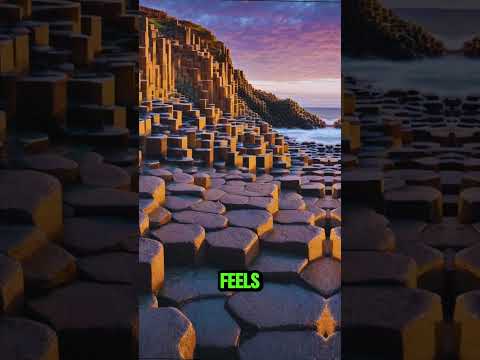
Okay, so picture this: you’re out hiking, and you trip over a rock. Instead of cursing under your breath, you think, “Wow, I wonder how old this thing is!” Like, who knew tripping could spark such curiosity?
Geology and Earth science are kind of like that. They’re all about understanding our planet—from the tiniest pebble to massive mountains. Seriously, there’s a whole story behind every rock and wrinkle in the Earth’s crust.
You’d be amazed at how these two fields connect us with nature. They help us appreciate the beauty of everything around us. It’s not just about textbooks and boring lectures; it’s about exploring the wild world we live in!
So, let’s get into it! There’s so much to uncover together!
Exploring the Interconnection Between Geology and Earth Science: A Comprehensive Overview
Exploring the connection between geology and earth science is like piecing together a gigantic puzzle about our planet. You know, when you’re out hiking or just chilling outside? Think of all those rocks, soil, and landscapes around you. That’s geology in action! It’s all about studying the solid Earth—rocks, minerals, and the processes that shape them.
Earth science is a broader umbrella that covers various aspects of our planet. Basically, it includes geology but also dives into aspects like meteorology (weather), oceanography (oceans), and even astronomy (space stuff). So when we talk about their interconnection, it’s like seeing how these different fields work together to give us a comprehensive view of Earth.
Now, let’s break it down a bit more:
- Understanding Earth’s Processes: Geology helps us comprehend processes like volcanism and erosion. For example, those epic volcano eruptions we see on documentaries? They’re caused by geological activities deep within Earth.
- Resource Exploration: Geologists play a big role in discovering natural resources. This includes everything from fossil fuels to minerals. Without this knowledge, we’d be staring at some pretty bleak energy sources!
- Natural Hazards: You’ve probably heard about earthquakes or tsunamis on the news. Geology studies these risks and can help predict where and when they might happen. This knowledge can save lives!
- Ecosystems Interaction: Soil composition impacts what kind of plants can grow in an area. This is where geology meets biology! Healthy soils lead to thriving ecosystems.
I remember once hiking in a national park with my friends. We stumbled upon some cool rock formations that seemed totally out of place, almost like sculptures made by nature itself. Our guide explained how these rocks had been shaped over millions of years through erosion and sedimentation processes—that’s geology at work showing off its history!
Another thing to think about: climate change! Earth science helps us understand how changes in temperature affect geological features over time. Glaciers melting? Yeah, that’s a geological issue now too as it reshapes landscapes.
In short, geology gives earth science its grounding—literally! It connects past events with current conditions while helping predict future changes to our environment. So next time you’re outside appreciating nature’s beauty or even just kicking back at home watching something about our planet’s secrets, remember: those layers of rock beneath your feet are telling stories that shape our world every day!
Exploring Career Paths: Transitioning from a Geology Degree to Environmental Science
Okay, so you’ve got a degree in geology, and now you’re thinking about making the jump into environmental science. That’s a pretty cool transition! It’s like moving from studying rocks to looking at how Earth interacts with everything else—water, air, plants, animals, and us. Let’s break it down.
First off, geology gives you a solid foundation. You know about Earth’s processes, minerals, and what makes those beautiful landscapes you see on hikes. This knowledge is super valuable in environmental science because understanding the Earth’s materials helps when we talk about issues like soil health or groundwater contamination.
So, what exactly can you do with that geology background? Here are some paths:
- Environmental Consulting: Many companies look for folks who can assess land for contamination or potential hazards. Your geology skills come in handy here!
- Sustainability Coordinator: You could work with organizations to develop programs that focus on reducing their environmental impact. Hey, who doesn’t want to save the planet?
- Researcher: If you enjoy digging deep (pun intended), consider joining research teams studying climate change impacts on geological formations.
- Policy Maker: Ever thought about shaping laws around land use? Your background allows you to understand the scientific side while figuring out how to make policies that protect our environment.
The shift isn’t just about job titles; it’s also about widening your skill set. You might want to take some courses on ecology or hydrology. This not only beefs up your resume but also gives you more context when tackling environmental issues. Plus, it shows employers you’re committed!
You know what else is great? Networking! Start connecting with pros in environmental science through workshops or conferences. Sometimes jobs come from just chatting with someone who needs a person like you.
An emotional nugget here: I remember meeting someone at a conference who was originally a geologist. She told me how she used her skills to help clean up contaminated sites near her hometown—a place where her childhood friends still lived. It was heartwarming and inspiring; she felt she was really making a difference.
Your journey from geology to environmental science could lead not just to personal growth but an opportunity to impact communities positively as well! The world needs passionate people like you who understand both the rocks beneath us and how they fit into our larger environment.
In summary, transitioning from a geology degree to environmental science is totally doable and can be super fulfilling! Just keep learning and stay curious—there’s so much out there waiting for you!
Integrating Geology and Earth Science: A Comprehensive PDF Guide Bridging Knowledge and Nature
You know, geology and earth science are like two peas in a pod, working together to help us understand our planet. So, let’s break down how they connect and why it’s cool to know about them both.
Geology is basically the study of the Earth’s physical structure and substances. This includes rocks, minerals, and even the processes that shape our landscapes over millions of years. It’s got a real story to tell about how mountains rise and rivers carve valleys.
On the flip side, earth science covers a broader spectrum. It includes geology but also dives into things like meteorology (you know, the weather), oceanography (the study of oceans), and even environmental science. Together, they give us a more complete picture of how everything on Earth interacts.
So imagine standing in front of a majestic mountain range. That rock formation? Geologists would tell you all about its age and how it formed through tectonic activity. But then an earth scientist might explain how climate change affects those mountains or how rain runs off them into nearby rivers. See what I mean?
- The Rock Cycle: This is where geology shines! You’ve got igneous rocks that form from cooled magma, sedimentary rocks made from compacted sediments, and metamorphic rocks created under heat and pressure. Understanding these processes helps us figure out where natural resources might be hidden below ground.
- Erosion: Both fields examine erosion but from different angles. Geologists might look at rock layers being worn down over time, while earth scientists could focus on how weather patterns can accelerate this process.
- Natural Disasters: Think earthquakes or volcanic eruptions—geologys digs into what makes these happen underneath our feet. Earth scientists consider the aftermath: predicting hazards, studying impacts on ecosystems, and planning recovery efforts.
This integration isn’t just academic; it has real-world implications too! When there’s a natural disaster like an earthquake or flood, understanding both geology and earth science means better preparedness. You’re talking about saving lives by mapping fault lines or predicting flooding events based on geological data!
I remember once going hiking with some friends in a national park. As we walked by cliffs formed millions of years ago, our buddy who studied geology kept pointing out layers of rock as if they were pages in a book! It was like he was telling stories written in stone—how cool is that?
The thing is that when you combine geology with earth science, you get this holistic view of nature that’s super valuable not just for scientists but for everyone who lives on this planet.
If you think about climate issues today or resource management tomorrow—those conversations are better when informed by both fields working hand-in-hand!
You know, there’s something really mesmerizing about geology and earth science. I mean, think about it: we live on this massive rock, and yet we often just take it for granted. It’s like that friend who always shows up but doesn’t get enough credit. Whether you’re hiking in the mountains or strolling along the beach, the landscape around you is telling a story—a story of time, elements, and forces beyond our imagination.
I remember a trip I took to the Grand Canyon. Standing there, looking down at those layers of rock, each one representing millions of years of history felt surreal. Seriously, I could almost hear the echo of ancient rivers and volcanoes in my mind! It made me realize how connected everything is; every pebble can tell you something if you just know how to listen. Geology is not just about rocks; it’s about understanding our planet’s past to appreciate its present and future.
Earth science ties all that together—it’s like a superhero team-up! You’ve got geology dealing with rocks and soil, then there’s meteorology looking after weather patterns. Don’t forget oceanography, which dives into what’s going on beneath the waves. And all these branches are deeply intertwined. A simple storm can reshape coastlines or trigger landslides in mountainous areas.
But here’s where it gets interesting: as we learn more about these processes, we’re also learning how fragile our planet really is. Climate change? That’s a direct consequence of how we’ve interacted with nature over centuries. It’s kind of scary when you think about it! Yet knowing how the earth works gives us tools to tackle these issues better—like deciphering a code so we can act in ways that protect our home.
So whenever you’re outdoors—whether it’s planting a tree or enjoying a hike—remember you’re part of this grand tapestry formed through time and circumstances. It might seem little at first glance, but each action contributes to the overall health of our planet. You matter; your relationship with nature matters too!
In essence, bridging knowledge with nature through geology and earth science isn’t just an academic pursuit—it’s an invitation to connect more meaningfully with our world. So next time you’re out there soaking it all in, take a moment to appreciate not just what you see but what lies beneath your feet too!