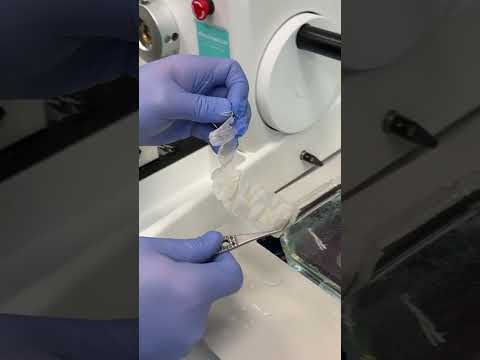
You know what’s funny? I always thought histopathology was just a fancy word for doctors analyzing weird stuff under microscopes. Turns out, it’s way cooler than that!
Picture this: tiny slices of tissue zoomed in on, revealing secrets about diseases that we could hardly see with the naked eye. Crazy, right?
Over the years, lab techniques have leveled up big time. Think about it—advancements in technology and innovative methods have completely changed how we look at tissues and cells. This isn’t just science; it’s a high-tech detective story!
I mean, who wouldn’t want to be a part of that? So grab your lab coat (or maybe not) because we’re diving into some seriously exciting stuff happening in the world of histopathology.
Advancements in Automation for Histopathology: A Comprehensive PDF Guide
Histopathology is a field that combines pathology and microscopy to analyze tissues and cells, helping diagnose diseases like cancer. Recently, automation has been making waves in histopathology labs, changing how things work. Let’s break it down, shall we?
1. The Shift to Automation
Laboratories have been traditionally reliant on skilled technicians to prepare slides and examine samples. But with automation, we can speed up processes and reduce human error. Imagine machines taking over the repetitive tasks—like staining slides or scanning images—while professionals focus on making diagnoses.
2. Digital Pathology
It’s like switching from vinyl records to streaming music! Digital pathology involves converting glass slides into high-resolution digital images. This way, pathologists can share and evaluate findings remotely. You can even get a second opinion from an expert halfway around the world without sending physical samples.
3. AI and Machine Learning
These technologies are shaking things up big time! AI algorithms can learn from thousands of images to identify patterns that might be hard for the human eye to catch. For example, they can help detect cancerous cells faster than ever before. The trick is training the AI with diverse data so it learns effectively.
4. Quality Control and Consistency
Human errors? Less of a problem now! Automated systems ensure that each sample gets treated in exactly the same way every time—no variations in staining or preparation, which means more reliable results.
5. Workflow Efficiency
Automation speeds things up across the board—processing times go down while throughput goes up! Think about it: labs can handle more samples in less time without compromising quality.
Anecdote Time!
A friend who works in a lab once shared how they spent hours manually preparing samples after long nights at work… It was exhausting! Now, with some automated systems in place, she spends those hours analyzing results instead of grinding through prep work—and is much happier for it!
The Bottom Line?
Advancements in automation for histopathology are transforming how we diagnose diseases by enhancing efficiency and accuracy while allowing pathologists to do what they do best—interpret data rather than get bogged down by repetitive tasks.
In short: with technology on our side, histopathology isn’t just moving forward; it’s sprinting ahead! And that’s something worth getting excited about!
Revolutionizing Pathology: The Impact of Cutting-Edge Technology and Automation in Modern Laboratories
In the world of medicine, pathology is like the detective work behind what’s going on inside our bodies. It’s all about diagnosing diseases by examining tissues and bodily fluids. And guess what? Technology is shaking things up in this field big time!
Think about it: just a few decades ago, when physicians wanted to understand a patient’s condition, they relied mostly on microscopes and their own keen eyes. But these days? The game has totally changed. With cutting-edge technology and automation, modern pathology labs are supercharged.
Automation plays a crucial role here. Imagine machines that can prepare slides faster than you can say “biopsy.” These automated systems not only speed up the process but also reduce human errors. Like, seriously, who wants to miss something important because they were tired after a long day?
Another cool advancement is the use of artificial intelligence (AI). AI tools can analyze slides with incredible precision. They help pathologists spot abnormalities or cancer cells that might be tough for the human eye to catch. It’s like having an extra set of eyes that never get tired or distracted! Some studies even show that AI systems can match or exceed the diagnostic accuracy of experienced pathologists. That’s pretty mind-blowing!
And then there are digital pathology platforms. They let you scan slides and view them on computers instead of peering through a microscope all day long. This means pathologists can collaborate more easily—even if they’re on opposite sides of the globe! Think about discussing a case with colleagues in real-time without being in the same room—technology just made teamwork way cooler.
This automation and tech push not only speeds things up but also helps with standardizing results. In some cases, different clinics have different methods of diagnosing diseases, creating inconsistencies in patient care. But with advanced techniques providing uniformity in test results across labs? That means better treatment plans for everyone involved.
Now let’s not forget about sample tracking systems. With barcodes and advanced databases, every sample can be tracked precisely from start to finish. You won’t believe how much easier this makes it for labs dealing with hundreds or thousands of samples daily.
In conclusion, these advancements are revolutionizing pathology like nobody’s business! It’s not just about making things faster; it’s about improving accuracy and consistency in diagnoses while also enhancing collaboration among professionals worldwide. So next time you hear about a pathology lab utilizing these technologies, know that they’re not just working hard—they’re working smart too!
Exploring the Role of Automation in Histopathology: Advances, Applications, and Future Perspectives
Exploring the role of automation in histopathology is pretty exciting, honestly. So, let’s break down what automation is doing in this field and why it matters.
First off, **histopathology** is all about looking at tissues under a microscope to figure out if there are any diseases, mainly cancers. Traditionally, this was super time-consuming. Pathologists had to manually prepare and analyze samples, which can lead to human error—like missing something important or taking too long to deliver results.
Now, enter **automation**! This is where machines come into play. With automation, we’re talking about technologies that can handle tasks like slide preparation, staining, and even scanning slides for analysis. This means pathologists can focus more on analyzing the actual images rather than spending loads of time on repetitive tasks.
Here’s a quick look at some cool advances:
- Digital Imaging: Automated slide scanners create high-resolution digital images of tissue samples. This makes it easier to share findings with other doctors or specialists.
- Artificial Intelligence (AI): AI tools are being developed to help analyze these images. They can recognize patterns that might be too subtle for the human eye!
- Robotics: Robots are now used for high-throughput sample processing. They speed up stuff like staining or embedding tissues into blocks.
Imagine walking into a lab where robots are prepping samples and AI software is suggesting possible diagnoses based on millions of previous cases. It’s wild but also seriously beneficial for patient care.
But hey, while all these advancements sound great—and they are—they also come with challenges. For one thing, there’s always a bit of worry about how much we should rely on machines vs humans. What if a robot misses something crucial? And there’s the whole training part; pathologists need to understand how these technologies work to trust them fully.
Looking toward the future, it seems bright! More innovations might include better integration of AI with pathology practices and ways to ensure those machines keep learning from past data—sorta like how you learn from your mistakes!
In sum, automation in histopathology is changing things up big time! It’s all about making processes faster and more accurate while helping experts do what they do best: make informed decisions for patient care. So yeah, as technology keeps rolling forward, expect even more exciting developments in this field!
So, histopathology, huh? It’s one of those fields that sounds super technical but is actually pretty fascinating. You see, it’s all about understanding diseases by looking at tissues under a microscope. Imagine, just an itty-bitty slice of your body can tell you so much about what’s going on inside!
I remember my first time peering through a microscope in school, and I was struck—like, seriously amazed—watching the colorful cells dance around. It felt like entering a new universe right there on the slide! That’s kinda what pathologists do every day. They’re not just looking at boring old tissue; they’re uncovering stories about health and disease.
Now, let’s chat about how things have changed in this field recently. You know, it’s not just about slicing and dicing anymore. New techniques are popping up all over the place! Think of digital pathology—sounds fancy, right? Basically, it involves taking high-resolution images of tissue samples and analyzing them through software instead of just relying on our good ol’ eyes. This means quicker diagnoses and maybe even less room for human error. Pretty smart!
And then there are advancements like immunohistochemistry, which helps identify specific proteins in tissues. This is a game-changer when it comes to cancer diagnosis because it can show exactly what kind of tumor you’re dealing with. It’s like having a secret decoder ring for your cells! Who wouldn’t want that?
But it doesn’t stop there! The rise of artificial intelligence is also making waves in histopathology labs. AI can help pathologists by flagging unusual patterns or suggesting potential diagnoses based on vast amounts of data. Sure, some folks might get nervous about machines taking over jobs, but honestly? It feels more like having a supportive sidekick than a rival!
However, with all these cool innovations comes the need for great training and education for those working in labs—it’s crucial to keep up with the tech while also understanding the fundamentals of histopathology itself.
So yeah, reflecting on all these advancements makes me excited for the future. Every breakthrough offers hope for better health outcomes and quicker diagnoses; they each have potential to really change lives.
And let’s be real—ultimately? It’s all about helping people get better, you know? Whether it’s diagnosing a rare condition or monitoring treatment response, these innovations let us peek deeper into our bodies’ mysteries while hopefully making life easier for both patients and healthcare providers alike!