You know what’s wild? Your airways are like a super intricate highway system, and you’re cruising through it every time you take a breath. Seriously!
Imagine if your bronchioles had little traffic lights to guide the air—how cool would that be? But, unfortunately, they don’t. Instead, they just rely on smooth muscle and elastic tissue to keep things flowing.
Breathing is something we often take for granted. We do it without even thinking about it—until we can’t. That’s when you really start to appreciate the whole setup of your respiratory system.
Your airways are not just tubes for air; they do all sorts of amazing things. They filter out gunk, warm up chilly air, and even help with speech! So let’s dive into the structure and function of these unsung heroes of our bodies—you’ll be surprised at how fascinating they really are!
Comprehensive Overview of Lower Airway Anatomy: Insights for Biomedical Research and Clinical Applications
The human airway system is like a complex highway for air traveling to and from our lungs. It starts in the nose or mouth and runs all the way down to the tiny air sacs in our lungs called alveoli. Let’s break down the lower airway anatomy, which is super important for both biomedical research and clinical applications.
First up, we have the trachea, often referred to as the windpipe. It’s a sturdy tube that connects your throat (or pharynx) to your bronchi, which are two branches leading into each lung. You might picture it as a large straw that keeps your airway open. Inside, it’s lined with cells that help trap dust and germs, kind of like a filter.
Now, go a bit deeper and you’ll find the *bronchi*. They’re basically two main tubes branching off from the trachea—one goes into each lung. From there, they further divide into smaller branches called bronchioles. Imagine them like tree branches splitting off from the trunk. This network gets progressively smaller, ensuring air reaches every nook and cranny of your lungs.
The bronchioles are lined with smooth muscle that can tighten or relax. This is crucial because it helps control airflow; when you’re exercising or feeling short of breath, these muscles adjust how much air you get in.
At the end of these tiny bronchioles are those essential little bubbles—the alveoli. These grape-like structures are where all the magic happens; this is where oxygen flows into your blood while carbon dioxide leaves your blood to be exhaled. It’s like a super efficient gas exchange station! Each lung has about 300 million alveoli—mind-blowing, right?
Now let’s talk about why this matters in research and medicine. Understanding lower airway anatomy can lead to breakthroughs in treating conditions like asthma or COPD (chronic obstructive pulmonary disease). For instance:
- Anatomical studies: Help researchers explore how changes in structure affect diseases.
- Drug delivery systems: By understanding how airways work, scientists can create targeted therapies that deliver medication directly where it’s needed.
- Surgical techniques
- Tissue regeneration
: Knowledge of airway anatomy assists surgeons during procedures like tracheostomy.
: In cases of severe injury or disease, researchers are looking for ways to regenerate damaged airway tissues.
Take asthma as an example—a condition where airways can become inflamed and constricted. Knowing exactly how those little bronchioles work lets doctors better understand what’s going wrong during an asthma attack. This leads to more effective treatments tailored specifically for asthma sufferers.
So yeah, the anatomy of our lower airways isn’t just some dry stuff found in textbooks; it plays a huge role in health outcomes! Whether we’re studying diseases or developing new therapies, understanding how everything fits together makes all the difference—like connecting dots on an intricate map leading us toward better health solutions!
Exploring the Structure of the Respiratory System: Key Components and Functions in Human Biology
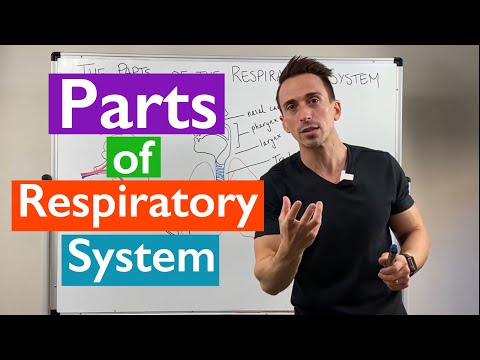
So, let’s chat about the respiratory system, which is pretty fascinating when you start really thinking about it. It’s like this intricate network that helps us breathe, and without it, well, things would get a bit dicey.
At the very top of the system are your nostrils. These bad boys aren’t just for looks; they serve as the entry point for air. When you inhale, air travels through these openings and into your nasal cavity. Here’s a fun fact: that mucous lining in your nose doesn’t just make you sneeze. It traps dust and other particles so that your lungs don’t have to deal with them later.
From there, the air moves down into the pharynx, which is basically a fancy term for your throat. This part of the body has to multitask! It not only lets air through but also handles food when you swallow. Crazy how things work together, right?
Next up is the larynx, or as most of us call it, the voice box. This area contains your vocal cords – those little folds that vibrate and produce sound when you talk or belt out your favorite songs in the shower! But besides all that musical fun, it also acts as a protective gatekeeper to prevent food from going into your windpipe.
Then we hit the trachea, or windpipe—a tube that’s sort of like a highway for air heading towards your lungs. It’s lined with cilia (tiny hair-like structures) and mucus to help filter out any unwanted particles before they make their way deeper into our respiratory system.
Now here comes the biggie: once you pass through the trachea, it divides into two main branches called bronchi. Each bronchus leads to one lung—like two branches off a tree! Inside each lung, these bronchi further split into smaller tubes called bronchioles. It’s like those creepy-cool trees at Halloween where they break off into tons of tiny twigs!
At the end of those bronchioles are tiny air sacs called alveoli. Here’s where all the magic happens! These little sacs are so thin they allow oxygen to pass directly into your blood while letting carbon dioxide exit—like an exchange program for gasses! The more alveoli we have (and trust me, there are about 300 million), the more efficient our breathing becomes.
The entire setup is wrapped in this protective layer known as pleura, which cushions and lubricates our lungs as they expand and contract during breathing. Seriously, when you think about how much work goes on just so we can pump oxygen into our bodies—it’s mind-blowing!
In summary:
- Your respiratory system starts in your nostrils.
- The pharynx connects air to your larynx.
- The trachea serves as an airway highway.
- Your lungs host bronchi and bronchioles leading down to tiny alveoli.
- The pleura protects everything while you breathe!
So yeah, every time you take a deep breath or even just breathe normally while scrolling through social media or chatting with friends, remember all this incredible anatomy working tirelessly behind the scenes! Isn’t biology such an awesome thing?
Comprehensive Guide to Upper and Lower Airway Anatomy in Human Physiology
The human airway is like this complex highway system. It starts from the nose and mouth, going all the way down to the lungs. But it’s not just a straight shot; there are twists and turns, different lanes, and checkpoints. Understanding this system helps us appreciate how we breathe and why it’s so vital for our health.
Let’s break it down into two main sections: **upper airway** and **lower airway**.
Upper Airway
The upper airway includes everything above the vocal cords. This part is a bit like your body’s entryway.
- Nose and Nasal Cavity: Your nose isn’t just for smelling. It warms, moistens, and filters the air you breathe in. Picture tiny hairs (cilia) catching dust or pollen—pretty cool, huh?
- Pharynx: This is a muscular tube that connects your nasal cavity to your larynx (voice box) and esophagus (food pipe). It has three parts: nasopharynx (behind the nose), oropharynx (back of the throat), and laryngopharynx (where it splits into airway and food pipe). Think of it as an intersection!
- Larynx: Often called the voice box, it houses your vocal cords. The larynx is essential for breathing because when you inhale, it opens up, allowing air to flow into your lower airway.
Now here’s where things get a little emotional; imagine a time when you were laughing so hard you almost choked on something! That little slip-up is a classic reminder of how these structures work together. The larynx closes tightly when swallowing to prevent food from entering the trachea—like a door shutting on unwanted guests!
Lower Airway
Once air passes through the upper structures, it enters the lower airway—all those parts that lead straight into your lungs.
- Trachea: Also known as the windpipe, this tube runs down from your larynx to your bronchi. It’s lined with cilia that help push mucus upwards to keep things clean.
- Bronchi: At its base, the trachea branches into two major bronchi that lead into each lung—like main roads splitting off into smaller streets.
- Bronchioles: These are tiny branches that come off from each bronchus—they keep branching until they become very small. Eventually, they end at alveoli!
- Alveoli: These are tiny air sacs where oxygen actually gets exchanged with carbon dioxide in your blood. They’re like little balloons! The oxygen you inhale fills them up while carbon dioxide leaves.
It’s magical to think about this process! Like when you’re out running or playing sports—your body works tirelessly without you even thinking about it!
So there you have it—an overview of both upper and lower airways in our bodies! Each part plays a huge role in keeping us alive and well. When we understand how these structures function together in harmony, we gain more respect for our bodies’ capabilities—and hey, maybe remember to take care of our respiratory health while we’re at it!
You know, the human airway is kinda like this super complex highway system that keeps air flowing in and out of our lungs. It’s pretty mind-blowing when you think about it! The structure is fascinating, with everything from your nose to your trachea and all those tiny branches in between. Each part has its own job, like a team working together to keep us breathing smoothly.
Let’s start at the top. When you breathe in through your nose, air doesn’t just rush straight to your lungs. Nope! First, it goes through these little passages where it gets filtered and warmed up. You gotta love how nature thought of that! If you’ve ever been outside on a cold day and felt that sharp chill in your chest, well, that’s because the air wasn’t warmed enough before hitting your lungs. Crazy how something so simple can have such an immediate impact on how we feel.
I remember a time when I caught a nasty cold, right? It was brutal; I could barely breathe because my airways were all stuffed up. That’s when I really grasped how vital those pathways are for our health. We often take them for granted until something goes wrong!
Moving down from the nose, we hit the pharynx and larynx—basically fancy names for throat parts. The pharynx is where both air and food pass; talk about multitasking! The larynx is what helps you speak, too. Ever tried talking while you’re all congested? Not an easy feat!
Then there’s the trachea—the big tube that splits into two bronchi leading to each lung. This part’s lined with mucus and tiny hairs called cilia that sweep away dust and germs like miniature road workers keeping the airway clear. It’s wild how such tiny things can do such heavy lifting!
Now think about those bronchi branches; they keep splitting off until they reach these tiny sacs called alveoli—like little balloons filled with air! This is where all the magic happens: oxygen from the air swaps places with carbon dioxide in your blood. That’s what keeps us going! Without a proper airway structure doing its job smoothly, we wouldn’t be able to breathe as effortlessly as we do daily.
So yeah, while we might not often think of our airway anatomy unless it’s causing trouble (like during a cold or allergy season), it’s truly remarkable how it all works together seamlessly under normal conditions. Staying healthy means taking care of this intricate system we often overlook—like remembering to stay hydrated or avoiding irritants whenever possible.
It’s pretty amazing how something so fundamental to life can also be so intricate and delicate at the same time!