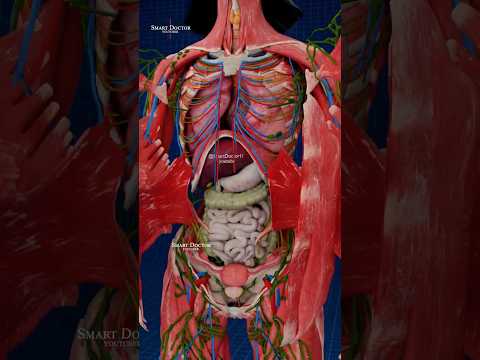
You ever seen those wild anatomy illustrations that look like they could be in a sci-fi movie? I mean, the ones where the human body is laid out like a puzzle? So cool, right?
These artworks do more than just catch your eye. They’re like little windows into how our bodies really work. Seriously, it’s almost magical how someone can draw a heart and make it look like it’s actually beating on the page.
But here’s the thing: getting people excited about human anatomy isn’t always easy. That’s where innovative illustrations come in. They’re not just pretty pictures; they help us grasp complex stuff way better.
Imagine trying to explain how your respiratory system works without pulling out a diagram. Yikes! Those drawings can turn dry facts into something relatable. It’s science—and art—coming together for a purpose.
So, let’s chat about some of these fascinating illustrations and see why they’re so important for understanding our own bodies!
Revolutionary Human Anatomy Illustrations: Enhancing Scientific Outreach and Education
So, let’s chat about human anatomy illustrations. You know, those detailed drawings and digital models of our insides that we see in textbooks or on science websites? Yeah, those are a big deal for education and outreach.
First off, visual learning is super powerful. Think about how much easier it is to remember something when you can actually see it. Illustrations allow us to **visualize complex structures**, like the heart’s chambers or the way muscles connect to bones.
Now, here’s where it gets interesting. Traditional anatomy illustrations were often rigid and kind of outdated. They didn’t really engage people. But with modern technology, artists and scientists have teamed up to create interactive 3D models. These models let you rotate, zoom in, and sometimes even peel away layers to explore what’s underneath the surface. Isn’t that cool? It’s like having a mini operating room right at your fingertips!
Moreover, diversity in illustrations is crucial. Not everyone learns the same way. Some people might get things faster through pictures than through text alone. For example:
- Color coding: Using different colors to highlight blood vessels versus nerves can make it clearer when studying.
- Anatomical variations: Showing different body types or conditions helps demystify anatomy for everyone.
- Real-life context: Illustrations that incorporate anatomy within real-life scenarios help learners understand how everything works together.
Now, think about this: when I was in school, we had these flat diagrams that always felt so lifeless. But with these newer methods? There’s emotion behind them! They tell a story—a narrative of how our bodies function.
Also important is the role of technology in this mix. You’ve got apps and online platforms that use augmented reality (AR), seriously bridging the gap between theory and practice. Imagine holding your phone over an illustration and watching it come alive in 3D! That kinda makes learning fun!
Another aspect? The rise of social media has changed things too. Artists share their work online; they engage with audiences who might not traditionally dive into anatomy studies. It reaches out beyond just classrooms—people are learning for fun now!
But wait—there’s more! These advances also enhance research communication. When a study comes out explaining a new discovery about human cells or organs, having a top-notch illustration can make those findings more digestible for both specialists and the general public.
In short, revolutionary human anatomy illustrations aren’t just pretty pictures; they serve as essential tools for education and outreach. They improve understanding, connect with diverse audiences, and make science feel accessible—that’s what makes them so vital today!
Revolutionizing Scientific Outreach: Innovative Human Anatomy Illustrations in PDF Format
So, let’s chat about something super interesting—human anatomy illustrations. You know, these aren’t just pretty pictures; they’re like the backbone of scientific outreach nowadays. There’s been a shift towards using innovative illustrations in PDF format. Why? Because they make complex stuff a lot easier to understand and share, that’s why.
When I was in school, I remember staring at old anatomy textbooks. The illustrations were often kind of dull and hard to follow. Sometimes I’d get lost trying to figure out which part was what. But with today’s advances, that scenario is changing big time. Modern illustrations are vibrant, accurate, and super engaging.
- Accessibility: PDFs are easily accessible on all devices—from laptops to tablets—but honestly, they’re even more user-friendly than those heavy textbooks we used to lug around.
- Interactive Features: Some PDFs come with interactive elements like clickable layers that allow you to zoom in on specific organs or systems. It transforms learning into an exploration journey.
- Clear Labels: These new styles of illustration tend to have better labeling and color coding. Imagine being able to see the heart’s chambers in red and blue, making it so much easier to understand their function!
- Visual Learning: Many people are visual learners; seeing something can help you recall it way better than just reading it. Cool illustrations can make the difference between memorizing a term and actually grasping its significance.
- Community Sharing: With PDFs being easy files to share online, educators can distribute these illustrations more widely than before! This fosters collaboration among scientists and students alike.
Now think about this: if you’re a student trying to learn about the nervous system through boring drawings versus engaging graphics that literally pop off the page—well, no contest! Those animated versions explain things in context, showing how every little piece interacts.
What happens when amazing visuals meet technology? Well, we get resources that truly resonate. For instance, there are platforms where users can create their own custom anatomy charts based on their needs—like drawing your own connections between the brain functions and the body parts they control.
The shift towards these innovative illustrations isn’t just about aesthetics; it’s also got potential for broader implications in healthcare education as well as improving health literacy worldwide. Seriously! Educating communities about their bodies could lead to healthier choices all around.
In short, revolutionizing scientific outreach through innovative human anatomy illustrations in PDF format is not just a trend. It’s a game changer for learning and teaching biology or health sciences. Just think back to all those times you tried cramming info from pages packed with text and tiny images—you’d probably agree it’s time for something fresher! Is this new approach going to inspire future doctors? You bet!
Free Innovative Human Anatomy Illustrations for Enhancing Scientific Outreach
When we talk about **free innovative human anatomy illustrations**, we’re diving into a pretty cool way to help people understand our bodies. Seriously, these visuals can make a world of difference in how we share scientific knowledge. They’re not just pretty pictures—they’re essential tools for education.
One benefit is clarity. You know how some textbooks are filled with dense text and complicated diagrams? Well, illustrations can break that down. A clear image of the heart or lungs lets you see the organs as they actually are, which makes learning way more engaging.
Accessibility is another huge perk. When you find free resources online, it opens doors for schools and communities that might not have access to fancy materials. Places with tight budgets can still get their hands on high-quality illustrations, which helps level the playing field in education.
And let’s talk about creativity! Artists who specialize in anatomy bring a unique perspective to their work. They often blend art with science, creating visuals that draw people in. For example, instead of just showing what muscles look like, an artist might illustrate them in action—like someone lifting weights or reaching for the stars! This kind of context can spark interest in biology and health.
Another thing worth mentioning is the rise of digital platforms. Lots of websites offer these illustrations as free downloads. This means folks can use them in presentations or share them on social media, making science more visible and exciting to everyone around them.
You might be surprised by how many different styles there are out there! Some illustrations are super detailed and realistic, while others take a more abstract approach—like using bright colors or simplified shapes to represent different systems or processes in the body. It’s fascinating how much variety there is!
Collaboration also plays a big role here. When educators team up with illustrators or designers, they can create resources tailored specifically for their target audience. Teachers might need something appealing for younger students while medical schools could require detailed diagrams for professionals-in-training.
So basically, these free resources help enhance scientific outreach by making anatomy accessible, engaging, and visually stimulating for everyone involved—from curious kids to seasoned health professionals looking to refresh their knowledge.
In summary: free human anatomy illustrations can transform how we communicate science. They break down barriers by being accessible and engaging while also allowing creativity and collaboration to shine through! And who wouldn’t want to learn about our amazing bodies through such cool visuals?
You know, I’ve recently been thinking about the way we learn about human anatomy. It used to be all about those textbook diagrams, right? You remember those? The kind that are super detailed but can be pretty intimidating. They show everything from muscles to organs in a way that’s, well, kinda overwhelming. But these days, things are changing in a really cool way!
I came across some incredible illustrations that totally transform how we view our own bodies. They’re not just straight-up diagrams anymore; they’re like works of art! Imagine vibrant colors and engaging designs that actually make you want to learn more. It’s like someone decided to sprinkle a little magic on science. Seriously, there was this one illustration I saw of the heart—it looked more like a painting than something you’d find in a medical book! And it wasn’t just pretty; it helped explain how blood flows through different parts in such an easy-to-understand way.
What struck me was how these innovative illustrations make anatomy feel relatable. Instead of just seeing layers upon layers of muscle and bone, you start to visualize where everything fits together in real life. Like thinking about how your lungs expand when you breathe or how your heart beats faster when you’re excited or nervous—that connection makes it all feel more personal.
It’s fascinating because when science is presented visually in such an engaging manner, it opens doors for everyone—students who might have struggled with the dry info before, educators looking for fresh ways to inspire their classes, or even folks who just love learning new things! I’ve heard stories from teachers who’ve incorporated these illustrations into their lessons and watched students light up with understanding. It’s heartwarming!
In our fast-paced world filled with distractions, catching someone’s attention is no small feat. These illustrations do just that—they create a bridge between complex ideas and everyday understanding. It’s so important because if we can connect people to science on a deeper level, who knows what kind of curiosity or inspiration could spark next? It’s about making science accessible and fun!
So yeah, those innovative human anatomy illustrations? They’re more than just eye candy—they’re tools for connection and understanding in our scientific outreach journey! And if we can keep pushing boundaries like this, who knows what other wonders await us in the realms of education and creativity?