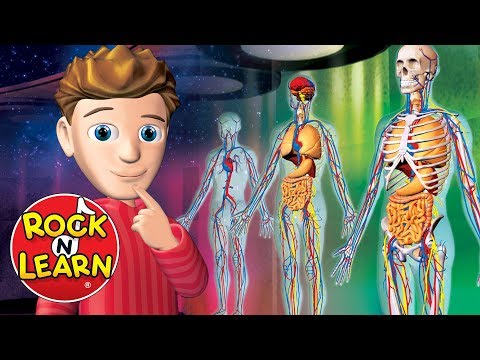
You know that moment when you try to explain how your brain works, and you’re like, “Um, it’s just… my brain?” Well, it turns out, there’s a way to make this whole body thing way more interesting.
Imagine for a second a classroom where instead of just textbooks, you’ve got crazy cool 3D models of all your organs. I mean, who wouldn’t want to poke around inside a digital heart or see how the lungs inflate? It’s like playing doctor without the white coat!
The truth is, our bodies are super complex—and pretty weird when you think about it. But with these innovative models popping up in schools and labs, understanding them becomes a lot less daunting. They’re changing how we learn about ourselves. Seriously!
So let’s chat about these awesome human body models and why they might just be the coolest thing to happen in science education since… well, ever!
Enhancing Science Education: The Impact of 3B Scientific Models on Learning Outcomes
Enhancing Science Education is like giving students a new pair of glasses to better see the world around them. When it comes to learning about complex subjects like human anatomy, there’s nothing like having some tangible models to bring those ideas to life. That’s where 3B Scientific Models come in.
These anatomical models are detailed representations of various parts of the human body. They’re not just pretty decorations; they help in many ways that can improve how students understand science.
- Visual Learning: Humans are visual creatures, you know? Having a 3D model lets students see things from different angles. Imagine trying to understand how the heart works just through pictures in a textbook—kind of tricky, right? But with a model, you can explore its structure and see how blood flows.
- Hands-On Experience: There’s something magical about touching and manipulating a model. It makes learning more active instead of passive. Students can dissect or assemble parts, which can reinforce their understanding better than just reading.
- Encouraging Curiosity: Seeing these models sparks questions! Kids might wonder why certain muscles are shaped a certain way or how bones protect organs. That natural curiosity leads to deeper discussions and discoveries.
- Diverse Learning Styles: Every student learns differently. Some might be auditory learners who grasp concepts through lectures, while others need visuals or physical tools. Models cater to multiple learning styles, helping everyone find their groove.
- Real-World Connections: Using anatomical models connects classroom learning with real-world applications. Students can relate what they learn about biology to healthcare professions or sports science, making education feel relevant and exciting.
I remember when I was in school—my biology teacher brought out this massive model of the human brain during one lesson. The way she explained the different parts was so much clearer when we could see it all together! I could actually visualize what she was talking about instead of just imagining it.
So yeah, those models don’t just sit there; they engage students actively! They help build confidence because learners feel more prepared when discussing complex topics with their peers.
In addition, using these educational tools can also boost critical thinking skills as students analyze information based on what they see rather than relying solely on memorization from texts.
To wrap it up: 3B Scientific Models in education provide an opportunity for enriching learning experiences that go beyond traditional teaching methods. They’re all about improving outcomes and opening up a world of possibilities for understanding the amazing complexity of our bodies!
Exploring the Extraordinary: Fascinating Abilities of the Human Body Unveiled by Science
The human body is like a living, breathing miracle, you know? Seriously, it’s packed with abilities that are just mind-blowing. From healing wounds to figuring out complex problems, our bodies are constantly working in extraordinary ways.
First off, have you ever thought about the power of healing? When you get a cut or scrape, your body jumps into action. Platelets rush to the wound to stop the bleeding while cells start repairing the damage. It’s like having a personal construction crew on standby. You might not even notice some cuts because they heal so fast!
Then there’s the way our bodies can detect and respond to threats. Like when you touch something hot and pull your hand away before you even realize what happened—it’s all about reflexes. This quick response happens thanks to special nerve pathways called reflex arcs. They help keep us safe without us even thinking about it!
Speaking of senses, let’s dive into our superhuman ability to taste. You might think tasting food is pretty basic, but it involves multiple senses working together—taste buds send signals to your brain while your nose helps identify flavors through smell. That’s why food tastes different when you have a cold; your nose is all blocked up!
And let’s not forget about how our brains can store an enormous amount of information. Imagine this: each time you learn something new—like the lyrics to your favorite song or how to ride a bike—your brain creates new pathways and connections. It’s almost like building a library where every book represents something you’ve learned.
Now here comes another amazing part: did you know we can adapt? Our bodies adjust to different environments all the time! For instance, athletes train in various conditions; climbers may acclimatize to high altitudes where oxygen is thin. This is because of physiological adaptations. Some people might develop more red blood cells for better oxygen transport when they’re at higher elevations.
One thing that often gets overlooked is our emotional responses tied to physical sensations. Have you felt butterflies in your stomach before speaking in public? That’s real! Our body reacts emotionally by sending signals that can influence how we feel physically.
In terms of education, innovative human body models are changing how we learn about all these functionalities. By using realistic simulations and interactive models, students get an up-close view of how organs operate or how systems interact within us. It makes science come alive!
So next time you’re feeling overwhelmed by life or simply amazed at what your body does daily, remember: there’s **so much more beneath** the surface than meets the eye! All these fascinating abilities remind us that being human is truly extraordinary.
Revolutionizing Scientific Education: Innovative Human Body Models Enhancing Learning and Understanding
So, let’s talk about how the way we learn about the human body is getting a serious upgrade. With all the new tech around, there’s this really cool trend of using innovative human body models in science education. Seriously, it’s like moving from black-and-white TV to full-on color digital screens!
First off, you might be wondering what these models actually are. Well, they can range from 3D printed replicas to interactive software that lets you “explore” different organs and systems. Imagine being able to rotate a 3D heart model on your computer or even use virtual reality to step inside a body and see how everything works together! Pretty mind-blowing, right?
- Hands-on learning: Traditional methods often involve looking at textbooks or diagrams. Innovative models let students touch and interact with the material. It’s one thing to read about muscles; it’s another to feel them in action.
- Visual understanding: Many people learn better visually. These human body models provide a clear picture of complex structures. For example, seeing the circulatory system as a whole can make it easier to understand how blood flows and why it matters.
- Safe experimentation: Students can simulate surgeries or medical procedures without any risks involved. It allows for mistakes and learning without real-life consequences—kind of like playing a video game where you get more lives when you mess up!
When I was in school, I remember struggling with biology concepts because they felt so abstract. But imagine if I had access to these interactive models back then! Learning would have turned into an adventure rather than just memorizing facts.
Now, let’s look at some real-world applications of these innovative models:
- Medical training: Future doctors are using advanced simulations that mimic actual surgeries or patient interactions. This prepares them for the real deal without stepping into an operating room unprepared.
- K-12 education: Schools are starting to incorporate 3D anatomy apps into their curriculum, making biology more engaging for younger students so they don’t dread science class!
What really drives this change is the goal of making learning accessible and enjoyable. Students are more likely to stay engaged when they can visualize what they’re studying instead of just reading about it.
There’s also this emotional aspect tied to learning through these models; think about those “aha!” moments when something finally clicks because you’ve interacted with it directly! It sticks with you much longer than words on a page ever could.
In short, these innovative human body models aren’t just transforming science education—they’re reshaping how we view and understand our own bodies! Making things tangible helps demystify complicated concepts and gives students an experience that textbooks simply can’t provide.
So yeah, education is becoming a lot more exciting thanks to tech in scientific classrooms!
You know what’s kind of mind-blowing? The ways we’re learning about our bodies these days. I mean, back in the day, you’d have to stick with textbooks and maybe a few diagrams that could make your head spin trying to figure out where everything was. But now? We’ve got some pretty incredible tools at our fingertips.
Think about it: innovative human body models are changing the game in scientific education. You used to have to rely on imagination and maybe a few poorly done illustrations that barely resembled reality. Now, these 3D models, virtual reality experiences, and even interactive apps let you explore the human body in ways you never thought possible. It’s like being a detective in your own anatomy lab!
I remember when I first encountered one of these interactive models during a biology class. We were able to “walk” through the circulatory system and see how blood flows through our veins and arteries. I’ll never forget the thrill of spinning around inside a heart—feeling like I was right there in the action! It was such a game changer for understanding how things work.
And here’s what’s cool: these models aren’t just for students who want to become doctors or nurses. They’re opening doors for everyone, from curious kids to adults wanting to understand their health better. You can see real-time scenarios, like what happens during a heart attack or how infections spread through the body. This kind of immersive experience lets people connect with their own health on such a personal level.
But it doesn’t stop there! These advances also mean better training for medical professionals too. Surgeons can now practice on virtual patients before they even step into an operating room. That’s pretty amazing when you think about the pressure they face making decisions that could save lives!
Sure, there are challenges—like ensuring everyone has access to this technology or finding ways to keep up with all the new developments—but overall, it feels like we’re on this path where learning about our insides is more engaging and accessible than ever before.
So yeah, as we keep pushing boundaries with innovative human body models in education, it really makes me wonder what more we’ll discover together in this journey of understanding ourselves!