You know that moment when you trip over your own feet? Yeah, it’s embarrassing. I once did a spectacular faceplant while trying to impress my friends with some dance moves. Spoiler alert: I wasn’t so impressive!
But here’s the thing. That awkward moment made me realize just how much we rely on our ankles to keep us balanced. Seriously, these little joints do way more than just help you stand on two feet; they’re like the unsung heroes of movement.
Ever thought about how complex they are? The human ankle is a marvel of engineering. It connects bones, withstands pressure, and lets us walk, run, and even dance (hopefully without falling!). So let’s dive into what makes these joints tick. You’ll see it’s not just about avoiding faceplants!
Understanding the Anatomy and Function of the Human Ankle: A Comprehensive Guide for Anatomy Students
The human ankle is a pretty neat marvel of engineering, you know? It’s not just there to look good in sandals; it plays a crucial role in how we move around every day. Let’s break down its anatomy and function so it all makes sense.
Anatomy of the Ankle
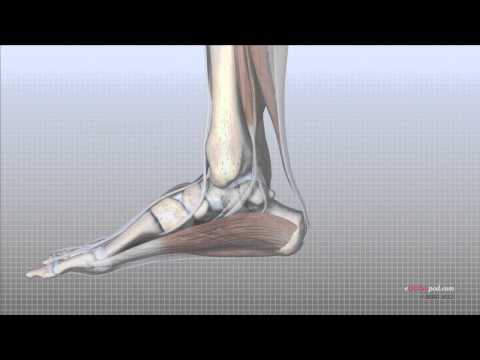
So, the ankle, or what we call the talocrural joint, connects your foot to your leg. It’s made up of three main bones:
- Tibia: This is the larger bone in your lower leg. It supports most of your body weight.
- Fibula: The fibula is smaller and runs parallel to the tibia. It helps stabilize the ankle.
- Talus: This bone sits above the heel bone and below the tibia and fibula, acting like a bridge for them.
But wait, there’s more! The ankle also has several important ligaments—these are like tough rubber bands that hold everything together.
- Lateral Ligaments: They are on the outside and help prevent your ankle from rolling outward.
- Medial Ligaments: These are on the inside and prevent it from rolling inward.
Your ankle moves smoothly thanks to something called cartilage. It covers the ends of bones, reducing friction like oil on a squeaky hinge. And don’t forget about synovial fluid—this slippery stuff keeps everything lubricated!
The Functionality Factor
The way your ankle works is fascinating! Basically, it allows for movement in two main ways:
- Dorsiflexion: This happens when you lift your foot upwards towards your shin. Think about how you flex your foot when walking on your heels—pretty neat, huh?
- Plantarflexion: On the flip side, this occurs when you point your toes downwards. Like when you’re standing on tiptoes or pushing off while running.
Your ankle plays a major role during activities like walking or running because it needs to absorb shock and provide stability at each step. When you walk, imagine how much pressure goes through that little joint! A lot more than you’d think!
This all becomes even more interesting when you think about injuries. Ever rolled an ankle playing sports? Ouch! That usually happens when those ligaments get stretched too far or even torn during movement.
A fun fact: Your ankles also act as a balance regulator while you’re moving over uneven surfaces! They adapt quickly to keep you upright—how awesome is that?
You know what’s really wild? Every time you take a step, over a hundred muscles and tendons work together with your ankles just to make sure everything goes smoothly. It’s teamwork at its finest!
If you’re studying anatomy, keep diving into this topic! Knowing how each part functions helps in understanding not just injuries but also treatments and rehabilitation methods for those pesky sprains later on.
The human body is truly an incredible puzzle where every piece matters—and trust me, understanding the anatomy of something like our ankles really highlights that reality!
Comprehensive Overview of Ankle Joint Anatomy in Human Biology
The ankle joint is pretty fascinating when you think about how much it does. It’s like the unsung hero of our lower limbs, quietly supporting us every time we take a step. So, let’s break it down a bit.
Structure of the Ankle Joint
Your ankle isn’t just one bone; it’s a complex assembly of bones, ligaments, and tendons that work together. The main bones involved in forming the ankle include:
- Tibia: This is your shinbone. It runs straight down from your knee and bears most of your body weight.
- Fibula: A thinner bone next to the tibia that helps stabilize the ankle.
- Talus: This one sits right above the heel bone (calcaneus) and connects with both your tibia and fibula to form the main joint.
- Calcaneus: Otherwise known as your heel bone—it doesn’t directly form the joint but plays an essential part in your foot’s structure.
Now, these bones are held together by tough bands called ligaments. They provide stability and limit excessive movements that could lead to injuries. The key ligaments are:
- Lateral ligaments: Located on the outer side of your ankle; they help prevent rolling.
- Medial ligament (deltoid ligament): This strong ligament on the inner side helps resist forces trying to push your ankle outward.
Tendons at Work
Don’t forget about tendons! They’re what attach muscles to bones and allow for movement. There are two main groups of tendons around the ankle:
- Dorsiflexors: These lift your foot upwards—think about pulling away when you stub your toe!
- Plantarflexors: These help point your toes down—like when you’re on tiptoe trying to reach for something high up.
The Role of Muscles
Those tendons connect muscles that are crucial for daily movements. You’ve got muscles like the gastrocnemius and soleus which make up part of your calf muscle. When they contract, they pull on the Achilles tendon, causing plantarflexion at the ankle.
I remember one time I was running after my dog, who decided that chasing squirrels was more fun than coming back. I tripped over my own feet at full speed—a classic “what was I thinking” moment! Thankfully, my ankles managed to roll with it instead of giving out completely.
Ankle Movements
You might not think about it often, but the range of motion in your ankles is pretty cool! Here’s what they can do:
- Dorsiflexion: Bringing your foot up towards you—this is super important for walking!
- Plantarflexion: Pointing toes away from you—you do this all day without even realizing it!
- Eversion: Rolling your foot outward; we’ve all done this accidentally while walking on uneven ground.
- Inversion: Rolling it inward; this is how you might sprain an ankle if you’re not careful!
The thing is, even though we rely on them so much, our ankles can be really prone to injuries due to everything they support—the weight of our bodies, sudden movements during sports or just stepping off a curb wrong.
To wrap this up: The anatomy of our ankles is intricate yet brilliant in its design. They let us walk, run, dance—even chase after mischievous pets! Understanding how these joints work helps appreciate just how amazing our bodies really are!
Understanding Ankle Anatomy: A Comprehensive Guide to Ligaments and Their Functions in Human Biology
Sure thing! Let’s break down the anatomy of the ankle and really get into those ligaments and their roles. So, here we go!
The ankle is a pretty incredible joint that connects your foot to your leg. It lets you move in all sorts of directions, which is super important for walking, running, and basically getting around without falling flat on your face.
Ligaments are these tough bands of connective tissue that hold bones together. They’re kind of like the safety ropes in a circus act, making sure everything stays where it should be. In the ankle, there are several key ligaments you should know about.
- Lateral Ligaments: These are located on the outside of your ankle. There are three main ones here—the anterior talofibular ligament (ATFL), the calcaneofibular ligament (CFL), and the posterior talofibular ligament (PTFL). They help stabilize the ankle during movements like twisting or turning.
- Medial Ligament (Deltoid Ligament): This one’s found on the inside of your ankle. It’s quite strong and prevents excessive movement that could cause injury when landing awkwardly or rolling your foot.
- Syndesmotic Ligament: This isn’t one single ligament but a group connecting two bones in your lower leg—the tibia and fibula. It helps keep them stable when you’re jumping or running.
Now, each of these ligaments plays a specific role in keeping everything stable as you move around. For example, let’s talk about that anterior talofibular ligament (ATFL) for a sec—it’s often injured during sports when someone rolls their ankle awkwardly. Ouch! That can lead to swelling and pain because it gets stretched or torn.
Ligaments have this amazing ability to limit movement so that it doesn’t go beyond safe limits. Think about it: when you twist your ankle too far, those ligaments are like “Whoa there! Not so fast!” They help prevent serious injuries by controlling how much motion is allowed.
You might have heard about some common injuries like sprains or strains—these usually involve those ligaments getting hurt. A sprain happens when a ligament gets stretched too far, while a strain affects muscles or tendons. And guess what? Ankle sprains are one of the most common sports injuries!
So what happens after an injury? Well, there’s inflammation and pain—your body goes into recovery mode, sending fluids and cells to help fix things up. You might need some rest and ice for healing; sometimes physical therapy comes into play to strengthen those muscles around the ligaments so they can support you better next time.
It’s also important to remember that strong muscles surrounding the ankle can help support those ligaments even more—so working out those calves can be beneficial!
To sum it up: Your ankles are vital for mobility with crucial ligaments holding everything together just right. Whether you’re on a morning jog or just walking down the street, these structures work behind-the-scenes so you can keep moving smoothly without a hitch.
That said, always listen to your body! If something feels off with your ankles, don’t ignore it—take care of them; they’re doing hard work every day!
Alright, so let’s chat about something we probably don’t think about too much—our ankles! You know, that part of your body that lets you walk, run, and maybe even dance a little? I mean, when was the last time you really paid attention to how amazing this joint is?
So here’s the deal: the ankle isn’t just one solid piece. It’s like a cool puzzle made up of bones, ligaments, tendons, and cartilage. The main players are three bones: the tibia (that’s your shin bone), the fibula (the smaller bone next to it), and the talus (which is right below them). Together they form a joint that gives your foot tons of flexibility while supporting your body weight. Seriously impressive!
Now think about this for a second. Every time you take a step or do a little hop, these bones are working together to give you stability and movement. It makes me remember those days when I used to play tag with my friends as a kid. I’d be running around like crazy—and sometimes tripping over my own feet! But it was my strong ankles that kept me going after every stumble.
And let’s not forget about those ligaments! They’re like super strong rubber bands connecting our bones together, helping keep everything stable. There are quite a few important ligaments in the ankle—like the anterior talofibular ligament and the deltoid ligament—working hard to keep everything in place while allowing us to move freely without worrying about rolling an ankle every second.
Tendons play their part too; they connect muscles to bones and help us flex and point our toes or lift our feet as we walk. Ever tried walking on your tiptoes? Your Achilles tendon is what makes that whole thing possible—it connects your calf muscles to your heel bone.
However, treating our ankles well is key! Think sprains or strains when we push ourselves too much or land awkwardly. I remember one time during soccer practice—I went for a kick but missed entirely and rolled my ankle instead. Ouch! That wasn’t fun at all.
So yeah, taking care of this amazing little joint by stretching before activity or wearing the right shoes can really make a difference in keeping it healthy for all those spontaneous dance-offs or hikes you might jump into.
In short, our ankles are more than just joints—they’re essential components of our body’s movement machine. So next time you’re out walking around or jumping on one foot with friends, give some love to those hardworking structures down there! They deserve it for keeping us on our toes—literally!