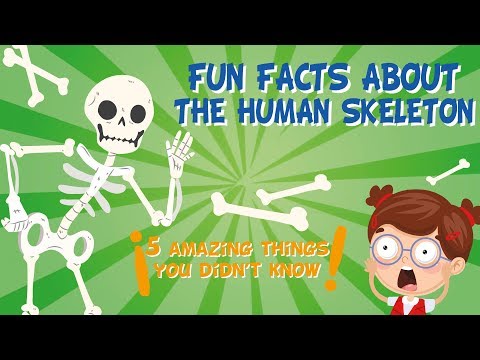
So, you ever think about your bones? I mean, like, really think about them? They’re like the unsung heroes of our bodies. One time, I tripped over my own feet and landed on my knee. Ouch! But instead of worrying about breaking something, I realized my bones were tough enough to handle it.
It got me curious: what else are these amazing things doing for us? Seriously! Bones do a whole lot more than just hold you up when you walk or run. They’re busy storing minerals, making blood cells, and even protecting your organs from harm. Pretty wild when you consider how much we take them for granted!
So yeah, let’s dig into the fascinating world of bones — what they really do and why they’re seriously worth our attention. You’ll be amazed at just how cool these inner structures are!
Fascinating Insights into Human Bones: Unveiling the Secrets of Our Skeletal System
Sure! Here’s a fun and informative peek into human bones.
Did you know that your skeleton is like a super cool framework that holds everything together? Yeah, it’s true! Our bones not only give us shape and support but also have some fascinating jobs that keep us moving and grooving. Let’s break it down.
1. Structure and Support: First off, bones are the building blocks of your body. Imagine trying to hold a giant balloon filled with water; without some structure, it would just flop over. That’s what bones do for us! They give our bodies shape and help us stand tall.
2. Protecting Vital Organs: Our bones are like superhero shields. They protect vital organs from damage. For example, the skull guards your brain, while the ribs encase your heart and lungs. This way, when you play sports or trip on the sidewalk, your important organs have a better chance of staying safe!
3. Production of Blood Cells: Now here’s something really cool: our bones produce blood cells! Inside certain bones is bone marrow—a soft tissue that creates red blood cells (which carry oxygen), white blood cells (which fight off sickness), and platelets (which help with clotting). So every time you take a breath or get a cut, thank your bones for those crucial little guys!
4. Storage of Minerals: Bones also store minerals like calcium and phosphorus—basically little treasure chests in your body! Whenever your body needs these minerals for things like building strong teeth or keeping muscles working properly, it can tap into this supply.
5. Helping Movement: Ever notice how you swing your arm or kick a ball? Well, the joints where our bones connect allow us to move smoothly. Muscles pull on the bones to create movement; think of it as pulling on strings of a puppet! Without these connections, we would be pretty much stuck.
An interesting fact: did you know we start with around 300 bones as babies? But by adulthood, we end up with only 206 because some fuse together as we grow up—like roommates who decide to share an apartment!
The thing is, taking care of our bones is super important too! Eating foods rich in calcium (like milk or spinach) helps keep them strong and healthy. And don’t forget about exercise—weight-bearing activities like running or jumping make our bone density better!
Your skeletal system is more than just a bunch of hard stuff inside you; it’s alive and has various jobs going on behind the scenes all day long! Isn’t that kind of amazing?
Exploring the 10 Essential Functions of Bone in Human Anatomy and Physiology
Sure! Let’s chat about bones and the cool stuff they do in our bodies. Bones are often seen just as hard structures that hold us up, but they’re like the unsung heroes of our anatomy, supporting a whole bunch of functions.
1. Support
Think of bones like the scaffolding of a building. They provide structure and shape to your body, giving you that upright form we all recognize. Without them, you’d be a puddle on the floor!
2. Protection
Bones protect vital organs from injury. For example, your rib cage is like a fortress for your heart and lungs, while the skull protects your brain. It’s their job to keep those important bits safe from bumps and knocks.
3. Movement
Ever tried running or jumping? Well, your bones work with muscles to help you move around! Muscles are attached to bones via tendons, and when they contract, they pull on bones—allowing you to perform all sorts of movements.
4. Blood Cell Production
Did you know your bones make blood? Inside some of them is a spongy substance called bone marrow, where red blood cells are produced. These little guys carry oxygen throughout your body — kind of essential for staying alive!
5. Mineral Storage
Bones store key minerals like calcium and phosphorus—like tiny banks for these nutrients! When your body needs more calcium (like when you’re growing or if you’ve had an injury), it can take what it needs from the bones.
6. Energy Storage
Fat can also be stored in bone marrow as yellow marrow, which serves as an energy reserve for times when food is scarce or energy is needed quickly.
7. Endocrine Function
Some bones play a role in producing hormones too! For instance, osteocalcin is produced by bone cells; it helps regulate blood sugar levels and fat deposition — who knew bones could multitask like that?
8. Acid-Base Balance
Bones help in maintaining the pH level in our blood by releasing or absorbing alkaline minerals when needed—kind of like adjusting the temperature on a thermostat!
9. Body Shape Formation
The specific shape of each bone contributes to overall body shape and function—it’s not just about being tall or short but how everything fits together nicely.
10. Facilitating Joint Movement**
Certain types of joints allow for different kinds of movements – like bending or rotating – thanks to how they’re structured with adjacent bones working seamlessly together.
So there you have it! Bones are much more than just hard structures holding us up—they’re active players in keeping our bodies functioning smoothly every day! It’s pretty amazing to think about all that’s happening beneath our skin every second, isn’t it?
Exploring the Five Essential Functions of Bones in Human Biology
You might not think about your bones too much, but these hard structures in your body are doing a ton of important stuff every single day. So, what’s the scoop on bones? Let’s break down their five essential functions in human biology.
First off, support is a biggie. Your bones give your body shape and structure. Without them, you’d be like a jellyfish—pretty cool in its own way but not great for walking around! They create a solid framework that supports everything from your head to your toes.
Now, let’s talk about protection. Bones are like the body’s armor. For instance, your skull protects your brain from bumps and knocks. Ever had a close call with a doorframe? Yeah, imagine if you had no skull! Yikes! Similarly, rib bones shield vital organs like the heart and lungs from injury.
Also super important is the function of movement. You probably know this one—bones work with muscles to let you move around. Muscles pull on bones, acting like levers to help you walk or wave goodbye. Think about how sweet it is when you throw a frisbee or dance at a party; it’s all those bones and muscles working together!
Then there’s mineral storage. Bones aren’t just passive—they hold onto important minerals like calcium and phosphorus, keeping them safe for when your body needs them later. When you’re low on calcium for strong teeth or healthy nerves, guess what? Your bones release some of that stored calcium into your bloodstream. It’s like having a backup supply right inside you!
Lastly, we can’t forget about blood cell production. Inside some of our larger bones is this soft tissue called bone marrow—it’s where new blood cells are made! Red blood cells carry oxygen all over your body; white blood cells help fight off infections. Pretty amazing that within the hard outer layer lies such crucial stuff for survival!
So there you have it: support, protection, movement, mineral storage, and blood cell production—all essential functions that keep our bodies functioning smoothly every day. The next time you take a step or laugh at something silly with friends, remember that complex system working behind the scenes!
You know, when you think about bones, it’s easy to just take them for granted. They’re hard, they’re strong, and they hold us together. But seriously, bones are way more fascinating than I used to think!
So let’s talk about what bones do beyond just being the structure of our bodies. First off, they’re like this super cool factory for blood cells. Yeah! Inside our bones, especially in the big ones like the femur (which is your thigh bone), is this soft stuff called bone marrow. And guess what? That’s where red blood cells get made! These little guys are crucial because they carry oxygen all around your body. Without them, you’d be feeling pretty sluggish—totally a downer.
Then there’s the whole calcium thing. Bones store calcium like it’s nobody’s business! When you need calcium for things like muscle function or keeping your heart beating strong, guess where it comes from? Yup—you guessed it. Your bones release it into your bloodstream as needed. It’s kind of like having a backup stash of candy when you’re on a diet—just in case!
And hey, have you ever sprained an ankle or broken a bone? Ouch, right? But did you know that once you break a bone—after all that pain and healing—what comes back is usually even stronger than before? It’s true! Your body knows how to repair itself and can make those bones tougher through a process called remodeling.
I still remember the time I twisted my wrist playing basketball. I had to wear one of those goofy braces for weeks! It was annoying but kind of amazing to learn that my body was working hard to fix itself during that time.
Also, bones have this incredible ability to tell stories about who we are—they hold clues about our age and even some aspects of our health. For instance, scientists can study bones found in old burial sites or archaeological digs. The size and structure can reveal if someone was active or if they had certain diseases during their lifetime.
So yeah, next time you think about your skeleton holding you up while you binge-watch your favorite show or go for a run in the park, remember there’s so much more happening beneath the surface! Bones aren’t just rigid structures; they’re dynamic players in our health and well-being—a real testament to how adaptable and clever our bodies are. What a journey those little structures take us on throughout life!