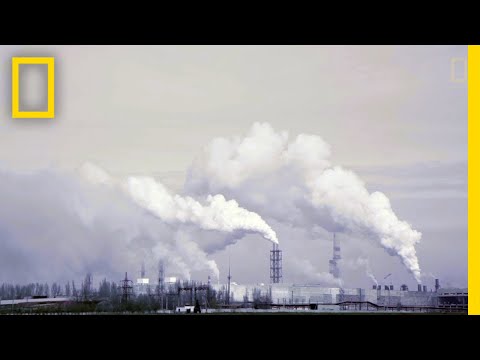
You know that moment when you leave the house in a hurry and accidentally put on mismatched shoes? One’s all fancy, and the other is like a clunky old sneaker. It’s funny but also a bit concerning, right? Kind of like how we treat the planet sometimes.
So, picture this: Earth is our home, and we’ve got it decked out with all sorts of cool stuff—like forests, oceans, and even cute little penguins! But here’s the kicker: we’ve also thrown in things that aren’t so great for it. You see, humans have been cranking up the heat on our planet like it’s a tenth rewatch of your favorite comfort show.
The greenhouse effect is this natural process that keeps Earth warm enough to live. But we’ve started messing with it by releasing more greenhouse gases than ever before. It’s like tossing on extra sweaters when it’s already hot outside!
And trust me, everything from melting icebergs to extreme weather swings can be traced back to our actions. So grab your mismatched shoes—because this topic is all about walking through how our influence affects climate change. Ready? Let’s take a stroll through what that really means for us and the planet!
Examining Human Impact on the Greenhouse Effect: Insights from Climate Change Research
The greenhouse effect is, like, one of those natural processes that keeps our planet warm enough to support life. You know? The Earth’s atmosphere traps some of the heat from the sun, acting like a giant blanket. But here’s the thing: human activities have really cranked up the volume on this effect—like, big time.
Now, when we talk about human impact, we’re mostly pointing fingers at things like burning fossil fuels, deforestation, and industrial processes. Each of these contributes to an increase in greenhouse gases in our atmosphere. It’s kinda shocking when you think about it.
So let’s break this down a bit:
- Carbon Dioxide (CO2): This bad boy is released when we burn coal, oil, or gas for energy. Think about all those cars on the road or factories humming along—pretty much all of them pump out CO2.
- Methane (CH4): Much stronger than CO2 in trapping heat—up to 25 times more effective! It comes from sources like livestock digestion and landfills. Ever walked past a farm? Yeah, you might get a whiff!
- Nitrous Oxide (N2O): Often released from agricultural practices and the burning of fossil fuels as well. It sticks around in the atmosphere for quite a while too.
So what happens when these gases pile up? Well, they create an enhanced greenhouse effect—like packing on extra layers when you’re already cozy. This leads to rising global temperatures—a phenomenon we call climate change.
What’s wild is how fast changes are happening now compared to before! Like my friend who used to go skiing every winter now finds that less snow greets him each year. It’s not just him; glaciers worldwide are melting too! That water has to go somewhere.
And let me tell you about ocean acidification! Increased CO2 levels not only warm the planet but also get absorbed by oceans, turning them more acidic. This is bad news for marine life like corals and shellfish… You don’t want to mess with aquatic ecosystems!
You may be thinking about climate change’s effects on weather patterns too—the increased intensity of storms or heatwaves is directly linked to our human fingerprints on the greenhouse effect. More frequent flooding in some areas while others face drought? Yep! All related!
But here’s where it gets tricky: While many people acknowledge that humans contribute significantly to climate change, tackling it can feel overwhelming. Look, it’s a collective effort – every little action counts whether it’s using public transport or reducing food waste.
In short, understanding our impact on the greenhouse effect takes compassion and awareness of how interconnected everything truly is—from your local environment all the way up to global systems influencing weather patterns.
So yeah, being aware of what we do matters because change starts with us! It’s not just science; it’s part of being responsible stewards of our planet for generations yet to come!
Exploring the Top 10 Scientific Causes of Climate Change: Insights and Impact
Climate change is a big deal, and it’s mostly because of us—humans. You know, the way we live, work, and, unfortunately, consume. Let’s break down the top ten scientific causes of climate change and how they’re messing with our planet.
- Burning Fossil Fuels: This is like the heavyweight champ of greenhouse gas emissions. When you burn coal, oil, or natural gas for energy or transportation, you release carbon dioxide (CO2) into the air. Think about your car or that coal-fired power plant down the road. All those emissions trap heat in our atmosphere.
- Deforestation: Cutting down trees? Not cool! Trees absorb CO2 while they’re alive. But when they’re chopped down to make room for farms or buildings, all that stored CO2 gets released back into the atmosphere.
- Agricultural Practices: Farming isn’t just about growing food; it also contributes to climate change. Livestock like cows produce methane, a gas much more potent than CO2 when it comes to warming our planet. Plus, fertilizers can release nitrous oxide, another nasty greenhouse gas.
- Industrial Processes: Manufacturing often involves chemical reactions that release greenhouse gases. From producing cement to making plastics—there’s a lot going on behind those factory walls that contributes to climate change.
- Landslides and Soil Degradation: When soil gets eroded due to poor land use or extreme weather events, it releases carbon stored in the ground back into the atmosphere. Healthy soil helps keep carbon locked away!
- Waste Management: Ever thought about what happens to your trash? Landfills produce methane as organic waste decomposes without oxygen. Incinerating waste can also create CO2 emissions. It’s all tied together in this messy web!
- Aerosols and Air Pollution: While some aerosols can cool the planet by reflecting sunlight away, many contribute to warming by absorbing heat in the atmosphere. And air pollution itself is bad for health too—it’s a double whammy!
- Land Use Changes: Urbanization can increase surface temperatures through what’s known as the urban heat island effect. Cities are usually warmer than rural areas because buildings and concrete absorb heat.
- The Melting Permafrost: As global temperatures rise, permafrost thaws, releasing trapped methane and CO2 from ancient organic materials buried underground. This one could start a nasty feedback loop where warming leads to even more warming!
- The Ocean’s Role: Oceans absorb large amounts of CO2 but can only take so much before they start releasing it back into the atmosphere due to changes in temperature and chemistry caused by climate change itself.
You see? The chain reaction here is wild! One cause feeds another—it’s like a snowball rolling downhill but way messier with serious consequences for our planet’s health.
If you’ve ever felt anxious about climate change—and who hasn’t?—just remember that understanding these causes is key in tackling them head-on! By changing how we live—from reducing energy use at home to supporting sustainable practices—we can help slow this crazy ride toward an uncertain future.
Analyzing the Impact of Human Activities on Climate Change: A Scientific Perspective
Well, human activities have really changed the game when it comes to climate change. You know that feeling when you step outside on a hot day, and it feels way hotter than before? That’s not just your imagination; it’s the result of what we’ve been doing to our planet.
Greenhouse Gases
First off, let’s talk about greenhouse gases. They’re like a cozy blanket around Earth, keeping us warm. But this is where things get tricky! Human activities are pumping these gases into the atmosphere at an alarming rate. Think of stuff like cars spewing exhaust, factories working overtime, and deforestation (yes, cutting down trees!). These actions increase levels of carbon dioxide and methane in the air. So basically, we’re making that cozy blanket thicker and thicker.
Carbon Dioxide
Now carbon dioxide (CO2) is a biggie here. When you burn fossil fuels—like coal, oil, or natural gas—you release CO2 into the air. This happens when we drive cars or power our homes. The thing is, our planet has a natural balance for CO2 levels. But humans have pushed this balance off-kilter since the Industrial Revolution! It’s like taking a delicious cake and adding way too much sugar; it throws everything out of whack.
Methane Emissions
And don’t forget about methane! This stuff is way more potent than CO2 but doesn’t stick around as long in the atmosphere. You know how cows produce methane? Yup! Agriculture contributes significantly through livestock digestion and even rice paddies. So every time someone cracks open a burger or digs into fried rice, there’s some methane behind that deliciousness!
Deforestation
Then there’s deforestation, which is basically like taking scissors to nature’s lungs. Trees help absorb CO2 from the air—kind of like nature’s way of cleaning up after us! But when forests get chopped down for agriculture or development purposes, that carbon gets released back into the atmosphere instead of being locked away in those beautiful trunks.
Effects on Weather Patterns
So what does all this mean for us? Well, climate change isn’t just about warming up; it messes with weather patterns too! Expect more extreme weather – think hurricanes packing a bigger punch or droughts lasting longer than usual. It’s like Mother Nature has decided she needs to shake things up!
The Scientific Consensus
Science isn’t just throwing darts in the dark here; there’s overwhelming agreement among scientists about human influence on climate change. Reports from organizations like the Intergovernmental Panel on Climate Change (IPCC) lay it all out pretty clearly: our actions are driving this crisis.
In a nutshell, human activities have led to significant changes in greenhouse gas concentrations since we started industrializing everything around us. Whether it’s through burning fossil fuels or cutting down forests, we’re directly influencing climate change in ways that will impact generations to come if we don’t act now!
So yeah—every tiny action counts! Reducing waste at home or using public transport might seem small but think of all those little changes adding up over time? That could create some serious positive ripple effects for our beautiful planet!
You know, it’s hard not to feel a bit overwhelmed when you think about climate change. I mean, just looking around at the changing seasons, it’s like everything’s a little off-kilter now. Like last summer when my buddy and I decided to hit the beach. We ended up roasting under that scorching sun earlier than usual. It was kinda wild, because we weren’t even in July yet!
So, let’s talk about the greenhouse effect for a sec. Basically, it’s like Earth has this cozy blanket made of gases—some are natural, some we’ve pumped out into the atmosphere ourselves. Things like carbon dioxide and methane trap heat and keep our planet warm enough for us to thrive, which is awesome! But here’s where it gets tricky: human activities have been cranking up the heat by releasing way more of these gases into the atmosphere than nature ever intended.
Think about all those cars on the road or factories churning out smoke—that’s us adding more greenhouses gases every day! And honestly? It feels like we’re playing with fire… or more accurately, playing with our future. I remember once chatting with an elderly neighbor who’d seen seasons change in ways that were alarming to her; she’d spent decades gardening and suddenly found herself battling plants that wouldn’t bloom when they used to. It hit me how much our actions ripple through generations.
And while it may be easy to feel small in this big picture—like what can one person do?—the collective weight of our daily choices really adds up. Whether it’s cutting back on plastic use or opting for public transport instead of driving every day, those small shifts matter over time.
But let’s be real; tackling climate change isn’t just about individual choices. It requires systemic changes too—like policies that encourage renewable energy or protecting natural habitats that help absorb CO2. So yeah, there’s a ton going on out there and sometimes it feels dark and heavy.
Still, amidst all this turmoil, there’s hope! More people are waking up to the reality of climate change and advocating for solutions. And seeing communities come together to push for green initiatives gives you a glimmer of optimism amid all the doom-and-gloom news.
In short, human influence on the greenhouse effect is real and pretty serious stuff—but we’re not powerless here. Instead of burying our heads in the sand (or snow!), let’s keep talking about it and taking steps forward together—and who knows? Maybe we’ll turn things around after all.