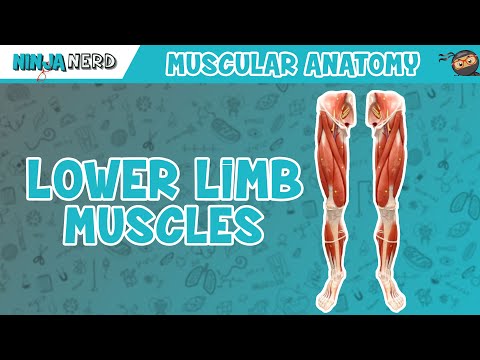
You know that weird moment when you’re halfway through a run and suddenly your leg feels like it’s made of jelly? Yeah, I’ve been there too! It’s kind of funny, but also super confusing.
So, what’s going on with our legs, anyway? They’re these incredible machines packed with all sorts of muscles doing crazy things every day. From running to jumping to just standing around looking cool at a party, our leg muscles are always working in the background.
Let’s take a peek behind the curtain, shall we? In this piece, we’ll check out a cool diagram that breaks down all those muscle groups and what they do. You’ll be amazed at how much is happening in those legs of yours! Seriously, it makes me want to stretch right now just thinking about it.
Comprehensive Guide to Simple Leg Muscle Diagrams in Human Anatomy
Well, let’s break down the anatomy of leg muscles in a way that really sticks. You know, it can be pretty cool to see how our muscles work and how they all fit together, so here’s a nice overview.
First off, your leg is made up of several key muscle groups. Here are some of the main ones:
- Quadriceps: These are the big muscles on the front of your thigh. They help extend your knee when you straighten your leg. Think about when you kick a soccer ball; those are your quads doing their thing!
- Hamstrings: Located on the back of your thigh, these muscles bend your knee and also help in moving your hip. They’re super important for activities like running or jumping.
- Calves: The calf muscle group consists mainly of the gastrocnemius and soleus. These guys help you point your toes and push off the ground when you walk or run.
- Glutes: Your gluteal muscles are not just for show! They help with movement in your hips and thighs, stabilizing you while walking or standing. Ever tried climbing stairs? Yup, those glutes are working hard!
Now, if we talk about where these muscles attach—it’s like a puzzle! Each muscle connects to bones via tendons. For instance, the quadriceps attach to the patella (that’s your kneecap), which is super interesting because that’s what allows movement at the knee joint.
You might wonder how these muscles look diagrammatically. You can find diagrams showing them labeled with arrows indicating movement direction and function. This helps visualize exactly what each muscle does in real-time activities like sprinting or even sitting down.
A neat little story: I once tried explaining this to my younger cousin who was learning about sports science for school. We had a laugh when he realized that every time he ran around outside playing tag, his hamstrings were basically throwing a party! It’s amazing how our bodies work together without us even thinking about it.
And what about injuries? That can happen too, unfortunately. Understanding these diagrams can actually help explain why certain stretches or exercises are crucial for injury prevention!
So yeah, when looking at leg muscle diagrams next time, remember that each part has a specific role and they all work together harmoniously—like an orchestra! And who doesn’t love a great symphony of leg action?
Comprehensive Guide to Leg Muscle Anatomy: Names and Functions in Human Biology
You know, our legs are like the foundation of a house. They do so much for us, like walking, jumping, and dancing—seriously, think about all those times you totally nailed that dance move! But have you ever thought about what’s actually going on inside those muscles? Let’s break it down.
First off, let’s talk about the major muscle groups in your legs. These muscles can be divided into several categories:
- Quadriceps: Located at the front of your thigh, this big group of four muscles helps to extend your knee. It’s super important for activities like running and cycling.
- Hamstrings: On the back of your thigh, these three muscles bend your knee and help with hip extension. If you’ve ever felt a tight hamstring after a workout, you know they work hard!
- Calves: This is where things get interesting. The calf comprises two main muscles—the gastrocnemius and the soleus—located at the back of your lower leg. They’re crucial for walking and stabilizing your ankle.
- Glutes: Although technically not part of the leg itself, we can’t forget those powerful gluteal muscles! They help with hip movements and contribute to overall leg strength.
Each of these muscle groups has its own job to do. For instance, whenever you squat down to pick something up—or do a fancy dance move—your quadriceps are ready to jump in action by straightening out your knee. Pretty cool how that works together!
Now imagine this: You’re running after a bus, right? Your hamstrings fire up to help speed up those legs while keeping everything balanced—without them, running would be a total hassle (and probably lead to some embarrassing falls). So yeah, they’re vital for not just athleticism but also daily life.
And when we talk about calves? Well, every time you take a step or push off while sprinting or even just walking up stairs? Those calf muscles are working hard! They contract when you’re on your toes or pushing off the ground—for real! It’s like having tiny springs in your legs.
One more thing worth mentioning: each muscle group doesn’t work alone. They all coordinate with tendons and ligaments around bones which help stabilize everything as you move—pretty nifty if you ask me.
So there you have it—a not-so-complex peek at leg muscle anatomy! Next time you’re strutting down the street or hitting the gym for that workout session, just think about how awesome it is that all these little muscles work together seamlessly. Pretty wild how biology takes care of us every single day without us even realizing it!
Comprehensive Overview of Leg Muscles Anatomy in Human Biology
The human leg is a marvel of biological engineering. Seriously, just think about all the things you can do with your legs—running, jumping, walking, even just standing! It’s fascinating how many muscles work together to make that happen. So, let’s break down the anatomy of leg muscles in a way that’s easy to digest.
First off, we’ve got the major muscle groups in the leg. These guys can be categorized basically into three main areas: the **thigh**, the **lower leg**, and finally, the **muscles around your foot and ankle**. Each area has its own set of muscles that play specific roles.
In the thigh, there are four main muscles called the quadriceps. You know them—those big muscles at the front of your thigh! They’re responsible for straightening your knee. Imagine trying to kick a ball or jump; that’s them doing their job. The quadriceps consist of:
- Rectus femoris: This is a long muscle that helps with hip flexion and knee extension.
- Vastus lateralis: Located on the outer side of your thigh.
- Vastus medialis: Found on the inner side; it helps stabilize your patella (kneecap).
- Vastus intermedius: Right under the rectus femoris; not everyone gives it enough credit!
Next up, there’s the back of your thigh where you’ll find some key players too—the hamstrings. They’re crucial for bending your knees and help you when you run or squat. The hamstrings are made up of:
- Biceps femoris: This one has two parts—long and short heads.
- Semi-tendinosus: A bit longer than its neighbor.
- Semi-membranosus: Not as famous but super important for knee movement!
Now moving on down to the **lower leg**! Here we’ve got two primary muscle groups: those in front and those behind.
On the front side is where you find the **tibialis anterior**. It helps lift your foot up when you walk or run, meaning it’s key for preventing trips! If you ever experience shin splints—that weird pain along your shin bone—it might be due to this muscle getting overworked.
Then we have those powerful calf muscles in back—the **gastrocnemius** and **soleus**. They work together to flex your foot downwards and help with jumping and running:
- The **gastrocnemius** is more prominent; it gives shape to your calves when you’re standing.
- The **soleus** lies underneath; it’s like a hidden gem that plays a vital role while you’re sitting or walking slowly.
Finally, near our feet are smaller but equally significant muscles responsible for controlling our toes and providing balance while we walk—like little helpers making sure we don’t tumble over.
So there you have it! All these leg muscles talk to each other constantly—keeping us moving smoothly while also supporting our weight. Next time you take a step or kick something (maybe even accidentally), remember there’s a whole team working behind every move! Isn’t human biology just mind-blowing?
You know, anatomy can sound super technical and boring, but honestly, when you think about it, the human leg muscles are pretty fascinating. They’re like a complex orchestra playing a symphony every time you take a step. Just picture this: you’re running for the bus, and your legs are working in perfect harmony—your quadriceps fire up to extend your knee while your hamstrings pull it back. It’s like they have this secret language!
So let’s talk about them! First off, there’s the big guy—the quadriceps. These muscles are on the front of your thigh and can really pack a punch. They’re involved in pretty much all of your leg movements that require power, like jumping or squatting. And don’t forget about the hamstrings! Located at the back of your thigh, they balance out those quads by bending the knee and extending your hip. It’s like they’re best friends who complement each other perfectly.
And then we have the calf muscles—those are fun! The gastrocnemius and soleus work together to help you stand on your tiptoes or push off when you walk or run. I remember once trying to impress someone with my dance moves at a party. Let’s just say my calves got quite a workout! I ended up sore for days afterward because I forgot how those little muscles could be such hard workers.
Now, if you look at a diagram of leg muscles, it might seem overwhelming at first glance—a bunch of colors and lines everywhere. But here’s the thing: each muscle has its own purpose in that little symphony we talked about earlier. It all ties back to how humans moved through different terrains over thousands of years; think climbing hills or running away from danger.
Getting familiar with these muscles can totally change how you approach exercise or even just walking around town. You start realizing why certain stretches feel good or why some movements make you sore after a workout—because you’re actually engaging those muscles!
In short, studying leg muscles is more than memorizing names on a piece of paper; it’s understanding how incredible our bodies are and appreciating what goes into every single step we take. Seriously cool stuff if you ask me!