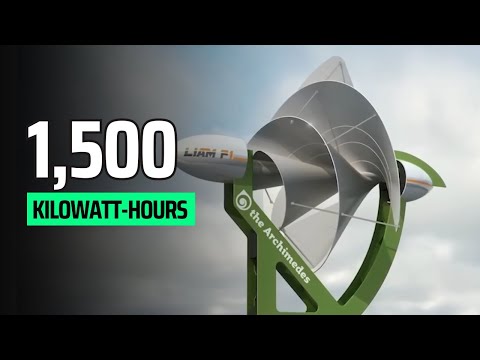
So, picture this: you’re wandering through a bustling city, right? Cars honking, people rushing by, and then—whoosh! You feel the wind tugging at your clothes. Ever thought about where that wind goes?
Well, in some places, it’s going straight into the guts of these cool, innovative urban wind turbines. Yep! Those little guys are popping up on rooftops and in parks everywhere. But what’s wild is how they’re changing the way we think about energy.
It’s not all about giant wind farms anymore. Now it’s more like, “Hey, I have a spare rooftop; let’s spin some energy out of this breeze!” So, let’s dig into why these tiny turbines are a big deal for our cities and the planet. You ready?
Exploring Cutting-Edge Innovations in Wind Turbine Technology: Advances in Renewable Energy Science
Wind turbines have come a long way, you know? They’re not just those giant towers out in the fields anymore. Recently, there’s been some really cool stuff happening in the world of urban wind turbines. These are designed to work in cities where space is limited and wind patterns are pretty tricky.
So, let’s talk about what makes these urban wind turbines special. First off, they’re usually smaller and can be placed on rooftops or other structures. This is super handy for cities packed with buildings, right? You can find them working away while blending into the urban landscape.
One big innovation is the design of these turbines. Many are now vertical-axis wind turbines (VAWTs). Unlike traditional ones that spin around a tall pole, VAWTs have blades that rotate around a vertical axis. This means they can capture wind from any direction and are often quieter too! Imagine living next to one; you wouldn’t even hear it whirring away.
Another point worth mentioning is their efficiency. Some new models can generate power even at low wind speeds! For example, tiny gusts you might feel on a calm day can still be enough to produce energy. It’s like harnessing every little bit of nature’s breath.
Then there’s the tech side: smart sensors. These sensors can monitor performance and weather conditions in real-time, optimizing the operation of the turbine. If it gets too windy or if there’s maintenance needed, these sensors send alerts so adjustments can be made promptly. That means less downtime and more energy produced!
But here’s something touching. I once heard a story about a community that installed urban wind turbines on their school rooftops. Not only did it provide energy for their classrooms, but it also became part of their educational program about renewable energy! Kids started learning about sustainability right from home.
Another fascinating aspect is how these innovations are contributing to city planning and reducing carbon footprints. By integrating renewable solutions like urban wind turbines into cityscapes, local governments take significant steps toward cleaner energy sources.
In summary:
- Urban wind turbines fit perfectly into crowded spaces.
- Vertical-axis designs enhance efficiency and minimize noise.
- Smart technology helps maximize output with real-time monitoring.
- Community installations foster education around renewable resources.
As we move forward in this field, it looks like urban wind turbines will play a pivotal role in our transition to sustainable energy sources within city settings! We gotta keep cheering them on as they grow smarter and more integrated into our lives!
Exploring the Pros and Cons of Wind Power: 5 Advantages and 5 Disadvantages in Renewable Energy Science
Wind power is one of those cool energy sources that people are really getting into these days. I mean, just think about it: harnessing the wind to generate electricity! But like everything else, it has its ups and downs. Let’s break down the pros and cons of wind power, especially when we think about those innovative urban wind turbines that are popping up in cities.
Advantages of Wind Power:
- Renewable Energy Source: Wind is abundant and, you know, it won’t run out anytime soon. As long as the sun shines and the earth spins, we’ll have wind!
- Low Operating Costs: Once you set up a wind turbine, the costs to keep it running are pretty low. You’re basically using nature’s free energy.
- Reduces Greenhouse Gas Emissions: Wind power doesn’t produce carbon dioxide while generating electricity. This means less pollution in our air and a healthier planet!
- Job Creation: The wind energy sector creates jobs in manufacturing, installation, and maintenance. That’s good news for local economies!
- Diverse Applications: Urban turbines can be placed on rooftops or integrated into buildings. They can provide power directly where it’s needed without requiring a big space.
Now, while wind power sounds super inviting, there are some challenges as well.
Disadvantages of Wind Power:
- Intermittency Issues: The wind doesn’t always blow when we need it to. This makes it tricky to rely solely on wind energy for continuous power.
- Noisy Turbines: Some people complain about noise from turbines. Imagine living near one; constant whooshing might get annoying after a while!
- Aesthetic Concerns: Not everyone finds wind turbines pretty. They can change the skyline of cities or rural areas in ways that some folks don’t appreciate.
- Biodiversity Risks: Birds and bats sometimes have bad encounters with turbines—especially large ones—as they can get injured or killed by the blades.
- Site Selection Challenges: Finding the perfect spot for a turbine in urban areas isn’t always easy due to space constraints and zoning laws.
So there you have it! The exploration of wind power showcases both its amazing potential and its obstacles. It’s all about balancing these factors as we move toward greener energy futures—and those innovative urban turbines might just be part of that solution! You see how this all connects? There’s so much to consider when talking about energy sources today!
The Significance of Wind Turbines in Modern Science and Renewable Energy Solutions
Wind turbines are like the unsung heroes of renewable energy. They catch the wind, which is basically just air moving around, and turn it into electricity. Pretty cool, huh? The idea is simple: as the blades of a turbine spin in the wind, they turn a generator which produces power. This power can be used to run homes, schools, or even entire cities.
Now, let’s talk about urban wind turbines. You know how cities are kind of packed with buildings? Well, that can actually be a challenge for traditional wind turbines that usually need wide-open spaces to work effectively. Urban wind turbines are designed to fit into these crowded spaces. They’re often smaller and can be mounted on rooftops or even integrated into buildings themselves.
One major benefit of these turbines is their ability to reduce carbon emissions. By generating clean energy locally, we decrease our reliance on fossil fuels like coal and natural gas. This is super important for tackling climate change since carbon dioxide emissions from burning these fuels are a major culprit behind global warming. So every time we use energy produced by wind instead of fossil fuels, it’s like giving the planet a little hug!
Another cool thing about urban wind turbines is their versatility. Unlike solar panels that need sunshine (which can be iffy on cloudy days), wind can blow at any time. Plus, they can work even when there’s low winds—especially the innovative designs that use less intense airflow efficiently.
Also, think about this: when more people generate their own power through local projects like these turbines, communities can become less dependent on larger power companies. It’s kind of empowering! You could say it’s reminiscent of those classic stories where small towns band together to make things better for themselves.
Of course, there are challenges too—like figuring out how much energy they really produce or dealing with noise for people living nearby. But scientists and engineers are continuously working on making them quieter and more efficient.
In summary, wind turbines, especially in urban settings, represent an innovative leap towards sustainable energy solutions. They help cut down on emissions while allowing communities to harness natural resources right where they live! It’s all about finding balance: using what nature gives us without messing up the environment in the process—you follow me?
So, let’s chat about urban wind turbines. You know, those things that spin around with the wind in cities? At first glance, they might seem a bit odd, like, why would you want a turbine in the middle of skyscrapers and busy streets? But here’s the thing: these little machines are doing some pretty cool stuff.
I remember walking through my neighborhood one day and spotting one of these turbines perched on top of a building. It was kind of mesmerizing to watch it spin. I mean, there it was—just catching the breeze while I was stuck in traffic. It made me think. Like, how wonderful is it that we’re finding ways to harness nature’s energy even in crowded places where space is limited?
Urban wind turbines aren’t just eco-friendly; they also teach us important scientific concepts. You see, they capture kinetic energy from the wind and convert it into electricity. It’s kind of like how you feel when you run down a hill—the faster you go, the more energy you have! Similarly, when air flows over the blades of these turbines, they turn and generate power.
What’s really interesting is that cities have their own unique wind patterns. Buildings can create turbulence or redirect airflow in unexpected ways. So scientists and engineers have had to get creative about designing these turbines to work efficiently within that chaos. It’s basically an ongoing challenge to make sure they’re effective even when there are lots of competing factors.
And then there’s this big picture stuff—when we talk about sustainable living and climate change solutions, these little turbines contribute to reducing our carbon footprint. Every bit helps! It’s like every time one spins slowly but surely helping to cut back on fossil fuels.
Of course, it’s not all sunshine and rainbows. There are challenges too; efficiency can be a big issue since urban areas often don’t have consistent wind flow like open fields do. Plus, there’s always concern about noise levels or aesthetics—nobody wants their city skyline cluttered with random hardware!
Still, thinking about how innovative urban wind turbines can contribute to our cities gives me hope for the future. It’s evidence that we’re trying different ways to think outside the box—or maybe outside our buildings! And every time I see one spinning away against the backdrop of concrete giants, it reminds me that science is always pushing boundaries—making our world just a little greener for everyone. So yeah, next time you see one of those turbines twirling away up high, maybe give it a nod—you never know what kind of change it might be bringing along with its breeze!