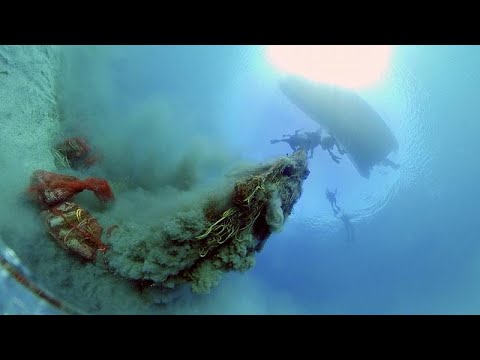
You ever been to the beach and spotted a flip-flop just chilling among the sand? Like, who loses a single flip-flop? That’s marine litter for you. It’s not just weird stuff like lonely sandals; it’s a whole world of trash floating around in our oceans.
So, here’s the thing: every year, millions of tons of litter end up in the sea. Crazy, right? I mean, it makes you wonder where all that junk comes from! It messes with marine life and even finds its way back into our food chain. Yikes!
But here’s a little glimmer of hope! People are coming up with some seriously creative solutions to tackle this problem. Innovative ideas are popping up everywhere—from techy gadgets to community clean-ups.
Let’s chat about these cool solutions and how they’re making waves in the fight against marine litter pollution!
Advanced Strategies and Innovative Solutions for Addressing Marine Litter Pollution: A Comprehensive Guide
So, marine litter pollution, huh? It’s a bit of a mess, literally. You’ve got plastic bags, bottles, and all sorts of junk floating around in our oceans. Seriously, if you’ve ever seen a beach with more trash than sand, you know what I mean. But don’t worry; there are some advanced strategies and innovative solutions that people are working on to tackle this problem!
Preventing litter at the source is one of the biggest strategies. It’s kind of like trying to stop a leak before it becomes a flood. Governments and organizations are putting laws in place to limit single-use plastics and encourage recycling. Think about it—if we use fewer plastic straws or bags right from the get-go, we can really reduce what ends up in the ocean.
Another cool approach involves community engagement. When people care about their local environment, they tend to help clean it up! Events like beach clean-ups bring folks together while raising awareness about marine litter. It’s amazing to see how passionate people can be when they realize that their actions matter.
Now let’s talk tech! There are some pretty nifty devices out there designed specifically to help clean our oceans. For instance, floating barriers can catch debris before it floats into larger bodies of water—like giant nets for the sea! These barriers allow fish and other animals to swim underneath while snagging harmful plastics.
Also, innovation isn’t just about cleaning; it involves creating alternative materials. Researchers are developing biodegradable options that break down naturally without harming marine life. Imagine using seaweed-based packaging instead of plastic! How cool would that be?
And what about waste management systems? Cities near coastlines are increasingly installing smart bins that compact waste and even sort recyclables automatically. This means less chance for trash to blow away or wash down into storm drains leading straight to the ocean.
Another fascinating concept is the circular economy. This idea revolves around rethinking how we produce and consume goods so that resources circulate rather than get wasted after one use. For example, companies could design products meant for easy repair or recycling rather than throwing them away after the first breakage.
In terms of education and outreach programs targeted at schools and local communities? Absolutely vital! These programs play a key role in teaching young people about the impact of littering on marine environments. Knowledge really is power here.
Whatever way you look at it, tackling marine litter pollution takes a mix of creativity, technology, and community effort. So next time you’re enjoying a day at the beach or by the water—take a moment to think about how you might help keep those places clean! Together we can make a difference!
Advancements in Marine Science: Innovative Strategies to Combat Marine Litter Pollution in 2022
Marine litter pollution is a big deal, and it’s been grabbing headlines for a while now. In 2022, scientists and researchers made some pretty cool advancements in marine science to tackle this issue. They’re using innovative strategies that are not just effective but also inspiring.
One approach that’s gaining traction is the development of biodegradable materials. Traditional plastics are super harmful to marine life; they can take hundreds of years to break down. But researchers have been working on materials made from natural substances, like seaweed or cornstarch. These alternatives can degrade more quickly in water and soil, which is a game-changer for reducing long-term pollution.
Another key strategy involves using technology. Drones and underwater robots have become invaluable tools for monitoring litter hotspots in oceans and rivers. Imagine sending a drone out to map debris accumulation—it’s like having eyes in places we can’t easily reach! This tech can help communities understand where pollution is coming from and how best to address it.
Also, you know those community clean-up initiatives? They’ve been stepped up significantly thanks to social media campaigns. People are really coming together—families, schools, even companies—to participate in clean-ups. Social platforms let them share their efforts easily, inspiring others to join the cause. It’s about creating a culture where keeping our oceans clean feels rewarding!
Now let’s talk about education. Programs aimed at raising awareness among young people have become crucial as well. Schools are teaching kids about the importance of protecting marine environments through fun activities, like beach clean-ups or art projects using recycled materials. It’s all about fostering respect for nature early on so that future generations think long-term.
But that’s not all! Policy changes also play a big role in combating marine litter pollution. Some places have implemented stricter regulations on plastic use and waste management systems. For instance, certain countries banned single-use plastics altogether—this pushes businesses toward more sustainable practices while helping citizens reduce waste.
So yeah, combining tech with community effort and education seems to be the way forward! It’s heartening to see so many passionate people trying new things to protect our oceans—you feel inspired just thinking about it, right? Every little bit counts when it comes down to saving our planet’s precious waters from being choked by trash!
Cutting-Edge Strategies to Address Marine Litter Pollution: Insights from 2021 Research
Marine litter pollution is a serious issue that affects our oceans and waterways. You might remember that feeling you got when you saw a beach covered in plastic waste. It’s frustrating, right? Well, let’s talk about what scientists and researchers have been doing to tackle this problem, especially the insights from research done in 2021.
One of the key findings is that prevention is better than cure. Instead of just cleaning up after the fact, we need to stop the litter from reaching our oceans in the first place. Researchers have been looking into ways to improve waste management systems so less plastic ends up in waterways. This includes things like better recycling programs and community engagement to encourage responsible disposal.
Another interesting approach is using biodegradable materials. There’s been a push towards developing materials that can break down more easily in the environment. For instance, some studies have shown how certain types of bioplastics could replace traditional plastics, reducing long-lasting pollution. Imagine a world where your takeaway containers dissolve instead of lingering around for hundreds of years!
Also, technology plays a huge role here. In 2021, we saw innovations like drone technology being used to monitor litter hotspots along coastlines. Drones can cover vast areas quickly and help identify where clean-up efforts are most needed. It’s pretty cool, right? They’re basically like high-tech eyes in the sky.
Another fascinating strategy focuses on community-driven initiatives. Local communities often know their own environments best, so involving them in clean-up drives can be super effective. In some regions, organizations mobilized volunteers for coastal clean-up events while also educating them about the impacts of littering.
There are also efforts aimed at ocean cleanup technologies. For example, floating barriers have been deployed in major rivers to capture plastic before it reaches the sea. These barriers collect debris and make it easier for teams to remove it efficiently—it’s like putting a net around your fish bowl!
Lastly, there’s an ever-growing emphasis on education and awareness. Educating younger generations about the importance of protecting our marine environments can lead to more sustainable behaviors over time. It’s all about planting those seeds early!
So yeah, by blending innovative technology with community action and education efforts, researchers are working hard to combat marine litter pollution effectively. And who knows? Maybe one day we’ll look back at these strategies as game-changers for our oceans!
Marine litter pollution is like that uninvited guest that just won’t leave the party. You know, one of those situations where you look around and think, “What’s going on here?” It’s heartbreaking, honestly. A couple of years back, I went to the beach with some friends for a day of sun and surf. We set up our towels, ready to soak up the rays and maybe take a dip in the ocean. But then, I started noticing all the plastic bottles, wrappers, and other junk scattered along the shore. It really hit me how much our careless habits affect these beautiful ecosystems.
Anyway, let’s chat about what’s being done about all this litter. People are really stepping up their game with some pretty creative ideas. Like, have you heard of organizations using drones to monitor litter? Yeah! Imagine flying over beaches or even remote ocean areas with drones that can spot pollution from above. It’s like having an eagle eye for trash! This technology helps us figure out where all this rubbish is coming from so we can tackle it at the source.
There are also some innovative cleanup methods popping up! Some folks are using giant floating barriers called booms to catch debris before it can enter sensitive areas like estuaries or coral reefs. So cool! And then there are these underwater robots that can navigate through tricky waters and pick up trash—it’s like something out of a sci-fi movie.
Oh! And let’s not forget about community initiatives where local residents get together for beach cleanups. It’s amazing how much difference people can make when they unite for a cause they care about. I remember my own cleanup experience; we pulled together tons of garbage in just a few hours—and it felt good knowing we were protecting our planet at least a little bit.
But it’s not just about cleaning up after ourselves; education plays a huge role too. Teaching kids about recycling, waste management, and why plastic-free alternatives matter could shape future generations who care more about their environment—like planting seeds for change!
While there’s no magic fix to marine litter pollution overnight, it reassures me that there’s hope in innovation and community efforts combined. We just need more eyes on this issue—people who aren’t afraid to roll up their sleeves and get involved! The ocean gives so much to us; it’s high time we give back by keeping it clean for its countless inhabitants and future beach-goers alike.