So, here’s a funny thing. The other day, I accidentally dropped my phone while trying to take a selfie. You know how it is—trying to get the perfect angle. Anyway, it smashed on the ground and I thought, “Wow, this is just like atoms crashing into each other!”
Yeah, I know that sounds a bit wild. But seriously, everything around you? It’s all made up of tiny particles called atoms. And these little guys are not just hanging out; they’re doing some pretty amazing stuff!
Think about it: without understanding atomic structure, we wouldn’t have cool things like smartphones or even medicine that can save lives. Isn’t that mind-blowing?
So come along as we unravel why atomic structure isn’t just some boring science lesson but a big deal in our everyday lives!
Understanding the Significance of Atomic Structure in the Field of Science
Atomic structure is like the foundational storybook of everything in science. It explains how matter is built, which is pretty crucial, right? So, picture atoms as tiny building blocks. They’re super small, yet they make up everything around us—your phone, your coffee, and even you!
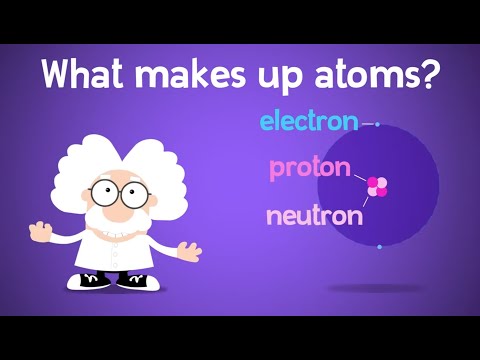
When we talk about atomic structure, we’re diving into what atoms are made of. Atoms consist of three primary particles: **protons**, **neutrons**, and **electrons**. Protons have a positive charge and hang out in the nucleus along with neutrons, which are neutral and don’t have a charge at all. Electrons are those speedy little guys zipping around the nucleus. The number of protons determines what element an atom represents. For instance, if an atom has one proton, it’s hydrogen; if it has six protons, it’s carbon.
Now, why does atomic structure matter so much? Well, it’s not just a boring detail from chemistry class; it has real-world significance! Here are a few reasons:
- Understanding Elements: The arrangement of electrons helps determine how elements interact with each other. Whether they’ll bond or repel can depend on this arrangement.
- Chemical Reactions: Atoms bond through their electrons in various ways—ionic bonds (where electrons are transferred) or covalent bonds (where they’re shared). This bonding is at the heart of all chemical reactions.
- Technology Development: From semiconductors in electronics to pharmaceuticals that cure diseases, understanding atomic structure paves the way for tech advancements.
- Nuclear Energy: The nucleus can be split or fused to release energy. This principle fuels everything from nuclear power plants to the sun itself.
Let’s not forget about **isotopes**! These guys are atoms of the same element but with different numbers of neutrons. They have unique properties that scientists use in medicine and archaeology (think carbon dating).
I remember my high school chemistry teacher trying to explain this concept using candy—like M&Ms representing protons and Skittles for neutrons. She showed us how changing one candy could create a different “flavor” or element altogether! It stuck with me because it made understanding atomic interactions feel more tangible.
So basically, grasping atomic structure gives you insight into how everything works at a molecular level—from why leaves change color in autumn to how medicines affect your body. It’s like having a map to navigate through the vast territory of science!
In short, without understanding atomic structure, we’d be wandering around lost in science land without any sense of direction or connection to the world around us!
The Significance of Atomic Theory in Modern Scientific Advancements
Atomic theory is like the backbone of modern science. Seriously, it’s everywhere! At its core, atomic theory tells us that everything in the universe is made up of tiny particles called atoms. Yeah, it sounds simple, but this idea has shaped so much of what we know today!
So, when we talk about the significance of atomic theory in modern scientific advancements, there are a few key areas where it really shines:
- Understanding Matter: Everything around you—your phone, water, even air—is made of atoms. Atomic theory helps us understand how these atoms bond and interact. You know that feeling when you mix vinegar and baking soda? It’s all about the atoms reacting!
- Medical Innovations: Atomic theory is behind many medical breakthroughs. For example, X-rays work because of how atoms absorb and emit radiation. This knowledge lets doctors see inside your body without surgery, which is pretty mind-blowing!
- Energy Production: When we talk about nuclear energy, it’s all about splitting or fusing atoms. That process releases a ton of energy—imagine powering a whole city from just a few atoms! It’s both powerful and scary at the same time.
- Chemistry and Materials Science: Everything from smartphones to super-strong materials relies on how atoms behave. Scientists manipulate atomic structures to create new alloys or nanomaterials that can change our technology game.
Let me share something personal here. I remember sitting in a high school chemistry class trying to grasp this whole atomic structure thing. My teacher made us model our own atoms with colored balls for protons, neutrons, and electrons—it was messy but fun! That hands-on experience showed me how real these tiny particles are.
Another key point is sustainability. Researchers use atomic theory to develop renewable energy sources and understand chemical processes better. For instance, solar panels are built on principles derived from these tiny particles interacting with light.
Plus, atomic theory isn’t just confined to physics or chemistry; it crosses into other fields too! Environmental science uses this understanding to tackle pollution—think about how molecules break down in nature.
In summary, atomic theory isn’t just a bunch of scientific jargon; it’s at the heart of what makes modern science tick! From medicine to energy production to materials science and beyond—the significance here can’t be overstated at all. So next time you take a sip of water or charge your phone, think about those little atoms working hard for us every day!
Understanding the Significance of Atomic Number in Modern Scientific Research and Periodic Trends
The atomic number is a big deal in chemistry and physics. It’s like the ID card for every element on the periodic table. So, what’s an atomic number? Well, it’s simply the number of protons found in the nucleus of an atom. This little number not only identifies an element but also tells you a whole lot about its chemical properties.
When it comes to modern scientific research, the atomic number plays a crucial role. You see, it determines how elements interact with each other, which is super important when you’re trying to create new materials or understand reactions, you know? For instance:
- Element Identification: Each element has its unique atomic number. Hydrogen is 1, Helium is 2, and Oxygen is 8. Knowing this can help chemists quickly identify substances.
- Chemical Behavior: Elements with similar atomic numbers often have similar properties. This is why we group them into families on the periodic table.
- Isotope Variation: Variations in atomic structure can lead to isotopes, which have the same atomic number but different mass numbers. That’s crucial for things like radiocarbon dating.
There’s more! The atomic number also helps us understand periodic trends. Elements arranged by increasing atomic numbers show patterns in their properties—like electronegativity and ionization energy—which are super helpful when predicting how they’ll react.
Take sodium (Na) and chlorine (Cl), for example. Sodium has an atomic number of 11, while chlorine has one of 17. When they come together to form sodium chloride (table salt), their characteristics change dramatically! Sodium wants to lose that one electron from its outer shell while chlorine wants to gain one—boom! They react and make something entirely new.
Periodicity refers to these recurring trends in elemental properties as you move across or down the table. You can see it clearly when looking at group behavior or periods:
- Atomic Radius: Generally increases down a group due to added electron shells.
- Ionic Charge: The charge that elements take on also follows certain patterns based on their positions.
Have you ever looked closely at where an element sits on the periodic table? It almost feels alive how those properties shift from left to right or top to bottom.
When you’re exploring innovative materials—like those used in batteries or pharmaceuticals—the significance of both **atomic structure** and **atomic number** can’t be overstated. Researchers leverage these ideas all the time! It’s like having a backstage pass that lets them unlock new possibilities just by understanding elemental behavior.
Finally, here’s where it gets really exciting: all these aspects come together in fields like nanotechnology and biochemistry, too! They rely heavily on manipulating atoms at a very small scale based on their structures and numbers. So yes, while it may sound basic at first glance, grasping the significance of the atomic number opens doors everywhere in science today—you follow me?
In short, knowing what’s going on with atomic numbers gives scientists tools not just for today but also lays out pathways for discoveries tomorrow, making this topic way more significant than you might think!
You know, when you think about it, atomic structure is like the blueprint for everything around us. It’s kind of mind-blowing. I remember back in school when we learned about atoms for the first time—I was sitting there, feeling a mix of confusion and awe. Like, how could something so tiny have such a massive impact?
So, here’s the deal: everything you see, touch, or even breathe is made up of atoms. These little guys are packed with protons and neutrons in their nucleus, while electrons zip around them in shells. Sounds simple enough, right? But then you realize that those arrangements and interactions give rise to all sorts of materials and behaviors we encounter daily.
In modern science, understanding atomic structure isn’t just some academic exercise. Think about medicine; it’s vital! The way atoms bond together determines how treatments work in our bodies or how drugs interact with cells. If you’ve ever been sick and needed medication to feel better, well—yep—you can thank atomic theory for that.
And let’s not overlook technology. Our gadgets are basically the result of manipulating atoms at different levels. From smartphones to renewable energy sources like solar panels—all these advances depend on principles rooted in atomic structure. It feels like magic when you realize that your phone is essentially a super complex dance involving billions of atoms working together harmoniously.
But there’s also this emotional side to it—the realization that you’re part of something so much bigger than yourself. You’re made from stardust! It’s like we’re all connected through this intricate web of particles bouncing around in the universe.
So yeah, while we sometimes take atomic structure for granted or think it’s just something scientists obsess over in labs, it really shapes our lives and future more than most people realize. It’s fascinating how something invisible can be so significant! What do you think? Isn’t it wild to consider the implications of these tiny building blocks on our everyday lives?