You know that moment when you look at a shiny car and think, “Wow, that’s some serious metal”? Well, metal isn’t just cool to look at; it’s got this whole bonding thing going on that’s pretty wild.
Imagine a group of enthusiastic friends sharing snacks at a party. They’re all together, moving around but still close. That’s kinda what metallic bonding is like. It’s all about the positive and negative charges playing this brilliant game of tug-of-war.
But wait! The visuals can really help us wrap our heads around it. Diagrams can show us where those electrons are hangin’ out and how metals get their strength and conductivity. So let’s get into it—because honestly, visualizing stuff is way more fun than just staring at words!
Understanding Metallic Bonding: A Comprehensive Diagram and Explanation
So, metallic bonding, huh? Let’s break it down and make it as clear as possible. Basically, this type of bonding is what keeps metals together and gives them their shiny appearance and strength. Imagine you’re at a concert, all your friends are swaying together to the beat — that’s kind of like how metallic bonds work!
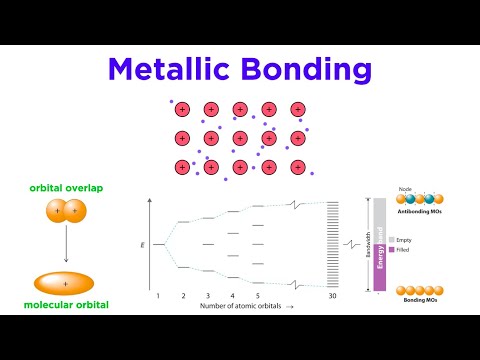
First off, what is metallic bonding? Well, in metallic solids, atoms lose some of their electrons. These free electrons create what we call an “electron sea.” Picture a bunch of marbles (the positive metal ions) floating in a pool (the sea of electrons). This creates a strong connection between the metal ions that holds everything together tightly.
Now, let’s highlight some key features:
- The Electron Sea Model: This model explains how those delocalized electrons allow metals to conduct electricity and heat well. It’s like having a bunch of friendly fish swimming around that can easily pass messages to one another!
- Malleability and Ductility: Metals can be hammered into shapes or drawn into wires without breaking. That’s because the layers of atoms can slide over each other without losing their bonds completely.
- High Melting Points: Metallic bonds are really strong! That’s why metals usually have high melting points; it takes lots of heat energy to break those bonds apart.
So why does this matter? Imagine you’ve got an old bicycle with steel rims. The reason they can handle lots of stress without snapping is all thanks to these metallic bonds! You could say they’re like the loyal friends that hold everything together during a rough ride.
Now, if we visualize this with a diagram (that we’re not actually drawing here but just talking about), you’d see metal ions arranged in a regular pattern surrounded by that sea of electrons. The positive charges from the ions pull in those negatively charged electrons from all around them — that’s what gives metals their stability.
It’s also worth mentioning that not all metals bond the same way; different metals have different strengths or arrangements in terms of these bonds. For example, copper is great for wiring because it conducts electricity super well due to its very mobile electron sea.
In simpler terms, think about when you’re at home playing video games with your buddies online; everyone sends signals back and forth seamlessly because you’re all connected through the internet — just like those electrons doing their thing among metal atoms.
So next time you pick up something made of metal—like your trusty old keys—remember there’s more than meets the eye holding it all together!
Understanding Metallic Bonding: A Comprehensive Labelled Diagram for Science Education
Understanding metallic bonding is like peeking behind the curtain of how some of our favorite materials work. You know, metals like gold, silver, and aluminum? They’ve got this unique bonding style that sets them apart. So, let’s break it down.
What is Metallic Bonding?
In simple terms, think of metallic bonding as a team effort among metal atoms. Instead of holding onto their electrons tightly like in ionic or covalent bonds, these atoms share their electrons in a sort of communal pool. This creates what we call an “electron sea.” Imagine it as a party where everyone’s sharing snacks – you can grab what you want anytime!
Structure Matters
Metals have a crystal lattice structure, which means the atoms are arranged in an orderly pattern. They stack neatly together, and this arrangement helps with strength and conductivity. You see, when these atoms share their electrons freely, they can move around easily. That’s why metals are so good at conducting electricity; the electrons flow like water through a pipe.
Key Characteristics
Here’s where it gets really cool! Metallic bonds give rise to some fantastic properties:
- Malleability: You can hammer metals into thin sheets without breaking them.
- Ductility: Metals can be stretched into wires without snapping.
- Luster: They shine and reflect light beautifully.
- Conductivity: They transmit heat and electricity really well.
All these properties come from that shared electron sea. So when you bang on a metal or pull it apart, those flexible bonds allow for movement without tearing everything apart.
Anecdote Time!
I once tried to make an artsy project using aluminum foil – you know how shiny it is? I thought I could twist and turn it into something cool without ripping it apart. Turns out that malleability was at play there! The foil bent easily but never tore; I ended up making this funky sculpture instead!
The Importance of Metallic Bonding
From everyday items like cans and keys to complex machinery and electronics, metallic bonding is everywhere! It allows us to utilize metals for countless applications because they combine strength with flexibility.
So next time you’re using something made of metal or just admiring its shiny surface, remember this: behind that shine lies some fascinating science!
Exploring Examples of Metallic Bonds: Insights into Atomic Interactions in Science
Metallic bonds are super interesting! At their core, they’re all about how metal atoms stick together. Think of it like a party where everyone brings something to share, but instead of food or drinks, it’s electrons. These electrons float around in what we call a “sea” of electrons, which holds the metal atoms together. Let’s break it down a bit.
What are Metallic Bonds?
So, when we talk about metallic bonding, we mean the attraction between positively charged metal ions and the free-moving electrons. Each atom gives away some of its electrons to this shared pool, creating an almost magical web that holds everything together. This is what gives metals their unique properties like ductility (you know, stretching into wires) and malleability (bending into shape without breaking).
Key Characteristics:
- Electrical Conductivity: Metals can conduct electricity because those free electrons can move easily.
- Thermal Conductivity:This same reason makes them great at conducting heat!
- Luster: Metallic bonds give metals that shiny appearance because they reflect light well.
- Ductile and Malleable: The structure allows metals to be stretched or shaped without shattering.
Here’s a cool anecdote! I remember my high school science teacher demonstrating metallic bonding with some copper wire. He stretched it out in front of us and said something like, “Imagine trying to pull apart this wire; it won’t break easily!” That visual really stuck with me—it showed how strong these bonds can be.
Visualizing Metallic Bonding:
Now you might wonder how we visualize these atomic interactions. Diagrams often depict metal atoms surrounded by a cloud of their free-moving electrons. It’s a bit abstract but helps in understanding how the bonds form.
In illustrations:
- You’d typically see several positive ions (the metal atoms) within a negative electron cloud.
- The attractive forces between these particles explain why metals can hold up under pressure or heat.
Take sodium and chlorine for example: when sodium loses one electron to become Na+, it doesn’t have that hang-on, you know? But when you look at metals like iron or copper, they easily share many more electrons in that sea-like fashion.
Examples of Metals with Strong Metallic Bonds:
– **Iron:** Used in construction; super strong due to its tightly packed metallic bonds.
– **Copper:** Excellent conductor; widely used in electrical wiring.
– **Aluminum:** Lightweight yet strong—ideal for airplanes!
It’s wild how all this connects back to everyday materials we use! When you think about tools, wires, and even cooking utensils made from metal—they all rely on these powerful atomic interactions.
So yeah, metallic bonding is not just about atoms hanging out together; it’s really fundamental for understanding why metals behave the way they do in our daily lives. The next time you pick up something made of metal, remember there is so much going on at the atomic level!
You know, when I think about metallic bonding, it kind of blows my mind how these tiny particles work together to form all the metals we use every day. Picture this: you’re in a bustling city like New York. Just like the people moving around, atoms in a metal are constantly shifting and interacting with one another. But what holds them together? That’s where metallic bonding comes into play.
So what exactly is metallic bonding? Imagine you have a group of friends hanging out at a party, right? Instead of everyone sticking closely to one buddy, they share their snacks and music vibes with each other—this connection creates an easygoing atmosphere. In metals, you have positively charged metal ions surrounded by this “sea of electrons.” Those electrons aren’t tied down; they move freely around the ions. It’s like everyone at the party having a great time without being chained to one spot!
Now, if we dive into diagrams that visualize this process, things get really interesting. You see those diagrams showing those floating electrons and metal ions? They kinda make everything clearer! When you look at them closely, you can visualize how strong yet flexible metals are.
Remember that time when I tried making a homemade knife from some scrap metal? As I hammered it out, I thought about how those layers of atoms shift and slide over each other—thanks to metallic bonds! When I finally finished and held that shiny tool in my hand, it felt like magic. It’s not just about strength; it’s also about ductility—the ability to be stretched into shapes without breaking.
Diagrams help us understand these properties visually—it’s like having a cheat sheet during an exam! And while those technical terms can sound daunting at first glance, seeing them laid out really tells the story behind why metals behave the way they do. The details become clear when you can actually track how those electron seas interact with the positive ions.
In short, visualizing metallic bonding through detailed diagrams isn’t just academic mumbo jumbo; it’s essential for grasping concepts that impact our daily lives—from phones to cars and everything in between. And isn’t it cool how something so microscopic influences our everyday experiences? It really makes you appreciate the world around you just a little bit more!