So, here’s a fun little fact: did you know that magnesium oxide is like the superhero of the chemical world? Seriously! It’s in things like fireworks and even in your antacids.
Now, I remember this one time when I tried to impress my friends by making a homemade volcano. You know, baking soda, vinegar, all that jazz? But instead of an eruption, I ended up with a fizzy mess. That’s when I learned about the wonders of chemical reactions and bonding!
Magnesium oxide ties into this whole chemistry thing really well. Basically, it’s formed through ionic bonding—like two opposites attracting and creating something solid. Cute, right? Let’s dig in a little deeper into what makes magnesium oxide tick and why its bonding characteristics are so cool!
Ionic Bonding in Magnesium Oxide: A Comprehensive Analysis in Chemistry
Let’s chat about ionic bonding, specifically in magnesium oxide (MgO). It’s a really neat topic, and understanding it can make you appreciate chemistry a little more!
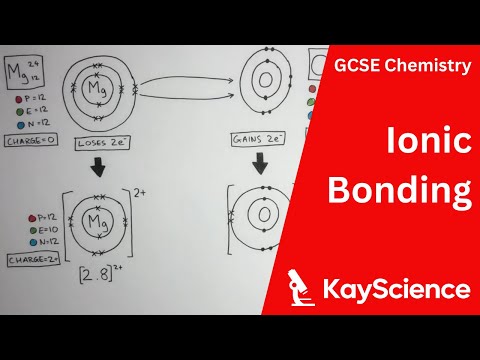
Magnesium oxide is formed from magnesium and oxygen. Now, these elements are pretty different in terms of their behavior. Magnesium is a metal, which means it has some unique properties. But what might surprise you is that it loves to give away electrons. When magnesium bonds with oxygen, it does exactly that.
So here’s the deal: magnesium has two electrons in its outer shell. By giving those two electrons away, it transforms into a positively charged ion called Mg²⁺. This process can be likened to passing the baton in a race; magnesium passes off those electrons. And guess what? Oxygen loves to gain electrons. Like a magnet! It needs two more electrons to fill up its outer shell and become stable.
This is where the magic happens—oxygen grabs those two electrons from magnesium and becomes a negatively charged ion known as O²⁻. Now we have two oppositely charged ions: Mg²⁺ and O²⁻. You see what’s going on here? They’re like best buddies now! The strong attraction between them forms an ionic bond.
- Ionic bonds: These are created due to the electrostatic force between positively and negatively charged ions.
- Lattice Structure: In MgO, these ions arrange themselves in a very specific geometric pattern known as a lattice structure—which helps make this compound solid at room temperature.
- Properties of MgO: Thanks to ionic bonding, magnesium oxide is not just stable but also has high melting and boiling points. It takes quite a bit of heat to break those bonds!
I remember back in school when we used to touch different compounds during our chemistry labs—it was so cool! One time I touched some magnesium pieces before they got flared up by our teacher’s Bunsen burner. Just thinking about how pristine they looked before reacting makes me smile now!
The resulting compound MgO isn’t just some boring stuff either; it plays important roles both in nature and industry—from being used as an antacid to helping plants grow better when added as fertilizer.
A final point worth mentioning is that ionic compounds like MgO tend to dissolve well in water but don’t conduct electricity until they’re dissolved or melted. That’s because the ions can move freely then—something they can’t do when all packed together tightly in that lattice structure.
If you combine all this information, you’ll see how ionic bonding creates not just simple compounds but essentials for life! So next time you hear “magnesium oxide,” think of those tiny electron-transfer moments making something big happen—in your body or out there in the world!
Understanding the Key Characteristics of Ionic Bonding in Chemistry
Alright, let’s get into the nitty-gritty of ionic bonding, especially when we’re talking about magnesium oxide. You might have heard of ionic bonding as a way atoms stick together kinda like best buddies. But it’s actually more like a tug-of-war game, where one side is just way stronger!
In the world of chemistry, ionic bonds form between metals and non-metals. In our case, magnesium (a metal) and oxygen (a non-metal) play the starring roles. Here’s how it goes down:
- Electron Transfer: Magnesium has two electrons in its outer shell and wants to get rid of them because having a full shell is super comfy. Oxygen needs two electrons to fill its shell. So magnesium tosses those two electrons over to oxygen.
- Ions Formation: When magnesium loses those electrons, it becomes a positively charged ion (Mg²⁺). On the flip side, oxygen gains those electrons and turns into a negatively charged ion (O²⁻). Opposites attract here!
- Electrostatic Attraction: Once you have these charged ions floating around, they feel this strong pull towards each other because one is positive and the other is negative. This pull creates what we call an ionic bond.
You know that feeling when you meet someone who just gets you? That’s basically what happens with these ions! They’re drawn together so strongly that they form a stable compound: magnesium oxide.
The resulting compound isn’t just some random mix; it actually has some pretty cool properties thanks to its ionic bonding. For instance:
- High Melting and Boiling Points: Magnesium oxide has high melting and boiling points because the ionic bonds are super strong. It takes a lot of heat energy to break that bond apart!
- Electrical Conductivity: In solid form, magnesium oxide doesn’t conduct electricity well because the ions are fixed in place. But when melted or dissolved in water, those ions can move freely, allowing electricity to flow.
- Cristalline Structure: The arrangement of ions in magnesium oxide forms a crystalline structure which means it looks nice and orderly at the atomic level.
A little personal story here: I remember conducting an experiment in school where we created our own salt crystals from sodium chloride—another example of ionic bonding! It was thrilling watching them form slowly over days; made me realize how captivating chemistry can be! Okay, back on track.
The bottom line is that understanding how sodium turns into bonds helps us see just how essential these interactions are in creating materials around us. Whether it’s salt or magnesium oxide, ionic bonding plays a huge role in shaping our world.
This whole process—electron transfer leading to ion formation and then covalent attraction—shows why knowing about these bonds is important for grasping basic chemistry concepts!
Main takeaway? Ionic bonding is all about that push-and-pull dynamic between different types of atoms coming together to create something stronger than each on their own.
Understanding Magnesium Oxide: Exploring Its Bonding Characteristics in Inorganic Chemistry
Alright, let’s talk about magnesium oxide, or MgO for short. This compound is pretty interesting in the world of inorganic chemistry. So, what’s the deal with it? Well, magnesium oxide is formed when magnesium combines with oxygen. But how does that actually happen?
The bonding characteristics of magnesium oxide are primarily based on ionic bonding. You see, ionic bonds form when one atom gives up an electron and another takes it. In the case of MgO, magnesium has two electrons in its outer shell—these are sometimes called valence electrons. It’s like magnesium is saying, “Hey, I don’t need these.”
When it meets oxygen, which really wants to gain electrons to fill its outer shell—it has six already—it snatches those two electrons away from magnesium! This results in a positively charged magnesium ion (Mg²⁺) and a negatively charged oxide ion (O²⁻). Like opposites attract, right? So they stick together tight. Super tight.
You might be wondering why ionic bonds are important here. Well, they tend to have strong interactions because of that positive and negative charge attraction. You know how you can pull two magnets apart but they want to snap back together? That’s similar to what happens in ionic compounds like MgO.
- High Melting Point: Because these ionic bonds are so strong, magnesium oxide has a really high melting point—about 2800 degrees Celsius! Just think about how hot that is.
- Brittleness: Another cool thing? Ionic compounds are often brittle. If you apply pressure on MgO crystals, they’ll break instead of bending.
- Electrical Conductivity: While solid MgO doesn’t conduct electricity well (because the ions can’t move freely), if you melt it or dissolve it in water—bam!—it conducts electricity since those ions can move around freely.
An anecdote that comes to mind is when I first tried making homemade ice cream using rock salt (which contains sodium chloride). I learned then that mixing salt with ice lowers the freezing point—just like how MgO behaves differently at various temperature levels due to its ionic nature!
If we zoom out a bit and look at where you might find magnesium oxide in real life—it’s everywhere! From being used in refractory materials that line furnaces to acting as a dietary supplement (it helps with things like muscle function), MgO really shows off its utility.
So next time you hear about magnesium oxide or see it around, remember those strong ionic bonds forming between elements and all those unique properties coming from them. They make this simple compound seriously impressive!
So, magnesium oxide, huh? It’s that powdery stuff you often find in supplements and some antacids. But there’s way more to it than just being a kitchen cabinet hero. The chemistry behind magnesium oxide is super interesting, especially when you dig into how it forms through ionic bonding.
Alright, so imagine magnesium, the element that’s got 12 protons and usually two electrons hanging out in its outer shell. This little guy loves to shed those two electrons. When it does, it transforms into a positively charged ion—like it’s flexing at the gym! On the other side, you have oxygen. With 8 protons in its core and needing two extra electrons to fill its outer shell, it’s kind of like that person who always wants more snacks at a party. So when magnesium gives away its electrons, oxygen is all like “Yes! Finally!” It takes those electrons and becomes negatively charged.
This tug-of-war between the positively charged magnesium ions and negatively charged oxide ions creates something called ionic bonds. Picture them holding hands tightly—like best buddies that can’t stand being apart! What’s cool is this bond makes magnesium oxide really stable and gives it some unique properties.
I remember some time back when I was trying to cook something fancy for dinner (spoiler alert: it didn’t go well). I accidentally mixed up my baking soda with baking powder—terrible combo! But what sticks with me from that particular disaster is how chemistry influences our everyday lives. In recipes or even in the medicine cabinet, compounds like magnesium oxide end up playing essential roles without us noticing how complex their formations are.
And, yeah, there’s also this thing about how magnesium oxide has a high melting point because of those strong ionic bonds binding the atoms together tightly. That means it’s not going anywhere easily under heat—definitely a resilient dude in the chemical world!
So next time you see magnesium oxide on a label or hear someone mention it in a conversation about science (or disastrous cooking attempts), you’ll know there’s more than meets the eye with this compound! It’s all about those ions doing their dance and finding a balance while creating something we definitely can’t overlook. Isn’t that kind of cool?