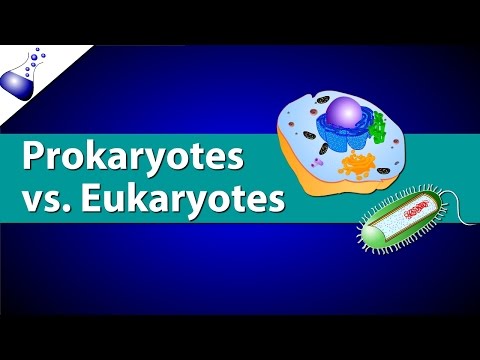
Okay, so picture this: you’re out in nature, surrounded by trees, wildflowers, and… invisible tiny organisms doing their thing. Yeah, I’m talking about prokaryotic cells! Sounds super nerdy, right? But here’s the kicker—they’re basically the superheroes of the microbial world.
You know those little critters that can survive in boiling hot springs or freezing Arctic ice? Yup, they’re mostly made up of prokaryotes. Crazy how something so small can be such a big deal!
So let’s take a chill moment to explore what makes these cells tick. Spoiler: they don’t have flashy stuff like a nucleus or fancy organelles—nope, they’re more about that minimalist life. Ready to dig into the wonders of these tiny powerhouses?
Key Characteristics of Prokaryotic Cells: Insights into the Fundamentals of Microbial Life
Sure! Let’s talk about prokaryotic cells. These little guys are like the unsung heroes of the microbial world, playing crucial roles in ecosystems and our own bodies. So, let’s break down their key characteristics, which are pretty fascinating if you ask me.
Cell Structure: Prokaryotic cells are generally simpler than eukaryotic ones. They don’t have a nucleus or any membrane-bound organelles. You could think of them as a one-room studio apartment, where everything is in one space and not divided into separate rooms. Their DNA is found floating around in the cytoplasm, mostly in a region known as the nucleoid.
Size: If you’ve ever looked at a speck of dust under a microscope, you might see some prokaryotes chilling there. They’re usually pretty tiny—between 0.1 to 5 micrometers in diameter! That’s smaller than most eukaryotic cells, like plant or animal cells, which can be ten times larger or more.
Reproduction: Prokaryotes have their own style of reproduction called binary fission. It’s kind of like copying yourself—one cell splits into two genetically identical cells. This process is super fast; some bacteria can double in number every 20 minutes under the right conditions!
Metabolism: Prokaryotes are extremely versatile when it comes to energy sources. Some need oxygen (aerobic), while others thrive without it (anaerobic). There are also those that can switch between both depending on their environment! For instance, certain bacteria can even eat metals or toxic substances—how cool is that?
Cell Wall Composition: Most prokaryotic cells have a rigid cell wall that gives them shape and protection. This wall is often made up of peptidoglycan—a protein-sugar mix unique to bacteria. It’s what keeps them safe from harsh conditions. Some bacterial species even use this feature to their advantage by forming spores when things get tough.
Genetic Material: Besides the main chunk of DNA, many prokaryotes also carry plasmids—small loops of DNA that can be traded between cells. Plasmids often contain genes that provide advantages, such as antibiotic resistance or new metabolic abilities.
Diversity: The diversity among prokaryotes is incredible! You’ve got bacteria and archaea—two main branches on the tree of life with different evolutionary histories and traits. Archaea often live in extreme environments like hot springs or salty lakes; they’re tough cookies!
In short, prokaryotic cells may be simple structures compared to eukaryotes but they’re packed with unique features that make them essential for life on Earth. Whether they’re breaking down waste or helping you digest food, these tiny powerhouses show just how amazing microbial life can be!
Key Characteristics of Prokaryotic Cells: A Comprehensive Overview in Cellular Biology
Sure! Let’s chat about prokaryotic cells, those tiny creatures that are like the rock stars of the cell world. Seriously, they’re everywhere! If you’ve ever thought about what makes them tick, here’s a breakdown.
Prokaryotic cells are basically the simplest form of life. They’re like the no-frills version of cells. One of their coolest traits is that they lack a nucleus. Instead of having their genetic material neatly packed away in a membrane-bound ball, it just floats around in the cell’s cytoplasm. Think of it as a big open area where everything is mixed up!
Another thing to know is how small they are. We’re talking usually between 0.1 to 5 micrometers in size—tiny enough to swim in a single droplet of water! And don’t let their size fool you; these cells do some heavy lifting when it comes to life on Earth.
Moreover, prokaryotic cells have a pretty simple structure but are still super effective at what they do. They consist mainly of three things:
- Cell Membrane: This is like a security gate for the cell. It controls what goes in and out.
- Cytoplasm: This jelly-like substance fills up the inside space and contains all kinds of important stuff needed for survival.
- Genetic Material: Often found in one circular chromosome along with some little extra pieces called plasmids, which can carry genes that help bacteria survive tough situations.
Now let’s talk about that protective layer surrounding prokaryotic cells: the cell wall. It provides structure and protection from environmental stresses. This wall can be made up of different materials depending on whether you’re dealing with bacteria or archaea—yes, there’s this cool group called archaea that live in extreme places! Some live in boiling hot springs while others thrive in salty lakes.
Speaking of bacteria, you might have heard there are two main types based on their cell wall structure: gram-positive and gram-negative bacteria. Gram-positive ones have thick walls that trap dyes used during testing, while gram-negative ones have thinner walls and an outer membrane that can make them more resistant to antibiotics.
And get this: many prokaryotes can also move around thanks to structures called flagella. These are like little tails that whip around and help them swim through liquids. Imagine how quick these little guys must be!
Lastly, let’s not forget about reproduction. Prokaryotic cells mostly reproduce through something called binary fission, which is kind of like splitting in half—super efficient! One cell becomes two identical ones in no time at all.
So there you have it—a glimpse into the tiny world of prokaryotic cells! They’re simple yet incredibly diverse organisms playing vital roles everywhere from your gut to extreme environments on Earth! You see? The world is full of fascinating stuff when we look closely enough!
Exploring Common Characteristics of Prokaryotes: Key Features in Microbiology
So, let’s chat about prokaryotes, those tiny champs of the microscopic world. These little guys are everywhere, from the soil in your backyard to the depths of the ocean. They are super important for life as we know it, and their characteristics are pretty neat!
First off, prokaryotes are unicellular, which means they consist of just one cell. That’s like being a solo act in a huge concert! Unlike more complex cells (the eukaryotes), prokaryotic cells don’t have a nucleus or other membrane-bound organelles. Instead, their DNA hangs out in a region called the nucleoid. It’s like having your homework spread all over your room instead of neatly organized in a folder.
Another key feature is their cell wall. Most prokaryotes have this tough outer layer that gives them structure and protection. The composition can vary but think of it as armor for these little fighters! For instance, bacteria have a cell wall made up of peptidoglycan, which is quite different from plant cell walls that contain cellulose.
You might be interested to know that prokaryotes can also have flagella. These are tail-like structures that help them move around in their environment. Imagine swimming through water with ease! While not all prokaryotes sport flagella, those that do can be surprisingly quick.
A fun fact: some prokaryotes can also exchange genetic material through a process called conjugation. It’s like sharing secrets with your best friend! This way, they can gain new traits that might help them survive better—like resistance to antibiotics.
- Lack of membrane-bound organelles: Prokaryotic cells’ simplicity means they operate efficiently without all that extra baggage.
- Biodiversity: Prokaryotes include bacteria and archaea, showcasing an incredible diversity in forms and functions.
- Asexual reproduction: Most of them reproduce via binary fission—basically splitting in half to make two identical cells!
- Nutritional versatility: They can eat just about anything! Some perform photosynthesis; others break down inorganic materials.
If you think about it, these characteristics give prokaryotes immense adaptability. They’re often the first organisms to colonize new environments because they can thrive under extreme conditions—like super hot springs or incredibly salty lakes!
The bottom line is pretty simple: while they’re small and often overlooked, prokaryotes play massive roles in ecosystems. They’re involved in nutrient cycling and even help digest food in our guts! So next time you hear about these microscopic marvels, remember just how cool and vital they really are.
You know, when you stop and think about it, cells are like the unsung heroes of life. They come in all shapes and sizes, but prokaryotic cells—those little guys that are basically the life forms at the bottom of the food chain—are super interesting. So let’s dig into some characteristics of these tiny powerhouses.
First off, prokaryotic cells are simple. Like, really simple! They don’t have a nucleus or any fancy compartments inside them. Instead, their genetic material just hangs out in a part called the nucleoid. It’s almost like they’re minimalist in a world where everything else is cluttered up with organelles and complex structures.
And guess what? They’re usually smaller than their eukaryotic counterparts. You could fit several prokaryotic cells on the head of a pin! Imagine being that tiny yet so crucial to life on Earth. Like my grandma used to say when I was a kid: “Great things come in small packages.” And that couldn’t be more true here!
Another cool thing about prokaryotes is their cell wall. It’s not just for show; it provides structure and protection. If you’ve ever seen a bacterial infection under a microscope (okay, maybe not directly; that sounds gross), you’d notice how these walls lend strength to those microscopic dudes against environmental stresses.
Then there are their reproductive habits. Prokaryotes can basically clone themselves through binary fission, which is just a fancy way of saying they split into two identical cells. The speed at which they can reproduce? Mind-blowing! Under ideal conditions, some can double every 20 minutes! I mean, talk about getting things done quickly.
So there’s also this adaptability factor. Prokaryotic cells can thrive in environments where most other life forms would kick the bucket—think deep oceans or highly acidic hot springs. This ability allows them to play vital roles in ecosystems; breaking down organic material and recycling nutrients back into nature.
I still remember when I learned about extremophiles—the bacteria that live in extreme environments—and how they survive conditions we humans would find hostile or even unthinkable! That left me feeling both amazed and humbled by nature’s creativity.
In essence, prokaryotic cells teach us so much about resilience and simplicity amidst complexity. They may lack some of the bells and whistles that other types of cells have, but man, they pack an incredible amount of power in their small frames! Isn’t it wild to think how something so small can impact our planet profoundly?