You know that feeling when you look up at the night sky, and it’s like, whoa – there’s so much out there? I mean, seriously! Just the other night, my buddy and I were stargazing. He pointed at a twinkling star and said it looked like it was winking at us. Cute, right?
But here’s the kicker: that star could’ve exploded ages ago. We’re literally looking at light from events that happened millions of years ago. Mind blown!
Anyway, let’s chat about something super cool: Nova astronomy. It’s all about those wild cosmic happenings – you know, the stuff that transforms how we understand the universe.
Exploring the Nova Stellar Phenomenon: Insights into Cosmic Explosions and Stellar Evolution
So, let’s chat about novae—these cosmic fireworks that light up the night sky and give us a glimpse into the life cycles of stars. When we think of stellar phenomena, supernovas typically steal the spotlight, but novae have their own spectacular charm.
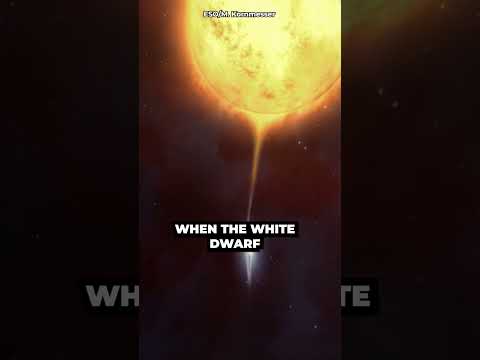
A nova happens when a star, usually a white dwarf, pulls in material from a companion star. Imagine two friends sharing lunch, but one is super-hungry and gobbles up most of it. As this white dwarf consumes hydrogen from its buddy, the pressure builds up until—boom!—you get a sudden outburst of energy visible across vast distances.
The whole process is fascinating. First off, you start with these stellar remnants called white dwarfs. They’re basically the leftovers of stars that have burned through their fuel and shed their outer layers. Now they’re hanging around in space, compact and hot. You know how after cooking pasta for too long it gets kind of soft and mushy? That’s what happens to stars that run out of fuel—they become dense and no longer have the energy to shine brightly.
Now back to our hungry white dwarf: it starts sucking in hydrogen gas from its companion star—it’s like a cosmic vacuum cleaner! Eventually, this hydrogen accumulates on its surface. The pressure increases as more and more gas piles on top. When conditions are just right—think high temperature and pressure—the hydrogen ignites in nuclear fusion reactions.
What’s so cool about this? Well, during this fusion process, there’s an enormous release of energy that causes the star to brighten dramatically—sometimes by as much as 100 times its normal brightness! This bright flash can last days or even weeks before fading away again.
After the explosion calms down, things get interesting because novae might occur multiple times for the same star system as long as there’s still hydrogen left to munch on. It’s kind of like a party that keeps happening over and over until there are no more snacks!
But here’s something even more mind-blowing: novae play a significant role in spreading elements across galaxies. When they explode, they eject materials into space including heavier elements formed during those furious fusion processes—elements we all need to exist! So yes, you could say these explosions help build blocks for new stars and planets.
In summary:
- Novae are explosions caused by white dwarfs pulling in material from companion stars.
- The process involves building pressure until nuclear fusion ignites.
- This results in an incredible burst of brightness that can last from days to weeks.
- Multiple explosions can happen if there’s still fuel available.
- They contribute to distributing elements throughout our universe.
Understanding these cosmic events gives us insights not just into stellar evolution but also into how our universe was shaped over billions of years. So next time you glance up at a twinkling starry night sky, remember there might be some hidden drama unfolding out there—like two old friends having dinner together!
Understanding Nova Explosions: When Can We Expect to Observe These Celestial Events?
You might be curious about nova explosions. They’re these spectacular bursts of light that happen out there in space. Picture this: you’re gazing at the night sky, and suddenly, a star brightens dramatically. That’s a nova at work! But let’s break it down a bit more so it all makes sense, okay?
A nova occurs when a white dwarf star steals some material from a companion star. This material builds up on the surface of the white dwarf until there’s too much of it. Think of it like piling snow on top of a snowball; eventually, the weight causes it to burst! When this happens, nuclear fusion kicks in, causing an enormous explosion that can brighten the star significantly, sometimes even outshining its entire galaxy!
Now, you might wonder how often we get to see these crazy events in our skies. The truth is, novas don’t have a set schedule like your favorite show. Some occur once in many years; others can happen much more frequently. On average, our Milky Way galaxy has about 30 novas per year. They’re out there; we just need to be looking at the right time.
Interestingly enough, not all novas are created equal. There are different types based on their brightness and how quickly they brighten or fade away. For instance:
- Fast Novae: These can reach peak brightness within just days.
- Slow Novae: These might take weeks to reach their maximum shine.
Now let me tell you something cool: astronomers often predict where and when novas might pop off by monitoring specific stars closely. They use telescopes that can capture light from various wavelengths—like X-rays and ultraviolet—to catch hints before an explosion happens.
But predictions aren’t always spot-on! For example, if we take the classic case of Nova Aquilae 1918, no one saw it coming until it blazed brightly in the sky! What’s even cooler? Sometimes these explosions leave behind remnants that glow for years—the aftermath is almost like fireworks lingering long after they’ve exploded.
So what do you think? Next time you’re outside on a clear night, remember that beyond just twinkling lights are incredible events waiting to be observed. And who knows? You could be lucky enough to witness one soon! Keep your eyes peeled—you never know when the universe will treat us to another show!
You know, when I think about nova astronomy, it’s like looking at the universe’s own fireworks show. Seriously, these cosmic events are more than just pretty lights; they tell us stories about life and death in the universe. So, imagine you’re at a backyard BBQ on a warm summer night. You’re munching on some burgers, and suddenly – BAM! – a sparkler lights up the sky. That’s kind of what happens when a nova bursts into life.
A nova occurs in binary star systems, where one star is like a greedy little thing gobbling up gas from its companion. Over time, this gas builds up on the surface of the white dwarf star until it can’t handle it anymore. And then—boom!—an explosion happens, lighting up the whole system for weeks or sometimes even months. It’s like nature’s way of reminding us that even in space, changes happen really quickly.
I remember the first time I learned about this stuff; I was sitting in my science class, staring at a cool image of a nebula illuminated by a nova’s light. There was something magical about knowing that those colors weren’t just pretty pictures but were part of cosmic processes happening light-years away. It made me realize how interconnected everything is—like we’re all part of this grand tapestry woven from stars and explosions.
What strikes me most is how these novae reshape their surroundings. They spread elements like carbon and nitrogen into space—basically creating building blocks for new stars and planets down the line. It’s kind of poetic if you think about it: destruction leading to creation. You know what I mean?
So yeah, while we sit here on Earth munching snacks and living our lives, there are these amazing events happening out there that reflect change and transformation in ways we might not always see or understand right away. It makes you wonder what else is out there waiting to be discovered or illuminated by someone curious enough to look up at the night sky—and really see it!