So, I once tried surfing in the ocean, right? Totally thought I was gonna be the next big wave rider. But, like, instead of catching waves, I ended up battling currents. Seriously, those things were stronger than my will to stay upright!
Anyway, have you ever considered what would happen if ocean currents just decided to take a break? It’s kind of a wild thought! I mean, these mighty rivers of water are like the Earth’s highways. They move heat around and help regulate our climate.
Imagine if they just stopped. Yikes! It could change everything—from weather patterns to how we grow food. It’s a big deal! So let’s explore this idea and see what it all means for our planet and us.
Exploring the Role of Ocean Currents in Climate Dynamics: Myths and Realities
Ocean currents might sound like something only a marine biologist would obsess over, but they’re actually a pretty big deal in our climate system. Imagine them as the Earth’s giant rivers flowing through the oceans, transporting heat and nutrients around the globe. They play a crucial role in regulating our weather and climate patterns. But, you know how life can be—there are all sorts of myths floating around about what could happen if these currents were to stop or change dramatically.
One common myth is that ocean currents are just like highways for fish. While they do help many marine species travel, their primary role is way more complicated than that! They help distribute heat from the equator towards the poles, which keeps our planet livable. If we didn’t have them, some places would be swelteringly hot while others would be icy cold. Imagine living in a world where summer lasts forever in one spot while winter never leaves another. Yikes!
Now, let’s talk about what could happen if ocean currents were to actually stop or change dramatically due to climate change. Seriously, people freak out over this idea! The big one is thermohaline circulation, also known as the “global conveyor belt.” This massive current system helps cycle warm and cold water around the planet. If it were disrupted—it could lead to extreme weather changes across various regions.
So, what might those changes look like? Picture this:
- More extreme weather: You could see hotter summers and chillier winters.
- Rising sea levels: Melting ice from Greenland could push more freshwater into these currents.
- Impacts on marine life: Warmer waters can lead to shifts in fish populations—some will thrive while others may struggle.
But hang on! The reality of ocean current disruption isn’t as straightforward as some may think. First off, scientists aren’t saying these currents will just stop overnight; rather they might slow down significantly over time. And even if they do slow down a bit, Mother Nature has her own way of adapting—and so do we humans (sort of).
You know how sometimes you hear about record-breaking temperatures or unusual storm patterns? Well, that’s often linked back to what’s happening with ocean currents behind the scenes! For example, during El Niño events—when warm water spreads across the Pacific Ocean—we see major shifts in weather all globally. It’s not just about “the oceans,” but how deeply interconnected everything is!
Ultimately though, we’re still figuring out all this stuff! Climate science is complex and ever-evolving—you can’t just slap on an easy answer without diving deep into it (pun intended!). So yeah, understanding ocean currents is key for predicting future climate scenarios.
In short: Yes, changing ocean currents could impact our climate significantly—but it’s a little less dramatic than many fear-mongering myths suggest. While it’s essential to keep an eye on those swirling waters and their effects on our planet’s health—remember that there’s still a lot we don’t fully get yet! Just stay curious—you never know what other discoveries await us out there in the great blue yonder!
Exploring the Role of Ocean Currents in Climate Change Dynamics: A Scientific Perspective
Ocean currents are like the Earth’s conveyor belts, moving water around and playing a huge role in regulating the planet’s climate. You know, it’s kind of mind-blowing when you think about how they connect different parts of the world. They transport warm water from the equator towards the poles and cold water back to the tropics. This process helps maintain a balance in temperatures across our planet.
First off, what are ocean currents? Well, they’re basically large-scale flows of seawater that are driven by factors like wind, temperature differences, salinity, and even the Earth’s rotation. They can be surface currents, like the Gulf Stream that warms up Europe’s weather, or deep ocean currents that circulate nutrients throughout the ocean.
Now, onto climate change! Ocean currents play a big part in how heat is distributed globally. As temperatures rise due to climate change—thanks to all those greenhouse gases we’ve been pumping into the atmosphere—the structure and strength of these currents can shift. Imagine if someone decided to mess with your favorite highway system; traffic would get backed up and some areas would feel heatwaves while others might freeze.
- The Gulf Stream: This current is crucial for Western Europe’s mild climate. If it slows down or stops, parts of Europe could face much colder winters.
- Tropical Currents: These regulate rainfall patterns around the globe. Changes here might mean intense droughts or heavy flooding in certain regions.
- Nutrient Distribution: Currents deliver nutrients essential for marine life. Disruptions could lead to fish population declines impacting food sources for communities worldwide.
You might be wondering: could ocean currents actually stop? Well, yes and no! Scientists have some concerns about this possibility due to increased freshwater from melting glaciers diluting saltwater—this affects density which drives deep-water current flow. If enough fresh water enters areas like Greenland, it could seriously disrupt those currents we rely on.
There was a study not too long ago that suggested if this happened on a large scale (like stopping the Atlantic Meridional Overturning Circulation), we’d see dramatic weather shifts across continents! It’s all interconnected; disturbances in one part can send ripples (literally) through various systems worldwide.
A thing to keep in mind: while current changes won’t be immediate—like flipping a switch—they’re definitely on scientists’ radars as potential tipping points for larger climate issues down the road. So next time you daydream about tropical beaches, remember there are intricate processes at play under those waves managing our planet’s health!
The bottom line is that ocean currents aren’t just pretty patterns on maps; they’re vital players in our climate system! And any significant changes to them could have far-reaching impacts that affect us all—whether we realize it or not!
The Implications of AMOC Collapse: Understanding the Scientific Impact on Climate and Ecosystems
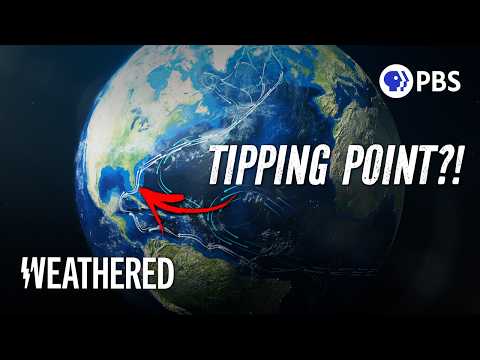
So, let’s chat about the **Atlantic Meridional Overturning Circulation**, or AMOC for short. It’s kind of a big deal in the world of ocean currents. Picture it like a giant conveyor belt, moving warm water from the tropics up toward the North Atlantic and pushing cold water down to the depths. This dance helps regulate our climate and keeps our weather patterns—well, stable.
But what if this conveyor belt decided to take an unexpected break? Some scientists are worried about a potential collapse of AMOC due to climate change. And here’s why that matters:
- The first thing that comes to mind is **temperature shifts**. A collapse could mean cooler temperatures in Western Europe while North America might face hotter summers. Think about it—it’s like flipping a switch on your thermostat!
- Then there’s the impact on **sea levels**. The AMOC helps keep sea levels in check along the U.S. East Coast. If it weakens, we could see higher sea levels there, leading to flooding in coastal cities.
- And let’s not forget about **weather patterns**! Changes in ocean currents can drastically affect rainfall patterns around the globe, making some places wetter and others drier—essentially creating winners and losers in terms of water availability for crops.
You might be wondering how this all connects to ecosystems, right? Well, here’s where it gets interesting. A collapse of AMOC could disrupt marine life like you wouldn’t believe! Many species rely on specific temperature ranges and food availability that are influenced by ocean currents.
For example, think about fish populations along the coast of New England. If currents change dramatically due to AMOC collapse, their habitats could shift or even disappear! Imagine fishermen trying to adapt when their usual catches suddenly move somewhere else—it’d create chaos for local communities dependent on fishing.
Also, coral reefs would feel the strain too! They thrive in stable conditions, so fluctuations caused by changes in temperature from a weakened AMOC could lead to widespread bleaching events—basically stressing out these beautiful ecosystems.
The bottom line is pretty clear: an AMOC collapse can have ripple effects across **climate**, **weather**, and even **marine ecosystems** that we depend on daily. It’s a classic case of “when one piece goes missing in the puzzle, everything else starts changing too.” So keeping an eye on our oceans is crucial because they hold more than just water—they’re a key player in our planet’s health!
Alright, so let’s chat about ocean currents for a minute. You know, those massive rivers of water that flow through our oceans? They’re super important for keeping things nice and balanced on our planet. But here’s a wild thought: what if these currents just stopped? Like, completely froze in time?
I remember this one summer during my childhood when I went to the beach with friends. The water was warm and inviting, and we spent hours jumping over waves. That particular summer felt like magic—like the ocean was alive with energy! But thinking about it now, what if those waves didn’t move anymore? That’s kind of what scientists worry about when they think about climate change messing with ocean currents.
So, these currents help regulate global temperatures and distribute heat from the equator toward the poles. If they were to stop or slow down significantly—hello, disaster! We could face crazy weather patterns, rising sea levels, or even some regions getting colder while others become uncomfortably warm. Imagine winter in places that usually bask in mild weather! That doesn’t sound like the sun-soaked beach days I remember.
The thing is, as temperatures rise due to greenhouse gas emissions, melting ice caps can affect salinity—how salty the water is—leading to changes in these currents. And if those currents go wonky? Well, marine life could be seriously impacted too! Fish migrate based on water temperatures and current patterns; disrupt that flow and you might end up with a bunch of confused fish swarming cities instead of coastal towns. Not sure how much sushi there would be left!
What makes all this even wilder is that we still don’t fully understand how complex our ocean systems are. It’s like trying to solve a puzzle where someone keeps throwing pieces into the air! So while we know how crucial these currents are for climate regulation and biodiversity, predicting exactly how they’ll react to our changing climate is still kind of murky.
In a way, it feels daunting—like standing at the shore watching those beautiful waves crash only to think they could one day vanish. It hits home when you realize just how interconnected everything is; our actions can ripple through ecological systems far beyond what we can see at first glance. So ultimately, keeping an eye on those ocean currents isn’t just science fiction—it’s something we need to consider seriously if we want to protect our planet’s future vibrancy and survival.