You know, I was scrolling through some old pictures of my dog the other day. Like, the little dude has this whole “I’m too cool for school” vibe, right? But it got me thinking: where did he come from? I mean, dogs are just a tiny blip in the grand timeline of mammals.
So, check it out. Mammals have been around for a seriously long time—like over 200 million years! That’s ancient history! From tiny critters scuttling around while dinosaurs ruled the earth to today’s diverse crew: us humans included.
It’s kinda wild when you think about it. What were these early mammals like? Those first furry guys weren’t strutting around in sunglasses or anything fancy. They were just trying to survive in a world ruled by giant lizards and other terrifying beasts.
But hey, that struggle is part of what made them so interesting. So let’s take a little jaunt down memory lane and trace how these early mammals evolved into the creatures we see today—dogs included!
The Evolutionary Journey of Early Mammals: Insights from Paleontology and Evolutionary Biology
Alright, let’s get into the fascinating world of early mammals and their evolutionary journey! You might think of mammals as those furry creatures we know today—like dogs, cats, or even us humans—but their story is way more complex.
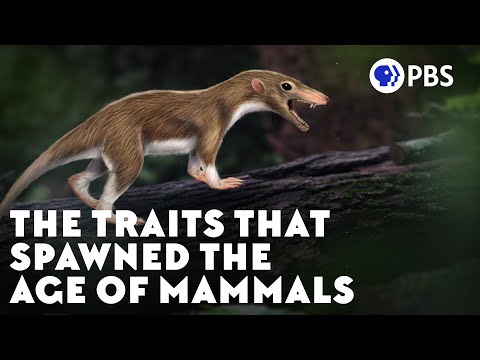
First off, we gotta go back in time. I mean really back, like around 300 million years ago during the time of the reptiles. The Earth was a very different place. Back then, small, shrew-like creatures roamed the land—these were our ancient ancestors. They belonged to a group called synapsids, which are basically the early relatives that eventually led to mammals.
You see, synapsids had a unique skull structure that set them apart from their lizard-like neighbors. This structure helped them regulate body temperature better and led to some **seriously** cool adaptations over millions of years. Think about it: being warm-blooded is a huge deal!
- The first true mammals appeared in the Late Triassic period, around 200 million years ago. They were tiny and often nocturnal—not too glamorous compared to the dinosaurs strutting their stuff during that time.
- One key trait that early mammals developed was the ability to nurse their young with milk, courtesy of mammary glands! Can you imagine how valuable that was for survival? It gave these little critters an edge over other animals.
- Their size was also beneficial; being small allowed them to escape predators easily and find shelter in niches where larger animals couldn’t fit.
- Then came the Cretaceous period (that’s when dinosaurs ruled). While they weren’t exactly thriving alongside those giants, they were quietly evolving and diversifying.
You might find it interesting that after the dinosaurs went extinct about 66 million years ago, mammals started going through an amazing adaptive radiation. This means they took advantage of new environments and resources available without dinosaurs hogging everything—pretty epic! Suddenly you had mammals evolving into all shapes and sizes.
An example? Look at the evolution of whales! They’re descendants of land-dwelling mammals—a fascinating transition if you ask me. Imagine those early creatures slowly adapting to life in water over millions of years—pondering this makes my head spin!
Paleontologists have unearthed fossils from all stages of this journey—talking about species like therapsids, who had some mammalian features but still looked pretty reptilian. Finding fossils helps scientists trace back these evolutionary branches through time.
The blend of paleontology and evolutionary biology has given us pivotal insights into how early mammals adapted to challenges in their environments. For instance, changes in climate could lead to new habitats becoming available. Mammals adapted by developing traits to exploit these habitats—a classic case of survival!
The thing is, each step on this path isn’t just about anatomy or function; it’s also tied together with stories from ancient ecosystems—the past whispers through layers of rock! So when we study these fossils and biological traits today, it’s like piecing together a giant jigsaw puzzle filled with drama involving survival strategies.
If you dig deeper into this topic (No pun intended!), you’ll realize how interconnected everything is—from adaptations like fur for warmth or specialized teeth for eating different diets—to social structures among species—all influenced by environmental shifts throughout geological time periods.
The journey didn’t stop there either; mammal evolution continues right up till today! Who knows what exciting adaptations are waiting around the corner—or deep underground? That’s nature for ya: always changing and evolving!
There you have it! The early evolutionary path of mammals is full of twists, turns, and remarkable adaptations—an ongoing adventure that connects us all through time!
Exploring the Evolutionary Sequence of Mammals: A Comprehensive Study in Mammalogy
So, let’s chat about the evolutionary journey of mammals. It’s a pretty wild story that takes us back millions of years. Picture this: the planet is a totally different place, dominated by dinosaurs and other reptiles. But lurking in the shadows are the ancestors of modern-day mammals, and they’re just waiting for their chance to shine.
Mammals evolved from a group of reptiles called synapsids around 300 million years ago. These weren’t your typical reptiles; they had some traits that set them apart. For instance, they had a more developed jaw structure and possibly some early fur—kind of like a cozy blanket to keep them warm during those chilly nights.
Then came the Triassic period, about 250 million years ago. That’s when you start seeing true mammals popping up. They were small, often nocturnal creatures, which helped them avoid those gigantic dinosaurs out there. Imagine being tiny and trying to dodge all those thunderous footsteps! It’s like playing hide-and-seek in a giant playground filled with bullies.
Here are some key things to remember:
- Mammalia is what we call the class that includes all modern mammals.
- During the Jurassic period (around 200 million years ago), mammals began diversifying into various forms.
- The first true mammals were morganucodonts, small insectivores that lived in trees.
- Mammals kept evolving through time into different groups like monotremes (egg-laying), marsupials (pouch-carrying), and placental mammals (those who carry their young in the womb).
Fast forward to the end of the Cretaceous period about 66 million years ago. The dinosaurs went extinct—bam! The world opened up for mammals to thrive and take over. They started getting bigger, developing new traits like larger brains and better temperature regulation. And man, did things just get interesting!
One notable group that evolved was primates—our distant cousins! They developed traits for grasping trees and better vision in dim light so they could swing through branches more easily at night—much like how I try not to trip over my own feet when it’s dark.
Now let’s talk about a cool mammal representative from around this time: the multituberculate. It was kind of like a cross between a rat and a koala! These little guys stuck around for about 120 million years before eventually fading out as competition increased.
Moving on through time brings you to familiar faces today: cats, dogs, elephants—you name it! Each one has its own unique adaptations from those early mammalian ancestors that helped them survive.
Just think about how incredible it is that all these distinct animals trace back to those tiny little furballs trying not to get stomped on by dinosaurs! It’s almost poetic if you think about it; survival led to everything we see today—from massive whales swimming in our oceans down to squirrels darting across our yards.
So yeah, when you’re out on your next nature walk or simply chilling with your pet cat or dog, realize there’s an epic backstory behind every single mammal you encounter—a tale built over millions of years filled with struggles, adaptations, and triumphs! Isn’t evolution just mind-blowing?
Exploring Human Evolution: Debunking the Myth of Direct Descent from Monkeys
You know, the whole idea that humans directly descended from monkeys is a pretty common misconception. It’s understandable! Often, we see monkeys, apes, and us all grouped together as primates. But the reality is way more interesting and complicated than that.
First off, let’s set the record straight: humans did not evolve from modern monkeys or apes. Instead, we share a common ancestor with them. Imagine your great-great-grandparent who had kids that went on to have their own families. You and your cousin might be different now, but you both have that ancestor in your family tree. That’s how it works with evolution too!
To break it down a bit more:
- Common Ancestor: About 5 to 7 million years ago, humans and chimpanzees (our closest living relatives) branched off from a shared ancestor. This creature isn’t around anymore—it was something quite different from what we see today.
- Diverse Evolution: After this split, each lineage took its own path. While our ancestors adapted to life on the ground and eventually developed skills like walking upright, those ancestors of chimpanzees did their own thing in trees.
- Different Environments: As environments changed over millions of years, each species adapted to survive in their specific habitats—leading to various forms of primates we see today.
- Evolving Traits: Traits like large brains and complex thinking didn’t appear overnight. They evolved over time due to challenges our ancestors faced in their environment.
It’s kind of mind-blowing when you dig into it! You ever think about Neanderthals? They were our distant cousins who wandered around Europe thousands of years ago. They looked a bit different but were still part of our extended family tree.
You might wonder why this matters. Well, understanding human evolution helps us grasp how interconnected life really is on this planet. Every living creature has its story—like how early mammals evolved after the dinosaurs went extinct around 66 million years ago.
So yeah, tracing back through evolutionary history is like piecing together an enormous puzzle with missing parts everywhere! It gives us perspective about where we fit into the whole picture—a pretty cool realization if you ask me!
You know, when you think about early mammals, it’s like peeking into a really wild family album. I mean, these little guys had such an interesting journey that shaped them into the diverse creatures we see today. Imagine wandering back to a time when the Earth was ruled by dinosaurs—pretty intense, right? But amidst all that chaos, these small, furry mammals were sneaking around doing their thing.
These early mammals weren’t like the fluffy pets we adore now. They were more like tiny critters scurrying about in the shadows. Some of them were around the size of a mouse, and they probably lived under the cover of darkness to avoid being someone’s snack! Can you picture one of them peering out cautiously from behind a rock? It’s kind of cute but also brave in its own way.
As millions of years went on, these little mammals started adapting to their environments—like seriously finding their unique styles. They developed fur to keep warm and different kinds of teeth for eating whatever was available. Crazy how something as simple as teeth could reflect so much about an animal’s lifestyle! Like, if you had flat teeth, you might be munching on plants; sharp teeth meant you were all about that meat life.
Then came this pivotal moment—the extinction event that wiped out most dinosaurs. Suddenly, all this space opened up for mammals. It’s like when your favorite band goes on tour after years of waiting! Mammals began to diversify and explore all sorts of niches in habitats around the world. From tiny shrew-like creatures to woolly mammoths roaming vast landscapes; it was like an explosion of creativity in evolution.
Thinking back on it reminds me of how sometimes life gives us opportunities in unexpected ways. You might be feeling small and insignificant but then bam! You find your moment to shine—or rather evolve! Those early mammals had grit and resilience that paved the way for today’s incredible species.
It makes me wonder: What will future evolution look like? Will we see fascinating new forms just as our furry predecessors did? Who knows what surprises are waiting down the road? The evolutionary path is kind of messy yet beautiful—a constant reminder that change is part of life’s journey!