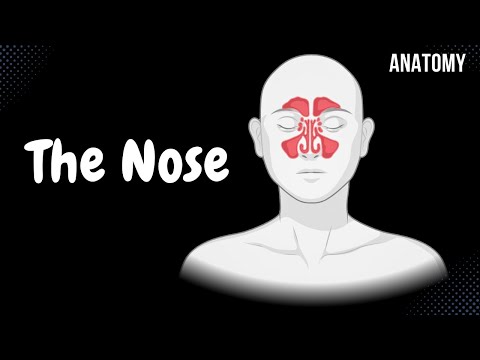
You know that moment when you’re outside, and you take a big whiff of fresh air? Well, your nose is the unsung hero behind that experience. Crazy, right?
Most folks think of noses just for sniffing or sneezing. But seriously, there’s so much more going on inside that little structure!
It’s not just about how we smell the cookies baking or notice someone’s perfume wafting by. The nose plays a huge role in how we breathe and even how we taste food.
So, ever wondered what makes it all tick? Let’s break down the anatomy of the nose and see what this fascinating little organ does for us!
Comprehensive Overview of Nasal Structure and Function: An In-Depth PDF Guide
So, let’s talk about your nose! It might seem like a small part of your body, but it does a ton of work. The structure and function of the nose are fascinating, and understanding them can help you appreciate this little powerhouse.
First off, the nose has two main parts: the external nose and the internal nasal cavity. The **external nose** is what you see on your face. It’s made up of several components:
- Nasal bridge: That’s the hard part at the top, made from bone.
- Nasal tip: This is the softer part at the bottom that gives your nose its shape.
- Nostrils: These are the openings that let air in and out.
Now, when you poke around inside your nose (not too hard, though!), you’re exploring the **internal nasal cavity**. This area is lined with mucus membranes that do a couple of amazing things. They warm up cold air as it comes in—ever noticed how it feels different in winter? That’s why!
They also humidify the air. Think about those dry days when everything feels scratchy. Your nasal cavity helps keep things moist so that every breath is more comfortable.
Another cool feature? The **nasal turbinates**. These are bony structures inside your nose that look like curled-up seashells—kind of neat! They help increase surface area for filtering air. Basically, they catch dust, pollen, and other particles on their way to your lungs.
Speaking of filtering, let’s not forget about smell! Your **olfactory system** lives up there too. When you inhale, odor molecules float up into a special area called the olfactory bulb. This sends signals straight to your brain to help you smell everything—from cookies baking to smoke alarms going off.
And then there’s your sinuses—small cavities connected to your nasal passages. These babies do more than just sit there; they lighten the weight of your head and help produce mucus as well.
What happens when something goes wrong? You might end up with congestion or infections like sinusitis when these systems get blocked or inflamed—which no one enjoys! That feeling when you’re stuffed up or have a cold? Yeah, that’s pretty much your nose saying “help me!”
So remember: Your nose isn’t just a cute feature; it plays some serious roles in breathing, smelling, and even protecting you from illness. Next time you take a deep breath through those nostrils or enjoy a delicious aroma wafting by, give a little nod to this amazing structure—it really does work hard for you!
Exploring the Five Essential Functions of the Nose in Human Anatomy and Physiology
You know, we often take our noses for granted, right? They’re just there, doing their thing. But if you start to think about it, your nose has some pretty amazing functions. Let’s break down the five essential roles it plays in human anatomy and physiology. I promise it’s not boring!
1. Smelling
The most obvious function is, well, smelling! Your nose houses the olfactory receptors that pick up all those delightful (or not-so-delightful) scents in the air. When you inhale, tiny molecules waft into your nostrils and hit these receptors. This sends signals to your brain to tell you what you’re sniffing, like freshly baked cookies or maybe someone’s gym socks. Seriously!
2. Filtering
Ever notice how your nose can get stuffy? One reason is its filtering ability. It has tiny hairs called cilia and mucus that trap dust, pollen, and other unwanted particles before they can make their way into your lungs. Imagine those little soldiers battling germs every day! Without this filtering system, you’d be inhaling more than just air—you’d be breathing in a whole lot of junk.
3. Humidifying
Your nose also adds moisture to the air you breathe in—yup, that’s right! When you inhale dry air, it can be a bit harsh on your lungs. So your nose works hard to humidify that incoming air so it doesn’t irritate sensitive lung tissues. This keeps everything comfy and helps prevent infections.
4. Regulating Airflow
Think of your nose like a traffic cop directing airflow into your lungs. It helps regulate how much air gets through during breathing by adjusting the size of the nasal passages based on various factors like activity level or congestion. If you’re sprinting for the bus? Your passages widen to allow more air in!
5. Resonance for Speech
Finally, let’s talk about how essential your nose is for speaking and singing! The nasal passages act as resonating chambers that enhance sound quality when you chat or belt out a tune in the shower (we’ve all been there!). If you’ve ever had a cold and sounded “nasally,” that’s because normal resonance has been disrupted!
So yeah, next time you take a whiff of something delicious or realize you’re stuffed up from allergies, remember all these amazing functions of your nose! It might seem small on the outside but plays a big role in keeping us healthy and connected with our world around us.
Comprehensive Guide to the Anatomy of the Nose: Detailed Structure Diagrams and Scientific Insights
The nose is more than just a cute feature on your face. It’s like a super-smart gateway for air, smells, and even plays a role in how we talk. Let’s break it down a bit.
Outer Structure
At first glance, the nose has this pretty straightforward look. You’ve got the bridge, which is the bony part at the top that leads down to the tip. The sides of your nose? Those are called alae, and they give your nostrils their shape. Speaking of nostrils, they’re technically known as nares. They work like two little doors to let air flow in and out.
Inside the Nose
Now, things get really interesting inside! The inside is lined with special tissue that helps with moisture and warmth. This lining is called the mucosa. Here’s where it gets cool: it has tiny hairs called cilia. Cilia are like little brooms sweeping away dust and germs so they don’t bother your lungs.
Then there’s the olfactory epithelium. Sounds fancy, right? But basically, it’s where all those smell receptors hang out. When you sniff something—like fresh-baked cookies—you’re using these receptors to grab scent molecules floating around.
The Sinuses
Ever heard of sinuses? They’re these small spaces behind your cheeks and forehead that connect to the nose. They help lighten your skull and also play a role in keeping your voice sounding nice, you know? Just imagine how stuffy you’d feel if they were blocked!
Nasal Functions
So what does all this stuff do? Well, first off, it filters out particles from the air before you breathe them in. The nose also humidifies and warms up that air as it travels down into your lungs; that way, your delicate lung tissue isn’t taking in icy-cold air straight away.
And let’s not forget about smell! It’s a major player in tasting food too—not just about sniffing flowers or smelling rain on hot pavement!
Nose Health
Keeping our noses healthy is super important for everything we just talked about. If you’ve ever had a cold or allergies, you know how tender (and annoying) it can be when your nose doesn’t function well.
So yeah, if we look at our noses closely—both inside and out—they’re incredible organs that do way more than just sit pretty on our faces!
To recap what we went over:
- Structure: Outer parts include bridge, tip, alae (sides) & nares (nostrils).
- Mucosa: Lining with cilia keeps us safe by trapping particles.
- Olfactory epithelium: Home to smell receptors.
- Sinuses: Reduce skull weight & enhance voice.
- Nasal functions: Filtration, humidification & smell.
- Nose health: Essential for good breathing & smelling!
Next time you’re enjoying a delightful scent or taking a deep breath of fresh air, think about all this cool stuff happening right under your nose!
So, let’s talk about noses for a second. You know, that funny little appendage right in the middle of your face? It’s way more important than just looking cute or being a place for your glasses to rest. Seriously! The anatomy of the nose is as fascinating as it is functional.
First off, the nose has two main parts: the external and internal sections. The outside is what everyone sees—the bridge, tip, and nostrils. But it’s what’s going on inside that really gets interesting! Inside our noses, we have these little chambers called nasal cavities. They’re lined with mucus membranes that keep everything moist. And guess what? They also help filter out dust and allergens! Like a built-in air purifier, how cool is that?
And then there are the turbinates—spongy structures that help with airflow and heat regulation. You can think of them like speed bumps for air traveling into your lungs. They slow things down a bit to make sure you’re breathing warm, clean air. And who doesn’t appreciate warm air on a chilly day?
But here’s where it gets really wild: our sense of smell! Those tiny receptor cells in the nasal cavity send signals to your brain when you breathe in different scents. Ever catch a whiff of freshly baked cookies and suddenly feel all warm inside? Yeah, that’s your nose doing its thing! It plays an important part in memory too; scents can take you back to specific moments in time.
I remember this one time at my grandma’s house; she made this incredible cherry pie every summer when I was a kid. The smell was so strong that I could practically taste it before even stepping into the kitchen! To this day, whenever I smell cherries, I’m instantly transported back to those hot afternoons filled with laughter and baking disasters.
Now you might be wondering about colds or allergies messing up our noses—well, they can definitely throw off our sense of smell and affect how we breathe. When we get sick or have allergies, those membranes get all swollen and irritated which is no fun at all!
So next time you catch yourself thinking about your amazing nose—whether it’s blowing it during winter colds or smelling something delicious—take a moment to appreciate all its hard work behind the scenes. Noses do so much more than just sit there looking pretty; they’re like little unsung heroes keeping our respiratory system in check and giving us some sweet memories along the way!