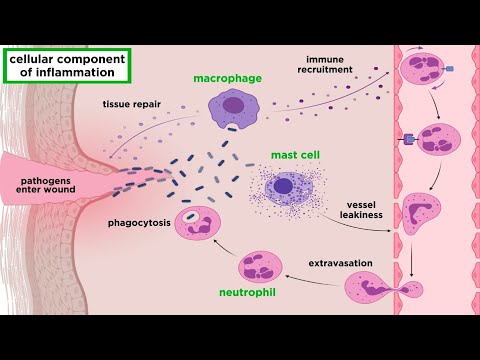
Okay, so, picture this: you accidentally stub your toe on the coffee table. Ouch! Right? Instantly, it swells up like a little balloon. That’s inflammation doing its thing—annoying, but totally essential.
You might not think about it much, but inflammation is your body’s way of saying “Hey! Something’s not right here!” It sounds simple, but the science behind it? Well, that gets a bit more complicated.
Basically, inflammation is like your body throwing a party for its immune system. But sometimes, the party goes overboard—kind of like that guy who drinks one too many at a wedding and starts dancing on tables. Not so great for everyone else, right?
So let’s chat about what inflammation really is and how it can mess with us when things go haywire. You know? It’s all about keeping that balance in check!
Understanding the Pathophysiology of Inflammation: Mechanisms and Implications in Health and Disease
Inflammation is like your body’s emergency response system. When you get a cut, a cold, or even when you’re feeling stressed, your body kicks into high gear to protect itself. But what really happens beneath the surface? Let’s break it down.
What is Inflammation?
So, inflammation is basically how your body reacts to harm. It can be caused by various things: germs, injuries, or harmful substances. Imagine you stub your toe. Ouch! Your toe gets red and puffy. That’s inflammation at work!
When there’s damage or infection, your immune cells rush to the scene. These cells release **chemical signals** to communicate with each other. It’s like sending out an SOS call for help! They attract even more immune cells to fight off any invaders and start the healing process.
How Does it Happen?
There are two main types of inflammation—acute and chronic:
- Acute Inflammation: This is short-term and happens right after an injury or infection. Symptoms include redness, warmth, swelling, pain, and sometimes loss of function.
- Chronic Inflammation: This one lingers and can last for months or even years! It often occurs when the body can’t get rid of whatever is causing the problem.
When you think about acute inflammation, picture a campfire that flares up quickly when you throw in some logs but eventually dies down once everything settles. Chronic inflammation is more like that campfire that just keeps smoldering indefinitely—kinda annoying!
The Mechanisms Behind It
Now let’s dig into some details about how this process works:
First up are the **blood vessels**. When something harmful shows up, they widen to allow more blood flow. This makes areas feel warm and look red because there’s more blood rushing in.
Then there are **white blood cells**, which play a major role in defending your body against infection. They travel to the site of injury or infection and start breaking down what doesn’t belong there.
These white blood cells release all kinds of chemicals called **cytokines**. These little guys signal other immune cells to join the party! But if this cytokine signaling goes haywire during chronic inflammation? Well, that can lead to all sorts of issues like heart disease or arthritis.
The Implications for Health
You see how vital this system is? While it helps manage infections and heal injuries, chronic inflammation can wreak havoc on your health over time:
- Heart Disease: Chronic inflammation can damage blood vessels and lead to plaque buildup.
- Autoimmune Disorders: Sometimes the immune system gets confused and starts attacking healthy tissues!
- Cancer: Prolonged inflammatory responses may contribute to cancer development by damaging DNA over time.
It reminds me of that time my friend kept ignoring his car’s check engine light until it finally broke down on the highway—just because we often overlook those signs doesn’t mean they don’t matter!
The Bottom Line
Understanding inflammation helps us grasp just how important it is for our health—both good and bad! Acute inflammation is our ally in fighting off threats while chronic inflammation poses significant risks over time.
So next time you’re feeling achy or see redness somewhere on your body, remember: it could be an alarm bell ringing through your immune system saying “Hey! Something’s not right!” And knowing what’s going on can make all the difference in keeping yourself healthy.
Comprehensive Guide to the Pathophysiology of Inflammation: Downloadable PDF Resource for Researchers and Physicians
Inflammation is like your body’s alarm system. When things go wrong—like an infection or injury—your immune system kicks in to protect you. But, you might be surprised to learn that inflammation can also turn into a problem itself if it goes unchecked.
So, what’s the deal with the **pathophysiology** of inflammation? Well, this term basically means how inflammation works when it starts in your body and what happens as a result. Let’s break it down a bit.
First off, we’ve got two types of inflammation: **acute** and **chronic**. Acute inflammation is your body’s immediate response to harm. Think of a sprained ankle; it swells up because blood flow increases to help heal the area. On the other hand, chronic inflammation sticks around for too long, like an unwanted guest who won’t leave. This type can lead to various diseases like arthritis or even heart disease.
- Vascular Response: When tissue gets injured, blood vessels dilate (or widen). You know that feeling when you bump your arm? It turns red and feels warm; that’s increased blood flow!
- Cellular Response: This involves white blood cells and other immune factors rushing to where they’re needed. They help clean up debris and fight off infections.
- Cytokines Release: These are signaling molecules that tell other cells about what’s going on in the body. Some make inflammation worse, while others help calm it down.
Now let’s talk about mediators of inflammation. These include things like histamines and prostaglandins—substances that affect how cells behave during an inflammatory response. They play crucial roles but can also contribute to pain and fever.
An interesting fact? You probably know someone who has allergies—when their body overreacts to something harmless like pollen or pet dander—that’s a form of acute inflammatory response gone haywire!
But what if this alarm system becomes overly sensitive? Chronic conditions arise when inflammatory responses don’t shut off properly. Imagine living with constant pain because your body’s defenses are always on high alert for no reason—that’s tough!
A little story here might help: I once had a friend who dealt with autoimmune issues where her immune system mistakenly attacked her own tissues as if they were invaders! It was wild seeing how her life changed based on how well she managed her condition through understanding inflammation.
Now, doctors and researchers spend loads of time studying this stuff because understanding the underlying mechanisms can lead to new treatments or interventions for those affected by chronic diseases linked to inflammation.
In summary, remember that while inflammation is crucial for protecting us against harm, keeping it balanced is key! Too much of a good thing can indeed turn sour—as many have found out in their journeys through health challenges related to too much or prolonged inflammatory responses.
If you’re looking into this deeply for research purposes or clinical practice, there are plenty of resources out there packed with detailed charts and info about the ongoing investigations into various forms of treatments aimed at modulating these inflammatory processes.
So next time you get hurt or experience swelling, just think about all those tiny soldiers (your cells) doing their job—and maybe give them a little nod for keeping you safe!
Understanding the Pathophysiology of Inflammation: Comprehensive Slideshare Presentation
Inflammation is like your body’s alarm system. When you get a cut or an infection, it’s the way your body says “Hey! Something’s wrong here!” But, what actually happens when inflammation kicks in? Let’s break it down.
First off, inflammation is a response triggered by your immune system. It’s how your body fights off infections and heals itself. When tissues are damaged or infected, your cells release signaling molecules called cytokines. These little guys are basically messengers that tell immune cells where to go and what to do.
Now, the process can be divided into a few key stages:
- Vascular Response: Blood vessels become more permeable. Think of them as opening the floodgates for white blood cells and nutrients to rush in.
- Cellular Response: White blood cells, like neutrophils and macrophages, come onto the scene. They gobble up bacteria and clean up debris.
- Resolution Phase: After dealing with the issue, your body starts cleaning up. It produces anti-inflammatory signals to wrap things up.
Let me give you a quick example. Imagine you stub your toe on the coffee table—ouch! Right away, you might notice it swelling up and turning red. That’s inflammation at work! The blood vessels around your toe get bigger so that more white blood cells can arrive quickly to fix things up.
But here’s where it gets tricky: sometimes this response goes haywire. If inflammation sticks around too long, instead of being helpful, it can lead to chronic conditions like arthritis or even heart disease. Your immune system gets confused and starts attacking healthy tissue. It’s like an alarm that just won’t turn off, causing more harm than good.
There are lots of triggers for this chronic inflammation—things like stress, poor diet or even lack of sleep can play a role in keeping that alarm ringing when it shouldn’t be.
Ultimately, understanding how inflammation works is crucial not just for scientists but for everyone! Knowing how our bodies react to injury or infection helps us make better choices about our health. So next time you feel that heat or swelling after an injury or illness just remember: that’s your body doing its best job to protect you!
In short, inflammation is essential for healing but can be harmful if it doesn’t resolve properly. Keep an eye on those signs and take care of yourself—your body will thank you later!
Inflammation is, like, one of those things you kinda hear about all the time but don’t really think about unless it hits home. You know? I remember there was this one time my friend sprained her ankle during a soccer match. The swelling was insane! I mean, if you’ve ever seen a foot that looks like a balloon, you know what I’m talking about. But here’s the kicker: that swelling is basically your body’s way of saying “Hey, I’m working hard to heal this!”
So, let’s break down the science a bit. Inflammation is your immune system throwing a party when there’s an injury or infection. Like, it sends in white blood cells and chemicals to the area where something’s gone wrong. This is super important because it helps fight off pathogens—those nasty little germs trying to ruin your day—and gets things healing again. You can think of it as your body’s internal SWAT team.
But inflammation isn’t just about getting rid of bad stuff; sometimes, it goes rogue and turns into a chronic issue. Like if that SWAT team just wouldn’t leave the party even after everything’s been cleaned up! Chronic inflammation can lead to some serious health problems—heart disease, diabetes, even certain cancers. What happens is that in these cases, the body seems to forget how to chill out and keeps on being inflammatory even when there’s no need for it anymore.
You might wonder how all this works on a deeper level. Well, it’s all about those pesky signaling molecules called cytokines. They’re kind of like tiny messengers zooming around your body telling other cells what to do during inflammation. Sometimes they send mixed signals or just get outta hand altogether and keep firing up inflammation when it’s not needed.
And let me tell you—it can be frustrating! So many people deal with chronic conditions that stem from this overactive response — like arthritis or asthma — and they often feel misunderstood by those around them who don’t see what they’re going through.
I guess what strikes me most is how our bodies are designed for balance but can lose their way sometimes. Life throws challenges our way—injuries, stressors—and our bodies try their best to adapt and respond accordingly. Understanding this whole inflammation thing gives us insight into why taking care of ourselves is sooo crucial.
In the end, inflammation reminds us that our bodies are always buzzing with activity beneath the surface—like an invisible world working hard for us every day! And recognizing when things go awry opens doors for better health choices down the line. So yeah, next time you see some swelling or redness pop up after a bump or bruise, instead of just freaking out over how weird it looks—remember: that’s your body’s way of doing its job!