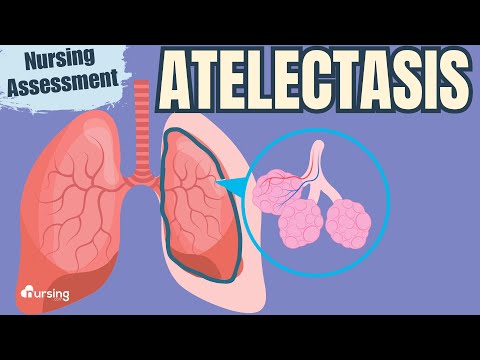
So, funny story: I once thought atelectasis was some fancy Italian dish. You know, like a weird pasta or something? Turns out, it’s way more serious than that.
Atelectasis is when part of your lung collapses or doesn’t inflate properly. And yeah, it can happen to anyone—like, even you during a bad cold! It sounds kinda scary, but understanding what’s going on can really help.
You might be surprised to learn how this little hiccup in the lungs can impact everything from breathing to recovery after surgery. So let’s dig into the nitty-gritty of atelectasis and its implications in medicine. You with me? Cool!
Pharmacological Approaches to Treating Atelectasis: A Comprehensive Overview
Atelectasis is when part of your lung collapses or doesn’t inflate properly. This condition can lead to breathing issues, and it’s often seen in people who are recovering from surgery or have certain lung diseases. The thing is, treating atelectasis often means figuring out the underlying cause first. It’s like trying to fix a leaky faucet—if you don’t address the source, the problem just keeps coming back!
One common way to help treat atelectasis is through **pharmacological approaches**. These treatments aim to open up those collapsed areas of the lung and keep them inflated again. So, what does that really mean? Well, let’s break it down a bit.
Mucolytics are medications that thin mucus in the lungs. If mucus builds up too thick, it can block airways, making it harder for your lungs to expand and work properly. Think of it like trying to breathe through a straw filled with syrup; super tough, right? Mucolytics help clear that gunk out, allowing you to breathe easier.
Then you’ve got bronchodilators, which relax and widen the air passages in your lungs. If atelectasis is linked with conditions like asthma or COPD (chronic obstructive pulmonary disease), these medications can be a lifesaver. They’re like giving your lungs a breather! Imagine trying to run with tight shoelaces; loosening them makes everything feel better and smoother!
Another interesting option is using steroids. They reduce inflammation in the lungs, which can help improve airflow and may assist in reopening those collapsed areas. It’s kind of like putting out a little fire that’s blocking the road—you want clear access so everything can flow smoothly again.
Now let’s touch on some preventive measures that are equally important here:
- Incentive spirometry: A device that encourages deep breathing by having you inhale slowly through a tube.
- Deep breathing exercises: Just taking those big gulps of air helps fill your lungs more fully.
- Chest physiotherapy: Techniques that help loosen mucus and improve airflow through percussion or vibrations on your chest.
So yeah, while medication plays an essential role in managing atelectasis, combining pharmacological treatments with preventive strategies creates an even stronger defense against lung collapse. It’s like having both an umbrella and raincoat—you’re just better prepared for any storm!
And remember, every case of atelectasis could look a bit different depending on individual health status! So if you’re ever faced with this condition or know someone who is, keep chatting with healthcare professionals about what options might work best based on their unique circumstances!
Understanding the Consequences of Atelectasis: Impacts on Pulmonary Health and Function
Atelectasis is a term that might sound a bit heavy, but let’s break it down. It refers to the collapse of part or all of a lung, meaning those air sacs in your lungs—called alveoli—aren’t filled with air. This can happen for various reasons, like blockage or pressure on the lungs. You follow me?
Now, when we dive into the reasons this happens, there are a couple of major players:
- Obstructive atelectasis: This occurs when something blocks the airway. Imagine trying to breathe through a straw that’s been partly clogged with gunk—that’s what it feels like for your lungs.
- Non-obstructive atelectasis: Here, it’s more about not having enough air getting into those alveoli. Conditions like fluid in the lungs can really make this happen.
So, what’s the deal with pulmonary health and function? Well, when part of your lung collapses, you’re essentially losing some real estate for gas exchange. That means oxygen isn’t getting into your bloodstream as efficiently. If you think about it, that’s kind of like having a factory where half the workers are suddenly unable to show up.
The implications can be pretty serious! For instance, if someone is recovering from surgery and is lying still for too long, their risk for atelectasis skyrockets. That’s why they often encourage deep breathing exercises post-op—keeping those lungs inflated helps prevent issues!
And then there’s how it affects people with conditions like asthma or COPD (chronic obstructive pulmonary disease). Their airways are already sensitive or obstructed; throw in atelectasis, and you’ve got an even tougher battle on your hands.
An emotional anecdote would be my friend’s grandma who had surgery last year. She was feeling better but didn’t get up and move around much afterward. Suddenly she couldn’t catch her breath—not just due to age but because she developed atelectasis! It was pretty scary for her family and showed how crucial lung health is after medical procedures.
Treatment typically involves breathe deeply, using devices called incentive spirometers (which sounds fancy but is basically just a tool to help you take deeper breaths), and sometimes physical therapy to get those lung muscles moving again.
In summary, understanding atelectasis helps highlight just how valuable our lungs are. Recognizing the signs early and taking action can keep pulmonary issues at bay and ensure our breathing remains strong! It’s essential to care for them—it’s literally how we stay alive!
Understanding Atelectasis: A Simple Explanation for Everyone
Atelectasis might sound like a complex word, but it’s really pretty simple if you break it down. Basically, it refers to a condition where part or all of a lung collapses or doesn’t inflate properly. You know that feeling when you take a deep breath and your chest expands? Well, when atelectasis happens, that expansion is limited in some areas of the lungs.
You know, I once had a friend who was hospitalized after surgery. She had trouble taking deep breaths afterward. The doctors explained to her that she developed atelectasis because she wasn’t expanding her lungs fully while recovering. Just imagine laying in bed for too long and feeling like your chest is heavy—it can really be uncomfortable!
Now, let’s break this down further. There are different types of atelectasis, and each has its own cause:
- Obstructive Atelectasis: This occurs when something blocks the air passages—like mucus or a foreign object. It’s kind of like trying to drink from a straw that’s got a chunk of ice stuck inside; nothing can get through!
- Non-obstructive Atelectasis: Here’s where it gets interesting! This type happens due to conditions like lung diseases, fluid buildup (think pneumonia), or even pressure on the lung from outside forces—like in cases of tumors.
Now you might wonder why this matters so much in medicine. Well, for one thing, atelectasis can lead to serious complications. When parts of your lung don’t work well, it affects how oxygen enters your bloodstream. And if you’re not getting enough oxygen? Yikes! That can lead to all sorts of problems.
Diagnosis usually involves imaging tests like chest X-rays or CT scans. Imagine the doctors looking at your lungs like they’re on a scavenger hunt trying to find out what’s going wrong. They might see those collapsed areas and catch the issue before it gets worse.
Treatment often depends on what caused the atelectasis in the first place. Simple measures, like encouraging deep breathing exercises or using devices called incentive spirometers (that little gadget you blow into), can help re-inflate those collapsed parts! It’s kind of cool how our bodies are designed to heal themselves with just a bit of help.
In some cases though—especially more severe ones—you might need medical intervention, such as bronchoscopy (where doctors use a tiny camera to look inside) or even chest tubes to drain fluid if that’s causing the problem.
So really, understanding atelectasis is about seeing how important our lungs are to overall health. Like my friend learned during her recovery: taking those deep breaths isn’t just about feeling good; it’s also crucial for keeping everything running smoothly inside!
Atelectasis, huh? It’s one of those medical terms that sounds way more complicated than it actually is. Basically, it’s when part or all of a lung collapses or doesn’t inflate properly. You know that feeling when you take a deep breath and your chest expands? Well, imagine if part of that didn’t fill up with air. Kind of makes you appreciate each breath a bit more, right?
So, what really goes on in the body when this happens? Well, it’s all about the alveoli—those tiny air sacs in your lungs where oxygen gets exchanged for carbon dioxide. If they get blocked or don’t expand like they should, you get atelectasis. It can happen for several reasons: maybe there’s some fluid in the lungs, or perhaps there’s pressure from a tumor pushing down on them. Even something as simple as staying still for hours after surgery can lead to this condition.
I remember visiting my grandma in the hospital once after her hip surgery. She was lying there looking so frail and small, and I noticed how she was struggling to catch her breath. It turns out she had developed atelectasis because she hadn’t been moving much post-op. The doctors kept telling her to take deep breaths and use this little breathing device that looked kind of like a toy but seriously helped keep her lungs inflated. Watching her struggle made me realize just how crucial our lungs are—not just for breathing but for overall health.
The implications of atelectasis in medicine are pretty significant too! For instance, continued lung collapse can lead to infections or make existing respiratory conditions worse. Doctors often need to intervene—sometimes even performing procedures to re-inflate those collapsed sacs!
For people who already have conditions like asthma or COPD (that’s chronic obstructive pulmonary disease), atelectasis can really complicate things too. They’ve already got a lot going on with their lungs; adding another issue can be overwhelming—and dangerous!
So yeah, while atelectasis might not be the first thing that comes to mind when thinking about lung health, its pathophysiology has real implications in medicine and healthcare that affect many people every day. It reminds us just how interconnected everything is—our bodies are pretty amazing but also need care and attention!