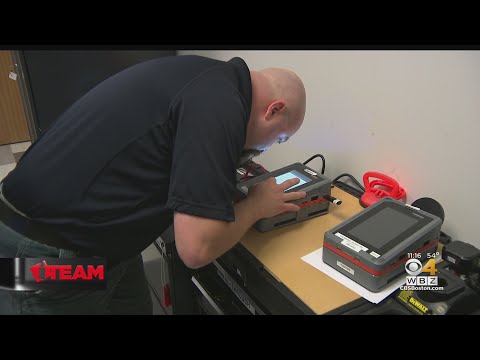
So, picture this: you’re watching a crime show, right? The detective finds a tiny speck of something on the scene. They send it off to the lab, and just like that—boom! They’ve solved the case. Sounds kinda easy, doesn’t it?
But here’s the twist. Those labs? Not always government-run. Yep! There are private forensic labs out there, and they’re doing some seriously cool stuff behind the scenes.
You might be thinking, “Why should I care about these places?” Well, let me tell you—it’s all about how they can change the game in investigations today. They bring speed, innovation, and maybe even a little drama to the mix!
So grab your favorite snack and let’s chat about what these private labs are really doing in the world of crime-solving. It’s more than just science; it’s like a high-stakes puzzle with real-life consequences!
Local Private Forensic Labs: Expert Scientific Analysis and Services Near You
Well, let’s talk about local private forensic labs. It might sound like something out of a crime drama, but these labs are doing some pretty important stuff in real life. You might be wondering, what do they actually do? And why would someone choose a private lab over the cops? Let’s break it down.
First off, private forensic labs offer specialized analysis that can sometimes be quicker or more tailored than what you’d get from a public lab. This doesn’t mean public labs aren’t good; they just have a different focus and set of resources. Sometimes, if you’re dealing with a case that needs urgent attention or has unique challenges, a local private lab can step in to help.
So, what kinds of analyses are we talking about here? Private forensic labs can handle various things:
- DNA Analysis: This is huge in solving crimes. They can analyze samples from crime scenes and match them to suspects.
- Toxicology Reports: If someone thinks they were poisoned or if there’s drug involvement, these labs can test for substances in blood or other samples.
- Ballistics Testing: In cases involving firearms, private labs can analyze bullet trajectories and match bullets to guns.
- Digital Forensics: Think of all the evidence left on phones or computers. Private experts know how to recover and analyze this data.
It’s like having specialists at your fingertips!
Now here’s the thing: sometimes people choose private labs when they feel that their case isn’t getting enough attention from law enforcement. They want to have all possible evidence analyzed for use in court or to bolster their own investigations. Plus, some individuals may want a second opinion on evidence analyzed by public labs.
But don’t get it twisted—private forensic labs must still follow strict regulations. They need accreditation and comply with legal standards just like public ones do. That ensures that the analyses are reliable and acceptable in court.
A quick story: I once read about a family who lost someone under suspicious circumstances. The local police took time investigating but didn’t find much. The family turned to a **private forensic lab** that specialized in cold cases. Through advanced DNA techniques, they discovered evidence that led them back to an old suspect who had been overlooked before! It was like finding hidden treasure amid other clues.
So yeah, local private forensic labs play an essential role in modern investigations. Whether it’s helping law enforcement solve crimes or supporting individuals needing expert analysis for personal cases—their work provides valuable insight into many complex situations we encounter every day!
In summary, remember this: private forensic labs are all about expert scientific analysis, speedier service when needed, and diving deep into specific areas of investigation when public options may fall short. They’re out there making sure justice gets served—one test at a time!
Essential Services Offered by Crime Laboratories: A Scientific Overview
Sure! Let’s break down the essential services offered by crime laboratories, especially looking at how private forensic labs fit into the whole picture.
So, basically, crime labs are super important in helping solve cases. They do a lot of behind-the-scenes work that you don’t always see in movies or shows. Here’s what they typically offer:
1. DNA Analysis
One of the biggest services is DNA analysis. When there’s a crime scene, forensic scientists can collect samples like blood, hair, or even skin cells. Then they compare this DNA to databases or match it to suspects. It’s kind of like a biological fingerprint—unique to each person! For example, if police find a hair at a scene and run it through a lab, they might find someone with an exact match from an unsolved case.
2. Toxicology Testing
Another major area is toxicology. This is all about figuring out if someone was poisoned or under the influence of drugs when something went down. Imagine a detective trying to solve a suspicious death; they’d need to know if there were any substances lingering in the person’s system.
3. Ballistics Analysis
Now let’s talk about firearms—ballistics analysis helps match bullets to guns and can even determine the distance from which shots were fired! So when investigators find a bullet at a crime scene, they can trace it back to specific firearms involved in other incidents.
4. Fingerprint Analysis
Fingerprinting is still big in forensics. Even though everyone has seen it on TV shows, it’s all real! Crime labs examine fingerprints found on weapons or surfaces and can link them back to individuals who’ve been recorded before.
5. Trace Evidence Examination
This one’s interesting—trace evidence includes tiny bits of stuff left behind during crimes, like fibers from clothing or particles from shoes. Private labs excel here since they often have more advanced technology for analyzing these small traces.
6. Digital Forensics
In today’s tech-driven world, digital forensics is key! This includes recovering data from devices like phones and computers that might hold important information related to crimes—like chats or location data that might point towards suspects.
So yeah, private forensic labs add some heft to these services by offering specialized skills and quicker turnarounds on analyses due to their flexibility compared to public labs which often deal with backlogs and limited funding.
What’s fascinating is that these labs sometimes provide expert testimony in court too! Their findings can make or break cases—imagine being part of something where your scientific expertise actually helps unravel mysteries or bring justice…
The combination of science and criminal justice really shows how intertwined our lives are with technology and innovation today—and private forensic labs are right there leading the charge! Pretty cool stuff when you think about how much goes into making sure justice is served through science!
Exploring Forensic Biology Careers: Opportunities and Insights in the Science Field
Forensic biology is this super interesting field that blends science with solving crime. When you think about it, it’s like being a detective but with a lab coat on, you know? You get to work with DNA, blood, and other biological evidence to help figure out what happened in various cases.
Private forensic labs play a pretty crucial role in modern investigations. Unlike government labs which might be overloaded with cases, these private companies often have more flexibility in their resources. This means they can sometimes provide faster results for law enforcement agencies or even defense attorneys who need their evidence examined quickly.
One cool aspect of working in forensic biology is the variety of jobs available. You could be involved in DNA analysis, where you analyze genetic material from crime scenes to identify suspects or victims. Or maybe you’d prefer working on bacterial or viral analysis, which can help understand how something like an outbreak might spread at a scene.
In terms of skills needed, you’ll definitely want to have strong attention to detail and good analytical thinking—like being able to piece together clues from seemingly unrelated bits of information. Seriously, one tiny mistake can change everything in a case! And let’s not forget about communication skills; being able to explain your findings clearly is essential since your reports might end up used in court.
Plus, the field has been evolving! With advancements in technology, you’ve got things like digital forensic biology coming into play, where data analysis helps solve crimes without even needing physical samples sometimes. That’s pretty wild when you think about it!
If you’re curious about trends in the field, consider how private labs are increasingly taking on roles that were traditionally reserved for public agencies. With budgets tighter than ever for some law enforcement offices, these private entities help fill gaps—especially when it comes to specialized testing or research.
So yeah, forensic biology careers can be super rewarding, but they also come with challenges. It’s not just about science; it’s also about ethics and sometimes dealing with heavy situations emotionally because you’re often working around serious crimes.
To sum it up: if you love science and solving puzzles—plus don’t mind getting into some serious stuff—then exploring forensic biology could totally be the right path for you! Just make sure you’re ready for the ups and downs that come along with this fascinating career choice!
So, let’s talk about private forensic labs and their role in modern investigations. This is a pretty interesting topic, honestly! Like, just think about it – you’ve probably seen tons of crime shows on TV where the good guys solve all sorts of mysteries, right? But what you might not realize is how much the real-life side of things can be influenced by these private labs.
I remember once watching a documentary about a cold case that was finally solved thanks to new DNA testing techniques. The detective was so emotional during the interview; it was clear how much that case meant to them. They spent years working on it, and then bam! A private lab stepped in with some fresh technology, and suddenly they had new leads. It really hit home for me—how these labs can be game-changers.
Private forensic labs aren’t tied to the same constraints as public ones, mainly when resources are tight. You know how police departments have limited budgets? Well, private labs can sometimes offer services faster or more efficiently because they’re not bogged down by red tape or resource allocations. They can focus more on specific cases without worrying about a backlog.
But here’s where it gets tricky: with great power comes great responsibility—or at least that’s what I learned from Spider-Man! Private labs can sometimes prioritize profit over justice. There’s always that question lurking in the air: How reliable are their methods? We’re talking high stakes here. If evidence gets mishandled or misinterpreted, lives could be affected badly—the wrong person could end up behind bars.
And then there are the ethical implications. Who gets access to these services? Do only wealthy individuals or corporations get their cases solved while those who can’t afford them are left in limbo? That brings up issues of fairness in our justice system.
So yeah, while private forensic labs can really boost investigations and bring closure to families waiting for answers—like helping solve those heart-wrenching cold cases—they’re part of a larger conversation around ethics and accessibility. It’s super fascinating, but also a bit frustrating when you think about the implications they carry.
In any case, they’ve become integral in modern law enforcement strategies. As technology continues evolving at lightning speed—seriously, have you seen how quickly things change?—the power of these private forensic entities will likely expand even more. The balance they need to strike between helping people and maintaining integrity is daunting yet crucial for justice as we know it today.