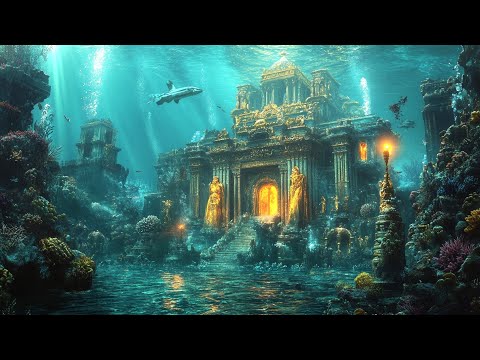
Did you know that more than 90% of the ocean is still unexplored? Crazy, right? It’s like having a giant treasure chest under water, and nobody’s really opened it up yet.
Imagine diving down into crystal clear waters and finding ancient shipwrecks, or maybe even a lost city! I mean, who wouldn’t want to feel like an underwater Indiana Jones?
Sea archaeology is all about digging into those watery depths to uncover stories from the past. Instead of dusty ruins or old manuscripts, we’re talking about sunken ships and submerged artifacts. Trust me, it’s more thrilling than any movie.
So grab your snorkel gear—or just your curiosity—and let’s explore this fascinating world together!
Exploring Popular Mechanics in Archaeology: Innovative Techniques and Scientific Discoveries
So, let’s chat about this fascinating blend of mechanics and archaeology. You might think of archaeology as just digging around in the dirt, but it’s way more than that. It’s like being a detective who gets to piece together history from clues hidden beneath the surface, especially when it comes to sea archaeology. So, what are these innovative techniques that make archaeologists’ jobs easier?
First off, one cool technique is sonar mapping. Imagine sending out sound waves into the water and waiting for them to bounce back. This helps scientists create detailed maps of the sea floor. It’s like getting an underwater GPS! With sonar mapping, researchers can locate shipwrecks or ancient harbor structures without ever getting wet.
Then there’s something called submersibles. These nifty little vehicles dive deep underwater and can capture stunning images or collect artifacts from shipwrecks. For instance, during some underwater exploration projects, submersibles have discovered wreckages with artifacts that tell stories about ancient trade routes and cultures. It’s kind of like bringing history back to life in real-time!
Now let’s not forget about remote sensing technology. This involves using satellites or aerial photography to spot submerged sites from above before diving into the murky water. Researchers can identify areas where wrecks may lie hidden just below the surface. Seriously impressive stuff!
Also, there’s this innovative method involving 3D scanning. When archaeologists find artifacts or sunken ships, they can create incredibly accurate digital models without touching the actual objects too much. This means they capture all the details while preserving them for future studies! Imagine having a virtual museum right at your fingertips.
What really gets me emotional is thinking about how these techniques allow us to connect with our past in such tangible ways. Like when scientists discovered a Roman shipwreck off the coast of France that had been there for over two thousand years! Can you even picture how many secrets were lost in those waters?
Finally, it’s worth mentioning how all these advancements help protect our marine heritage. The ocean is a vast place full of mysteries waiting to be unearthed—and also threats like climate change and pollution that could wipe out these historical treasures forever.
So yeah, exploring popular mechanics in archaeology isn’t just about fancy gadgets; it’s about unearthing stories—some of which have been hidden for centuries—using innovative tech and lovely detective work under the sea!
Exploring GUARD Archaeology: Integrating Science and Heritage Preservation
Hey, so let’s chat about GUARD Archaeology and its funky mix of science and heritage preservation. GUARD stands for Glasgow University Archaeological Research Division. They’re all about digging into the past—literally! Their mission? To protect and understand archaeological sites, especially those related to our watery worlds.
You know, when we think of archaeology, we often picture dusty old temples or ancient cities. But what’s really cool are the underwater sites! Sea archaeology—yeah, it’s a thing! It involves exploring shipwrecks, submerged settlements, and even ancient harbors. These discoveries help us learn about human history in ways land-bound digs can’t.
So, why is GUARD special? Well, they use a bunch of scientific techniques to study these underwater areas. Think of fancy tools like 3D laser scanning. This method creates super detailed models of artifacts and sites without touching them. It’s like virtual treasure hunting!
- Remote sensing technologies: They use sonar to map what’s beneath the waves. It’s like having X-ray vision for the ocean floor.
- Geographic Information Systems (GIS): This helps them analyze spatial relationships between different archaeological sites. Basically, it shows how things connect over time.
- Conservation strategies: They don’t just dig stuff up; they also think about how to preserve these findings for future generations.
I once read this captivating story about a shipwreck found off the coast that had been lying there for hundreds of years. When they finally brought some items up from the seabed—a few ceramics and personal belongings—they learned so much about daily life back then. It was a total game-changer!
The thing is, sea archaeology isn’t just about finding cool stuff; it’s also super important for preserving our shared history. Water can be both a guardian and a destroyer of artifacts. Many finds are fragile because they’ve been underwater so long.
Beneath the waves lies countless stories waiting to be told! GUARD integrates environmental science into their work by studying how climate change affects these submerged historical treasures. For instance, shifts in water temperatures or rising sea levels can impact where these artifacts sit today—and how we might protect them tomorrow.
This whole interdisciplinary approach makes GUARD a trailblazer in connecting science with heritage preservation. They listen not only to historians but also to scientists and environmentalists, creating a big-picture view of our past.
If you ever get a chance to visit an exhibit showcasing their work or even catch some of their findings online—don’t pass it up! There’s something remarkable in seeing how they blend cutting-edge technology with age-old stories from our oceans.
In short, GUARD Archaeology reminds us that every dive into history reveals not just artifacts but connections among cultures over time—making those deep-sea explorations feel more like uncovering pieces of ourselves than just searching through lost relics!
Ancient Cosmic Art: Archaeologists Discover 3,000-Year-Old Mural in Peru
So, there’s this really cool thing happening in Peru right now. Archaeologists just uncovered a stunning 3,000-year-old mural that tells us a lot about ancient civilizations and their connection to the cosmos. Like, how amazing is that?
Imagine strolling through the Peruvian landscape and suddenly coming across a vibrant mural that looks like it could tell stories from another world. That’s exactly what these researchers did while working near the coast. The mural is not just art; it’s like a window into how these ancient people viewed the universe around them.
What makes this find so special? Well, for starters, it features intricate designs that symbolize stars, constellations, and possibly sea creatures. You can almost picture ancient families gathered around their fires at night, gazing up at the sky and dreaming of what lay beyond. It’s pretty emotional thinking about how long ago this was and how much those people yearned for connection to something bigger than themselves.
Now think about it: every brushstroke on that wall was made by someone who lived thousands of years ago. It’s like they were reaching out through time to say “Hey! We believed in more than just what was in front of us.” You get that chill when you realize you’re connected to those thoughts and beliefs.
In this case, murals can be more than pretty pictures; they’re like “ancient cosmic art,” highlighting human creativity and our quest to understand our place in the universe. Just imagine being part of a team that uncovers something so profound—you’d feel like you were touching history with your own hands!
And what about sea archaeology? This mural connects beautifully with studies exploring underwater sites where shipwrecks or settlements are found beneath waves. As we dive deeper—literally—into these historical waters, we discover cultures intertwined with nature in ways we’re only beginning to grasp.
So yeah, while those archaeologists meticulously document every detail of the mural today, they are also inviting you to ponder: What stories do our own creations tell future generations?
Have you ever stood on the shore, watching the waves crash and thought about what lies beneath? The ocean’s depths hold so many secrets, it’s like a treasure chest waiting to be opened. Seriously! Sea archaeology is all about diving into that mysterious world. It’s not just about finding shipwrecks; it’s about piecing together forgotten stories from the past.
One time, I was at a beach with friends, just strolling along and picking up shells. You know that satisfying feeling when you find something beautiful? Suddenly, one of my friends yelled that they found an old bottle poking out of the sand. It turned out to be a message in a bottle. I was so excited! We popped it open and discovered someone’s heartfelt note from years ago. That little moment made me realize how everything we find has a story. Imagine finding something like that underwater—a whole ship filled with artifacts or evidence of ancient civilizations!
When we think about sea archaeology, it’s often about those epic shipwrecks or lost cities submerged for centuries. But there’s so much more to it. Researchers get to study how people lived by examining tools, pottery fragments, or even food remains from ages ago! This helps us understand everything from trade routes to cultural exchanges between civilizations.
But here’s the kicker: exploring underwater is not easy! The ocean can be downright scary—dark, cold, and sometimes unpredictable. It requires specialized training and equipment just to survive down there. And yet, those brave souls who take the plunge do it for knowledge and discovery—not just personal glory.
Sometimes I wonder what else is waiting for us in the depths—the secrets of ancient mariners who sailed before us or ecosystems that might hold clues to our future challenges with climate change.
So next time you catch a glimpse of the sea, just think about all those stories tucked away beneath those rolling waves. Each wave crashing on the shore could be whispering secrets of human history; you just have to listen closely enough!