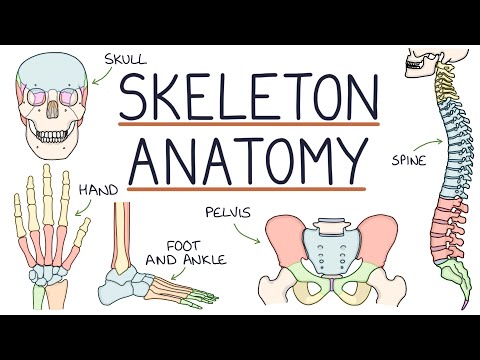
You know what’s super cool? Skeletons! I mean, think about it. They’re like nature’s own scaffolding, holding us up but also looking a bit creepy at Halloween. Seriously, I once went to a quirky art exhibit where they used real skeletons to create stunning sculptures. It was both amazing and, um, a little unsettling!
But here’s the thing: those intricate details in skeleton anatomy? They’re not just for show. Each bone has its own story to tell. And when artists dive into that world, the results can be jaw-droppingly beautiful—or just downright weird!
So grab your curiosity hat, because we’re about to explore how these bony structures inspire scientific art in ways you might never have imagined. Ready? Let’s jump in!
Exploring the Symbolism of Skeletons in Art and Their Scientific Significance
Skeletons in art are, well, more than just a bunch of bones. They’re powerful symbols with layers of meaning, and you can find them in all sorts of creative expressions—from paintings and sculptures to tattoos. But let’s not forget their scientific significance too; after all, skeletons are the framework that supports our bodies.
First up, the symbolism. When you see a skeleton in art, it often represents mortality or the passage of time. For instance, the famous painting “The Dance of Death” shows skeletons leading people from different walks of life in a dance—a reminder that death comes for us all, no matter how rich or poor you are. Kinda gives ya chills, right?
But there’s also a playful side to skeletons! Think about Halloween decorations or cartoons where they dance around singing. These fun depictions can help us deal with our fears around death—almost like saying “Hey, it’s okay!”
Now let’s get into the science. Skeletons provide valuable insights about our anatomy and health. Each bone tells a story—like how well you’ve taken care of yourself over the years. Scientists studying skeleton anatomy can learn about diseases and even lifestyles just by examining bones! Crazy thought: your bones could basically be little historical archives of your life.
You ever think about what goes on inside those bones? There’s so much happening! For instance, did you know your bones do more than hold you up? They produce blood cells! Yep! That spongy stuff in there called bone marrow is where red blood cells come from.
Also, consider the intricacies when artists illustrate skeletons—or even create anatomical drawings for science purposes. It’s not just about making it look spooky; they need to accurately represent skeleton anatomy to be useful for education and research. The way bones fit together is just as important as their shape and size.
Here are some key points to think about:
- Artistic expression: Skeletons embody themes like life and death.
- Scientific insight: Bones reveal stories about health and lifestyle.
- Anatomical accuracy: Art helps communicate complex scientific facts.
- Cultural significance: Different cultures see skeletons in unique ways.
In many cultures worldwide, skeleton imagery takes on various forms that reflect local beliefs about life after death or spirituality. Like in Mexico’s Día de los Muertos (Day of the Dead), where decorated skulls celebrate ancestors instead of scaring people away.
So when you look at a skeleton—whether it’s chilling on a canvas or gracing a science book—remember there’s good depth beyond the surface! It symbolizes so much more than just what meets the eye… And honestly? The relationship between art and science here is pretty fascinating!
Exploring Osteology: The Scientific Study of Skeletal Anatomy
Osteology is a pretty fascinating field, you know? It’s all about studying bones and the skeleton. Bones aren’t just hard structures; they tell stories! With osteology, scientists get to explore the intricate details of skeletal anatomy, shedding light on everything from human evolution to how animals move. So let’s break it down a bit.
The Basics of Bones
Bones are like the framework of our bodies. They provide shape and support and protect vital organs. Did you realize that adults have around 206 bones? Babies actually have more, about 270, but some fuse together as we grow up. Each bone has a specific job, whether it’s allowing movement or producing blood cells in the marrow.
Types of Bones
There are different types of bones in your body:
- Long bones: These are your arms and legs, like the femur. They help with movement.
- Short bones: Found in your wrists and ankles, they provide stability.
- Flat bones: Your skull is made of flat bones that protect the brain.
- Irregular bones: The spine has these funny shapes that do all sorts of things.
Isn’t it cool how each type plays a role? And get this: bone density changes over time. When I was younger, I used to think I was invincible. Then came those awkward teenage years where I tripped over nothing and learned just how fragile we can be.
Skeletal Anatomy Details
Now let’s talk about anatomy—the fun part! Skeletal anatomy examines structures like joints, cartilage, and ligaments. Joints connect your bones together to allow movement but can also wear out over time (thanks a lot, sports!). Cartilage provides cushioning between joints—think of it as your body’s natural shock absorber.
Ligaments connect bones to other bones and keep everything stable during movement. Ever rolled an ankle? Yeah, that pain is often ligament-related! Understanding these connections helps scientists figure out not just human biology but also animal adaptations.
The Importance of Osteology
Osteologists study fossilized remains too! They help reconstruct ancient ecosystems based on skeletons found in digs. For instance, by examining dinosaur bones, scientists can understand their size or even infer their behavior—kind of like piecing together a mystery!
Plus, in modern medicine, osteology plays a huge role in treating injuries or diseases like osteoporosis—a condition where bones become fragile and brittle as people age. By understanding bone structure better, treatments can be improved!
To wrap this up: osteology is way more than just “bones.” It’s a peek into life itself across ages—how we moved back when dinosaurs roamed or how our own bodies function today. So next time you learn about skeletons or see an x-ray (or even if you’ve cut yourself), remember: there’s an intricate world beneath your skin waiting to be explored!
Exploring the Connection Between Anatomy, Art, and Scientific Understanding
So, anatomy and art might seem like two totally different worlds, right? But actually, they’re like best buddies who hang out all the time! When you look at how artists portray the human body, you can see they really dig into the intricate details of our anatomy. This connection is super important for both understanding how bodies work and for creating stunning pieces of art.
First off, let’s talk about how understanding skeleton anatomy shapes artistic expression. Artists often study bones — those sturdy structures in our body that give us shape and support. When you think about a sculpture or a painting, it’s not just about slapping some color on a canvas or molding clay. Seriously, artists need to know what lies beneath the surface. Here are some ways anatomy factors in:
- Structure: Knowing the positioning and shapes of bones helps artists create realistic figures.
- Movement: Understanding joints allows them to show dynamic poses — think about how a dancer moves!
- Proportion: Anatomy helps with scale; everything should be balanced, so nothing looks too big or too small.
Take Leonardo da Vinci, for instance. This guy was not just an artist; he was kind of a science nerd too! His studies of human anatomy were groundbreaking. He dissected corpses to figure out exactly how muscles and skeletons worked together. His sketches aren’t only beautiful; they’re also amazing blueprints of human form!
Now, let’s chat about scientific art itself. Ever heard of anatomical illustrations? These are drawings that show detailed aspects of physiology — from muscles to organs and yes, even bones! They serve educational purposes as well as aesthetic ones. Basically, when doctors or students need to understand human anatomy better, these works can really help.
Think about it: if you’re trying to learn where all the bones fit in the body but are staring at a dull textbook illustration? Yawn city! But if you have vibrant artwork that shows off the beauty of bones while explaining their function — that’s way more engaging!
For example, anatomical drawings by Andreas Vesalius in the 16th century rocked everyone’s world! His book “De humani corporis fabrica” depicted various parts of the human body with such precision and flair that it shifted how people thought about medicine and art alike.
So here’s something cool: this connection between art and science doesn’t stop with just humans! You’ll find artists using similar techniques when studying animal anatomy too. Every creature has its own unique structure; capturing those details can tell stories through visual means while educating people.
In short – yes, there is a deep connection between anatomy, art, and scientific understanding! You’ve got this back-and-forth thing happening where knowledge fuels creativity which then inspires further learning. It’s pretty awesome when you think about how these fields influence each other over time.
Next time you glance at a stunning piece of anatomical art or even an educational illustration in class, remember: there’s way more going on than meets the eye! Each detail represents years (like centuries!) of exploration into what makes us who we are. That’s pretty profound if you ask me!
Skeletons are a bit like nature’s blueprint, you know? Each bone tells a story about how we move, what we once were, and even about the creatures that roam our planet. When artists take on skeleton anatomy, it’s like they’re bringing these stories to life—or maybe I should say, back to life.
I remember visiting an art museum and being completely awestruck by a detailed drawing of a horse skeleton. The artist had painstakingly captured each rib and vertebra, turning something that can be considered dry science into this beautiful piece of artwork. You could almost feel the graceful power of the animal just by looking at those bones.
But here’s where it gets even cooler. The intricate details in skeleton anatomy aren’t just for show; they reveal functions too! For example, the way our joints bend or the structure of our skulls impacts everything from how we eat to how we communicate. When artists highlight these features in their work—whether through illustrations or sculptures—they’re giving us insight into both biology and artistry. It’s like a conversation between science and creativity.
The connection to science goes beyond just looking pretty on paper. Those tiny details can have major implications for things like medicine or paleontology. By understanding how all those bones fit together and function, scientists can make discoveries that might change everything from healthcare practices to what we know about extinct species.
There’s something oddly beautiful in recognizing how closely art and science are intertwined when it comes to things like skeleton anatomy. It’s not just about counting bones or identifying muscle attachments; it’s about expressing the very essence of life itself through lines and shapes. So next time you see a piece depicting skeletons or skeletal structures, take a moment to appreciate not only the skill involved but also the fascinating stories hidden in those intricate details.