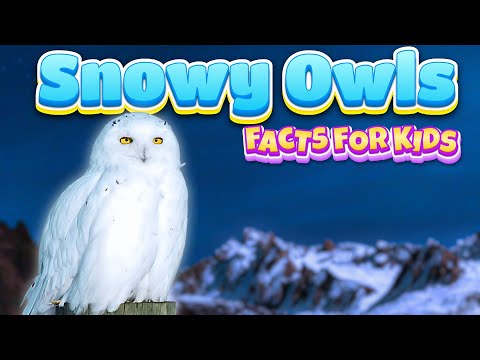
So, you know those big, fluffy white owls you see in winter commercials? Well, they’re not just for holiday vibes! Snowy owls are real and totally fascinating creatures.
Imagine living in one of the coldest places on Earth. Sounds rough, right? But these guys thrive in the Arctic, and it’s pretty wild how they do it. I mean, can you picture flying around in temperatures that would make most of us want to hibernate?
These owls have some seriously cool tricks up their feathers that help them survive the harsh weather. And get this: they can even change their hunting habits based on the seasons. Like, how smart is that?
Stick around as we break down what makes snowy owls so special—and let’s keep it casual. You might just find yourself loving these feathery Arctic champs!
Adaptations of Snowy Owls: Evolutionary Strategies for Survival in the Arctic Environment
Snowy owls are like the rock stars of the Arctic skies, you know? With their striking white feathers and bright yellow eyes, they really stand out against the snowy backdrop. But there’s way more to them than just good looks! These birds have developed some seriously cool adaptations that help them survive in one of the harshest environments on Earth.
First off, those snowy white feathers not only make them look fabulous but also serve a practical purpose. The color helps them blend in with their surroundings, acting like a stealth mode when they’re hunting. You see, being a predator in such an open landscape is tough! It’s all about staying hidden from both prey and potential threats.
Another interesting feature is their incredible hearing. Snowy owls can locate their prey even if it’s buried under snow. Their ears are slightly offset, which allows for better triangulation of sounds. This means they can pounce on lemmings or other small animals without even seeing them. It’s kind of like when you hear your friend calling your name but can’t quite see where they are until you spot them—right?
Then there’s their body structure. These owls have thick feathers that provide insulation against the extreme cold. They actually have unique feather structure that traps air, giving them an extra layer of warmth. Can you imagine how chilly it gets up there? Well, these adaptations are like wearing a cozy down jacket all winter long!
Furthermore, snowy owls also change their diet based on what’s available. In summer, they might stick to small mammals, but when winter rolls around and food gets scarce? They can switch it up and go after birds or even eat carrion if needed! Flexibility is key for survival out there.
On top of all this, snowy owls have developed some peculiar breeding strategies. They nest on the ground instead of up in trees. Why? Well, it gives them access to open spaces for hunting while still keeping an eye on potential predators from above. Plus, those nests are often built in places where there’s ample food supply nearby—pretty smart planning if you ask me!
Lastly, let’s not forget about their migration patterns. Some snowy owls move south during harsh winters in search for better food sources while others remain resident throughout the year based on local conditions. This adaptability to shifting climates speaks volumes about their resilience.
So yeah, these magnificent creatures showcase some stunning evolutionary strategies that really help them thrive in those challenging Arctic environments. They remind us just how amazing nature can be when it comes to surviving against the odds!
Exploring the Biology and Habitat of Polar Bears: Insights from Scientific Research
Polar bears are like the big, fluffy rulers of the Arctic. These huge mammals are specially adapted to thrive in one of the harshest environments on Earth. Basically, they need ice, sea, and cold temperatures to survive. Their habitat is primarily found in regions where sea ice is abundant, like the coasts of Alaska, Canada, Russia, and Greenland.
So what’s awesome about polar bears? Well, they have a thick layer of blubber under their skin that keeps them warm in freezing waters. This blubber can be up to four inches thick! Plus, they have a dense fur coat that doesn’t just look cute; it actually helps insulate them from the cold.
Their white fur isn’t just for looks either—it provides camouflage. When they’re hunting seals on the ice, they blend into their surroundings really well. You can imagine how sneaky they must look creeping up on their dinner! It’s like playing hide-and-seek at a level we can’t even fathom.
Diet-wise, polar bears are carnivores and primarily feast on seals. They utilize what scientists call “still hunting,” where they wait by breathing holes in the ice for seals to come up for air. It’s fascinating to think about how patient these animals are—sometimes waiting for hours!
- Habitat Concerns: Climate change is a massive threat to polar bears. As temperatures rise, sea ice melts at an alarming rate. Without ice, these incredible hunters lose their homes—and their ability to find food.
- Mating Season: Polar bears typically mate from March to May. Females will give birth after a few months of pregnancy during hibernation—can you believe that? They usually have one to three cubs!
- Cubs: Polar bear cubs are born tiny and helpless but grow quickly thanks to mom’s rich milk. They rely heavily on her protection until they’re big enough to venture out alone.
- Senses: Their sense of smell is astounding! They can detect seals nearly a mile away or under several feet of compacted snow.
Anecdotally speaking, I once read about a wildlife photographer who spent weeks trying to capture the perfect shot of a polar bear interacting with its cubs. He said that witnessing them play was like watching fluffy little comedians—all tumbling and rolling around in the snow! It really brought home how vital these animals are for maintaining balance in their ecosystem.
The connection between polar bears and their habitat reflects broader environmental health as well—it’s like a barometer for climate change impacts on our planet. When we protect polar bears and their icy realm, we’re inadvertently safeguarding many other species sharing that environment too.
You see, exploring polar bears isn’t just about studying one animal; it opens up pathways into understanding intricate ecological balances within the Arctic landscape. So while those snowy owls might be out there hunting too, let’s not forget there’s an entire world tied together through their icy habitats—and those beautiful polar bears play an essential role within it!
Exploring the Adaptations of Snowy Owls: Insights from Ornithology and Ecology
So, snowy owls! These stunning creatures are like the gentle giants of the Arctic skies. Seriously, if you’ve ever seen one in person, you know what I mean. Their striking white feathers can mesmerize anyone. But wait, there’s so much more beneath that beautiful plumage! Let’s take a closer look at how they’ve adapted to survive and thrive in some of the harshest environments on Earth.
Camouflage and Coloration
First off, let’s talk about their feathers. Snowy owls are not just pretty faces; that white coat isn’t just for show either. It helps them blend into the snowy landscapes of their Arctic homes. When you’re hunting for lemmings or other small prey, being inconspicuous is key, right? This camouflage is more than just style points; it’s a survival skill.
Size Matters!
You might notice snowy owls are a bit bigger than your average owl. Well, this size isn’t random; it helps them conserve heat in freezing temperatures. Larger bodies mean less surface area for heat loss—a clever little trick called Bergmann’s Rule! You see how these guys have figured out their environment? Amazing stuff.
Dietary Adaptations
Now, let’s dig into what they eat! Snowy owls primarily feast on lemmings—those cute little rodents that seem to scatter everywhere in the tundra. When lemming populations boom (which they do cyclically), snowy owls can crank out even more babies to take advantage of the feast! But when food is scarce? They don’t just throw up their wings and complain; they adapt by hunting other birds or even scouring for larger prey like rabbits.
Nesting Behavior
When it comes to raising kids, snowy owls have an interesting approach as well. They often build nests on the ground rather than high up in trees like many other birds of prey. This allows them to stay hidden from potential predators and also makes sure their young ones are closer to food sources during those critical feeding times.
Behavioral Adaptations
If you think about it, these guys have killer instincts too! They’re known for being quite active during the day (not all owls are night hawks!). This shift allows them to capitalize on both daylight hours and the busy activity of lemmings or small birds that come out more when there’s light around.
Migration Patterns
And get this—snowy owls aren’t shy when it comes to moving around! They tend to migrate southward when their food gets scarce in the far North or if there’s a lemming shortage (which happens every few years). This flexibility means they’re not tied down by strict feeding schedules; instead, they can roam where food takes them!
In short? Snowy owls are like masters of adaptation. Their behaviors and physical traits show just how well they’ve managed to thrive despite living where temperatures drop low enough to freeze your eyebrows off! Next time you spot one flying majestically through a winter landscape, remember all those incredible adaptations that help them survive—from their camouflaged feathers down to their clever eating habits and nesting strategies.
Snowy owls teach us a lot about resilience and flexibility—qualities we could all use a bit more of sometimes, don’t you think?
Snowy owls are one of those amazing creatures you can really get lost learning about. I mean, picture it: these big white birds gliding over the vast, icy landscapes of the Arctic. Their plumage is so bright, like a blanket of snow that helps them blend in. But it’s not just for looks; it’s like nature’s own camouflage, keeping them hidden from both predators and prey.
What’s really cool about snowy owls is how they’ve adapted to such harsh conditions. They’ve got super thick feathers that keep them warm when temperatures dive way below freezing. And their feet? They’re covered in feathers too! It’s almost like having built-in mittens. This means they could stand on ice for long periods without freezing their toes off.
I remember reading about a snowy owl named “Hedwig” from the Harry Potter series and wondering what real-life snowy owls are like. It made me think about everything these birds face up in the Arctic. They hunt mainly during the day, which is kinda unique for owls since most prefer to be night owls—pun intended! By hunting when it’s light out, they capitalize on all that daylight during summer, making sure they can spot lemmings (their main snack) scurrying around.
Speaking of lemmings, their population directly impacts how many young snowy owls will hatch in any given year. When there’s a lemming boom? You bet there’ll be an influx of little baby owls! But if lemming numbers drop? Well, that can mean fewer chicks survive. Nature has such intricate connections like that; it’s not just about the owls themselves but also about everything else happening in their environment.
And here’s something super interesting: when winter rolls around and food becomes scarce, snowies sometimes migrate south to find more abundant meals. Can you imagine how tough that must be? One day you’re perched high on an icy ledge in the Arctic sun; next thing you know, you’re heading off to warmer habitats hoping for dinner!
Thinking back to my childhood and seeing snowy owl pictures sparked this dream of adventure and exploration in wild places. But these magnificent birds face climate change too; as temperatures rise and their habitats shift or disappear, they’re finding it harder and harder to survive.
So yeah, snowy owls are more than just pretty faces against a white backdrop—they represent resilience and adaptation in one of Earth’s toughest environments. Every time I see a photo or video of one soaring through those stark skies, I’m reminded of nature’s beauty and fragility all at once. Isn’t that something?