So, picture this: you’re at a picnic on a sunny day, right? You’re lying on a blanket, soaking in the rays while your friends are grilling up some burgers. And there you are, thinking about how amazing it is that the sun just decides to shine down on us for free!
But wait, why aren’t we harnessing that golden sunlight better? Seriously! It’s like having an endless supply of power just hanging over our heads every day.
You know what I mean? The sun has so much energy to offer. Imagine if we could use even a fraction of that power to make our lives greener and more sustainable.
It’s not just about sunny days and beach vibes. This is about creating a future where we can rely less on fossil fuels and embrace something a bit friendlier for the planet.
Let’s dive into how we can turn those sunbeams into something really useful—like electricity! I promise it’ll be more fun than a boring lecture!
Optimizing Solar Energy Utilization: A Pathway to a Sustainable Future in Scientific Research
Solar energy is one of the most promising pathways to sustainability we have today. You know, it’s like nature’s gift just waiting for us to unwrap it! The sun emits an insane amount of energy every day—enough to power our planet for a long time if we play our cards right.
So, what does optimizing solar energy utilization really mean? Well, it’s about making the most out of this abundant resource. It’s not just about slapping solar panels on rooftops; it’s way more complex and exciting than that!
- Efficiency Improvements: One key aspect is improving the efficiency of solar panels themselves. New technologies, like perovskite solar cells, are being developed to capture sunlight more effectively than the traditional silicon-based ones. Imagine getting more bang for your buck out in your backyard!
- Energy Storage: Another biggie is energy storage. Solar energy isn’t always available (thanks, night!), so we need systems that can store excess energy for when the sun doesn’t shine. This includes batteries that can hold onto solar power until we need it later on.
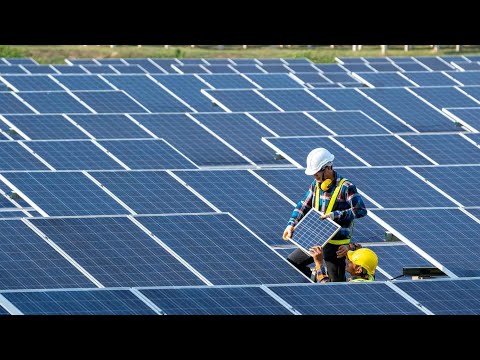
- Solar Farms: Think big! Large-scale solar farms are popping up in sunny regions. They maximize land use and can generate massive amounts of electricity which can be fed into the grid.
- Smart Grids: And then there are smart grids, which help distribute this energy efficiently. They manage electricity flow based on real-time data and demand, ensuring everything runs smoothly.
Now here’s where things get interesting: Did you know that optimizing solar energy isn’t just about technology? It’s also about scientific research! Universities and research institutions are diving headfirst into understanding how to integrate this technology better into our lives.
For example, they’re studying how different surfaces reflect sunlight or how climate can affect solar panel performance over time. A little while back, I read about some researchers who installed panels in a desert area and found they actually performed better due to lower humidity levels! These kinds of insights help make systems more effective.
And let’s not forget policy changes. Optimizing these technologies also involves collaboration among scientists, policymakers, and communities—finding ways to create incentives for adopting renewable sources over fossil fuels can make a huge difference too.
Can you imagine what it would feel like knowing that sunlight powers your home? It’s kind of revolutionary! It makes you think about future generations too—like what kind of world do we want them to inherit? By harnessing solar power more effectively now, we’re paving the way for greener cities and cleaner air down the line.
In short, optimizing solar energy utilization is a blend of mysterious science and practical solutions aimed at making our future brighter—literally! So next time you see those shiny panels on rooftops or out in fields under the sun, remember: there’s a lot happening behind the scenes to make sure we’re using this amazing resource as wisely as possible.
Unlocking Solar Energy: Understanding the Power of the Sun in Modern Science
Sure! Let’s take a stroll through the sunny world of solar energy and why it’s so crucial today. The sun, that big ball of fire in the sky, is not just great for soaking up rays at the beach; it’s also a super powerful source of energy. I mean, think about it! Each hour, enough sunlight hits Earth to power the entire planet for a year. That’s bonkers!
So what exactly is solar energy? Well, it’s basically just energy harnessed from sunlight. There are two main ways to do this: **photovoltaic (PV) systems** and **solar thermal systems**.
In photovoltaic systems, solar panels convert sunlight directly into electricity using something called semiconductors. These panels are typically made from silicon, which is like the rock star of solar technology. When photons (that’s light particles!) hit these cells, they free up electrons and create an electric current. It’s like magic but backed by science.
Then you’ve got solar thermal systems. These work a bit differently—they use sunlight to heat water or another fluid to create steam that drives turbines for electricity generation. You know those massive mirrors you sometimes see in deserts? They’re focusing sunlight on a small area to heat it up fast—that’s how these systems work.
Now let’s chat about why solar energy matters. First off, it helps reduce greenhouse gas emissions. Burning fossil fuels releases carbon dioxide into the atmosphere, which contributes to climate change. By tapping into solar power, we can cut down on that nasty stuff and keep our planet cooler.
Also, there’s this whole idea of energy independence. Countries that invest in solar can reduce their reliance on imported fuels. You could say it gives them more control over their energy future—like owning your own slice of sunshine!
Another cool thing? Solar technology has come a long way! Back in the day, solar panels were bulky and expensive, but nowadays they’re sleek and more affordable than ever—so accessibility has really improved over time.
And hey, let’s not forget about storage! The sun doesn’t shine all day (looking at you, nighttime), so we need ways to store that solar energy for later use. Batteries have become essential here; they make sure we can keep using that clean energy even when the sun dips below the horizon.
But it’s not all sunshine and rainbows; there are challenges too!
Despite these hurdles—seriously—the potential of harnessing solar resources is huge! Imagine every rooftop covered with shiny panels soaking up rays while providing clean power to homes. It sounds dreamy!
So overall? Unlocking solar energy isn’t just about harnessing sunlight; it’s about creating a sustainable future where everyone can access clean energy sources without killing our planet in the process. More awareness and innovation around this topic could seriously change the game—for real! And who wouldn’t want to ride on this wave of renewable magic?
Advancements in Sustainable Energy: The Science Behind Solar Solutions
Solar energy, you know, is becoming a big deal these days as we look for cleaner ways to power our lives. The whole idea behind it is to harness the sun’s rays and switch them into electricity. And honestly, it’s pretty cool how science has pushed things forward.
To get into the nitty-gritty, solar panels are basically the heart of this technology. They’re made up of photovoltaic (PV) cells, which convert sunlight directly into electricity. When sunlight hits these cells, it knocks electrons loose from their atoms. This movement of electrons creates electrical currents. It’s like a dance party in there!
So what does this mean? Well, one big advantage is that solar energy is renewable. The sun isn’t going anywhere anytime soon! Unlike fossil fuels, which are finite and can cause harm to the planet when extracted and used, solar energy just keeps on giving as long as we have clear skies.
Now let’s talk about some neat advancements that are making solar solutions even better:
- Improved Efficiency: Advancements in materials have led to more efficient solar cells that capture more sunlight and convert it to energy.
- Bifacial Solar Panels: These panels can gather sunlight from both sides, which means they can produce more electricity in the same space.
- Energy Storage Solutions: With batteries getting better and cheaper, we can store extra power for those cloudy days or nights.
Speaking of storage—this part really lights up the conversation! You see, once you generate electricity from solar panels during sunny days, you need a way to keep it around for later use. That’s where batteries come into play. They’re not just for your phone! Improved battery technology is allowing us to store larger amounts of energy efficiently. This makes a huge difference because, well, sunshine isn’t always available.
And let me tell you about this amazing thing called solar thermal energy. Instead of feeding light directly into panels for electricity generation like PV cells do, solar thermal systems collect heat from the sun. It’s kind of like how you feel warm when you sit outside on a sunny day. This heat can be used to generate steam that turns turbines—yes, just like in traditional power plants! So we’re merging old-school steam technology with cutting-edge solar resources.
The coolest part? Imagine powering entire cities with this stuff! Places like California and Germany are expanding their solar farms all over the place. These farms aren’t just big patches of land covered with shiny panels; they’re changing how we think about energy altogether.
Alrighty then—here comes the emotional bit! I remember visiting a small town where families had installed rooftop solar panels on their houses. They were so proud showing them off! Many said that not only did their electric bills drop but they also felt part of something greater by helping reduce carbon emissions and contributing to a healthier planet for their kids. Seriously touching stuff!
Lastly—and this is super important—the future looks brighter than ever for sustainable energy solutions like solar power because governments around the world are pushing for greener policies and incentives for solar adoption.
So yeah, keep your eyes open! Solar advancements aren’t slowing down anytime soon; they’re leading us into an era where clean energy could be totally mainstream—and imagine how awesome that will be!
You know, whenever I think about solar energy, I can’t help but feel a bit hopeful. I remember being a kid and watching that old cartoon where they showed flying cars and homes powered by sunshine. It felt so futuristic! Fast forward to now, and solar is right here, changing the way we think about energy.
So, let’s break it down. The sun is like this enormous power plant in the sky—constantly beaming down energy on us every day. Seriously, just a couple of hours of sunlight could power our entire planet for a year! But here’s where it gets interesting: capturing all that energy isn’t as easy as it sounds.
Solar panels have come a long way since their inception. They used to be clunky and super expensive, making them more of a luxury item than an everyday solution. Nowadays though? These bad boys are becoming more efficient and cost-effective thanks to advancements in technology. Last week, I chatted with this friend who installed solar panels on their roof. They were so excited about their electric bill dropping! They felt empowered, like they were doing their part for the planet while saving some cash too.
But let’s consider the big picture here. Harnessing solar resources is not just about slapping panels on roofs; it’s about shifting our mindset toward sustainability as a whole. You gotta think about how we can integrate solar power into our daily lives—like using it in homes, schools, and businesses—but also on a larger scale with solar farms out in wide-open spaces.
There are challenges ahead too: storage solutions for those days when the sun doesn’t shine or figuring out how to bring solar tech to regions that really need it but lack infrastructure. And let’s not forget about recycling those old panels once they’ve reached the end of their life cycle!
Still, the excitement of what we can achieve feels tangible. With each new breakthrough and every home that goes solar, we’re taking steps toward cleaner air and reducing reliance on fossil fuels—all while looking after our beautiful planet for generations to come.
In the end, you just get this sense that if we work together and keep pushing for innovation in harnessing these solar resources… well, it’s possible we could create a sustainable future that’s better than any cartoon could ever imagine!