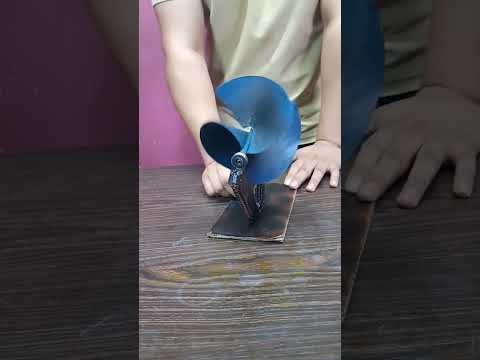
So, picture this: you’re out for a walk, and you see this funky-looking wind turbine spinning in the breeze. It’s not just your average windmill; it’s an Archimedes turbine!
You might think, “How did we get here?” Well, the truth is, this cool invention has roots going way back to ancient Greece! Imagine Archimedes, chilling by the water, dreaming up ways to harness energy. Fast forward to today, and that spirit of innovation is still blowing in the wind.
Let’s dig into how this quirky design works its magic. It’s like a science fair project that actually turned out awesome!
Understanding the Mechanism: How the Archimedes Wind Turbine Operates in the Field of Science
The Archimedes Wind Turbine is one of those cool inventions that gets you thinking about how wind and energy can dance together. Imagine the wind, with all its invisible power, turning a giant screw. That’s basically what this turbine does!
So, let’s break this down. The Archimedes Wind Turbine operates on some pretty neat physics concepts. Instead of traditional blades like a regular wind turbine, it uses a screw-like design. This unique shape catches the wind in a different way. You see, when the wind blows against this turbine, the force creates lift—much like how an airplane wing works but in reverse.
One of its standout features is that it can work efficiently in low wind speeds. Most turbines need strong winds to generate power, but the Archimedes version can start spinning even when there’s just a gentle breeze. How cool is that? This means it can be useful in places where conventional turbines would sit still and do nothing.
Now, how does it actually turn this wind energy into electricity? Well, as the turbine spins due to the wind’s lift pushing on it, it’s connected to a generator. The movement of this turbine turns the generator’s internal components. As they move around, they create electricity through electromagnetic induction—a fancy way of saying that moving magnets around wires makes electricity!
Think about it: every time you score a goal in soccer and your heart races with excitement—that’s kind of like the thrill of seeing energy being created from something as simple as air moving around us! It’s awesome to think how nature has these forces we can use.
The whole setup isn’t just for looks either; it’s designed to be sturdy yet efficient. Its compact design allows it to be placed on rooftops or even small farms without taking up too much space or making too much noise. And since it’s quieter than traditional turbines, that means less disturbance for your neighborhood pals.
In terms of maintenance, these turbines are usually easier to look after than you might think—fewer moving parts mean fewer things can go wrong! Plus, they’re often made from materials that are less harmful to our planet compared to those used in other energy sources.
To sum up:
- The Archimedes Wind Turbine uses a screw design instead of blades.
- It operates effectively at low wind speeds.
- It converts mechanical movement into electricity via electromagnetic induction.
- The compact form makes it suitable for various installations.
- Maintenance is generally straightforward.
Isn’t it intriguing how something so simple can harness such powerful natural forces? It’s just one example among many showing how human ingenuity tries to work hand-in-hand with nature for sustainable energy solutions!
Exploring Innovations in Wind Turbine Technology: Advances Shaping the Future of Renewable Energy
Wind energy is making waves, and a big part of that is thanks to some cool innovations in wind turbine technology. So, let’s chat about what’s new and interesting here, shall we?
First off, wind turbines are not exactly the same as they used to be. The traditional three-blade design has been around forever but it’s facing some serious competition. Enter the **Archimedes wind turbine**! This baby has a totally different approach. Instead of spinning blades that can be noisy and require a lot of maintenance, the Archimedes turbine uses a helical design—think about it like a giant screw turning in the wind. This makes it super efficient at lower wind speeds.
Now, why does this matter? Well, for one thing, **lower wind speeds mean more potential locations** for these turbines. You know how sometimes you drive through areas where there just doesn’t seem to be enough breeze? With models like the Archimedes turbine, we could finally use those spots to generate power! Imagine harnessing energy even on calm days—that’s a game changer!
Another exciting development is in materials science. Modern turbines are being made with lighter and stronger materials such as carbon fiber or advanced composites. This is important because lighter components can lead to taller towers—more height equals more access to higher winds. Also, new designs are focusing on reducing wear and tear so they can last longer without needing constant repairs.
But wait, there’s more! Have you heard about **smart turbine technology**? Turbines are now getting sensors that help them adapt to changing weather conditions automatically. If it gets too windy? They can adjust their angle to avoid damage or optimize power generation, minimizing downtime from bad weather.
And let’s not forget about **energy storage solutions**. Coupling wind farms with batteries or other storage systems means we can store that energy generated when the wind is blowing strong for when it’s not so breezy outside—smart thinking!
To sum things up:
- New designs like the Archimedes turbine offer efficiency at low winds.
- Lighter materials allow for taller structures and better performance.
- Smart technology helps turbines adapt in real-time.
- Energy storage solutions ensure we use wind energy more effectively.
In all this innovation chatter, it’s easy to feel excited about what lies ahead for renewable energy sources like wind power. We’re moving toward a future where every gust could lead us closer to clean energy independence—and honestly? That feels pretty awesome!
Evaluating the Efficiency of Archimedes Wind Turbines in Renewable Energy Science
So, you’re curious about **Archimedes Wind Turbines** and how they stack up in the world of renewable energy, huh? Alright, let’s break it down and see what makes these turbines tick.
First off, the **Archimedes Wind Turbine**, known for its helical design, is pretty different from the traditional wind turbines you might be familiar with. Instead of those big blades that spin around like crazy, these have a more subtle approach. They harness wind energy through a unique spiral shape that helps catch the wind from multiple directions. Cool, right?
Now, when we talk about the **efficiency** of Archimedes Wind Turbines, we’re looking at how well they convert wind energy into usable power. And honestly, it’s a mixed bag. Here are some key points to think about:
- Low Wind Speeds: One significant advantage is that they can generate electricity even in low wind conditions. Regular turbines often need stronger winds to really get going.
- Noise Levels: These turbines are generally quieter than their conventional counterparts. So if you live near one, the sound might not drive you crazy!
- Aesthetic Appeal: Many people find their design more appealing compared to traditional turbines. This can make them a better fit for urban areas or sensitive landscapes.
- Maintenance: They tend to have lower maintenance costs because there are fewer moving parts involved. Less wear and tear means less hassle for operators.
But here’s where it gets tricky. Efficiency isn’t just about making power; it’s also about cost-effectiveness and scalability.
For instance, while an Archimedes turbine might perform well in low wind conditions, its overall energy output can fall short compared to larger traditional turbines under optimal conditions. If you imagine you’re at a beach on a calm day versus during a storm—on calm days (like low wind), these helical beauties shine! But when the storms roll in (high winds), traditional turbines really flex their muscles.
And another thing is space. The footprint of these turbines can be smaller than traditional ones, but that doesn’t necessarily mean they’ll produce more energy per square foot—a crucial factor when considering renewable installations.
Speaking of installations…
The location matters significantly! Urban environments are often perfect spots for these turbines because they’re less intrusive and still capture wind effectively. For example, placing them on rooftops can provide clean energy right where it’s needed without grabbing too much attention.
Now here comes an emotional twist! Imagine standing on your porch one breezy evening and watching one of these graceful turban-like structures gently turning in the sunset glow while efficiently producing green electricity—you feel connected to nature and technology at once!
In summary, evaluating **the efficiency** of Archimedes Wind Turbines shows promise particularly in specific contexts like urban settings or areas with lower wind speeds. They’re definitely innovative but come with caveats regarding overall energy production compared to their larger cousins.
So there you have it! The Archimedes Wind Turbine may not be a silver bullet for all energy needs but shines in niches where flexibility and aesthetics matter as much as raw power output!
You know, when you first hear about Archimedes and wind turbines together, it kinda makes you raise an eyebrow. Like, how does this ancient mathematician connect to modern renewable energy? But hang on a sec, it’s actually pretty cool once you dig into it.
So, the Archimedes wind turbine is based on this neat principle—it’s all about using curved blades to catch those breezy gusts way more efficiently than your typical flat-blade turbines. Imagine this: you’re at the beach, right? The wind is whipping through your hair and you decide to fly a kite. If the kite has a flat surface, it might just flap around a bit. But if it’s shaped like a curve, it’s gonna soar! That’s kind of what these turbines do.
The thing is, Archimedes was all about leveraging natural forces. He’s famous for saying “Eureka!” after figuring out buoyancy in water—like how we can push something heavy down but still float on top. This thinking inspired the design of these turbines that harness the power of wind without needing those massive blades that can sometimes be noisy or disruptive.
Just picture some small villages or even homes using these streamlined designs to generate their own electricity. Doesn’t that feel empowering? It makes you think about how innovative solutions can spring from ideas thousands of years old! I’ve seen footage where kids are playing near these turbines without a care in the world because they’re quiet and blend into the landscape nicely. That kind of connection between nature and technology just hits differently for me.
And hey, while some might argue about efficiency compared to traditional models, there’s something really special about creating energy sources that respect their surroundings. It feels like we’re learning from history and nature rather than pushing against them.
In a world where we often hear doom-and-gloom stories about climate change and environmental issues, seeing such creative solutions gives me hope! It shows you we can mix old wisdom with new tech to make life better for everyone—without making it chaotic or overwhelming. So yeah, next time someone brings up Archimedes alongside wind energy, just smile and remember he might not have had Twitter or Instagram but he sure had some timeless insights!