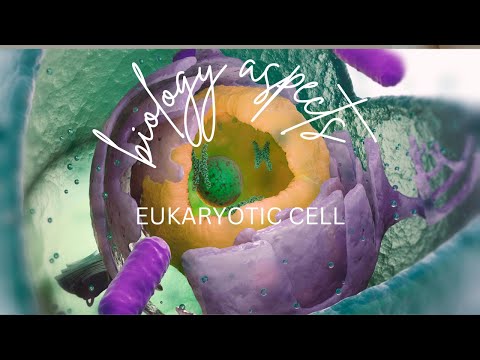
So, picture this: you’re sitting in a science class, trying to figure out what the heck a eukaryotic cell is. It’s like some alien language, right? Well, you’re not alone. I remember feeling totally mystified by it all too.
But here’s the thing: eukaryotic cells are like the rock stars of the cellular world! Seriously, they’re super cool and do a ton of stuff. Think about it — plants, animals, fungi… they all have them!
You might be wondering why they matter. Well, these little powerhouses are behind so much of what makes life possible. Let’s take a closer look at what makes them tick and why they’re so essential. You’re gonna want to know this!
Exploring the Endosymbiotic Theory: Unraveling the Origins of Eukaryotic Cells in Cellular Biology
So, you know how sometimes things in life just click together? Like, you could be piecing together a puzzle, and then suddenly, the last few pieces make everything make sense! That’s kind of what the endosymbiotic theory is all about when it comes to understanding where eukaryotic cells come from.
To break it down: eukaryotic cells are the fancy ones that make up plants, animals, fungi—basically, anything that’s not bacteria. They’re like the big leagues in cell types. But how did they become so complex? Well, that’s where this theory comes in.
The endosymbiotic theory suggests that these eukaryotic cells originated when simple prokaryotic cells—those are your basic bacteria you might have learned about—decided to team up with other prokaryotes. It’s like if a couple of friends decided to build a treehouse together instead of each person having their own tent.
Here’s how it goes:
- One day, some ancient unicellular organism swallowed another one but didn’t digest it. Instead, they formed a partnership.
- This partner was likely an early ancestor of mitochondria, the powerhouse of our cells that produces energy!
- Later on, some plant-like cells gobbled up chloroplasts, which allow plants to do photosynthesis—for those yummy greens we love eating.
- Over time, these swallowed organisms became so handy in making energy and sugars that they became part of their host cell.
You see? It’s like nature figured out that working together was way more effective than going solo! And get this—the DNA inside mitochondria and chloroplasts is actually similar to bacterial DNA. It’s like finding family photos online from long ago—you start piecing together where everyone came from!
Now imagine if you were around back then—maybe munching on some ancient algae while witnessing this merger of sorts. You’d probably think it was pretty wild! And here you are today, made up of countless little partnerships happening right within your own cells.
One thing that backs up this whole endosymbiotic theory is genetics. When scientists study mitochondrial DNA, they find traits similar to certain bacteria rather than human or plant DNA! Isn’t that mind-blowing? Just think about how interconnected everything is—even tiny guys like cells share a common history.
In summary, the endosymbiotic theory reshapes our understanding of life’s complexity by showing us how cooperation can lead to beautiful diversity in nature. So next time you’re enjoying a sunny day under a tree (with its chloroplasts doing their thing) or getting energized after a workout (thanks to your mighty mitochondria), give a little nod to those ancient partnerships! Who knew history could be found right inside us?
Exploring the Evolution of Eukaryotic Cells: Insights from Modern Science
Alright, let’s talk about eukaryotic cells! You might not think about them every day, but they’re super important for all life forms except for bacteria and archaea. These little guys are like the fancy apartments of the cellular world, with lots of compartments doing their own thing.
So, what exactly makes eukaryotic cells different? The main thing is their structure. They have a nucleus, which is like the command center for everything—storing DNA and controlling what happens in the cell. In prokaryotic cells (the simpler ones), there’s no nucleus; their DNA just floats around like it owns the place. Eukaryotes are more organized, a bit like how you might keep your room tidy versus throwing everything in a backpack.
Now, where did these complex cells come from? Scientists think it all started with a process called endosymbiosis. Picture this: billions of years ago, some smaller prokaryotic cells got swallowed up by larger ones but didn’t get digested. Instead of becoming lunch, these little guys formed a partnership; they helped each other out—which is kind of adorable when you think about it.
- Mitochondria: These are the powerhouses of the cell and were once free-living bacteria. Now they help produce energy.
- Chloroplasts: Found in plants and algae, these were also independent organisms that got incorporated to help cells harness sunlight.
You know what’s intriguing? Scientists have actually found evidence to support this theory! When they study mitochondria and chloroplasts today, they notice that they have their own DNA, separate from nuclear DNA. Plus, this DNA looks more like bacterial DNA than eukaryotic DNA! It’s kind of like finding an old photo album from your family reunion tucked away in your attic.
Another cool aspect is how diverse eukaryotes can be. Look around! You’ve got everything from tiny yeast to massive redwoods or even us humans—all are made up of eukaryotic cells! Each type has adapted to its environment over millions of years. Like that friend who always brings snacks to hangouts (that’s you), different organelles do specific jobs that keep the cell functioning smoothly.
You might be asking yourself: why does all of this matter? Well, understanding eukaryotic evolution helps us grasp how complex life emerged on Earth. It also opens doors for modern science—like genetic engineering and medicine! Plus, as we learn more about these processes, we see potential answers for preventing diseases or even designing new biofuels.
So yeah! That journey from simple prokaryotes to intricate eukaryotic systems isn’t just a story in biology books; it’s an ongoing adventure that shapes our understanding of life itself!
Eukaryotic cells, huh? They’re pretty amazing when you think about it. I mean, these little guys are like the VIPs of the cellular world! You’ve got your animal cells, plant cells, fungi… all packed with intricate structures doing their thing. It’s like a bustling city below the microscope lens.
Just picture this: there was this one time I was helping my niece with her school project. She was struggling to understand why plant cells even needed chloroplasts. So, we took a walk in the garden, and she noticed how those green leaves seemed to be soaked in sunlight. It clicked for her! Those chloroplasts are like tiny solar panels, catching sunlight to make food for the plant! It felt great to see that lightbulb moment—just like eukaryotic cells can spark a sense of wonder.
So, eukaryotic cells have a lot going on inside them. You’ve got the nucleus, which is like their command center. It holds all the DNA—think of it as the instruction manual for everything that cell is supposed to do. But that’s not all! There are mitochondria powering up the cell like little batteries. And don’t forget about ribosomes spinning out proteins—it’s like a factory assembly line inside each cell.
Now here’s what really gets me: these eukaryotic cells can form complex organisms. Kind of mind-blowing when you consider that humans and trees share some of that fundamental cellular machinery! It’s a big deal in evolution and helps explain how life has adapted over millions of years.
Sometimes though, it can feel overwhelming trying to grasp all these details in biology classes or textbooks where everything looks so precise and clear-cut. But if you step back and look at it from a bigger perspective—like those moments in nature with my niece—it becomes easier to appreciate how interconnected everything is.
So anyway, exploring eukaryotic cells isn’t just about memorizing stuff for exams; it’s about understanding life itself—the diversity, complexity, and beauty of it all! Pretty cool stuff when you get down to it, right?