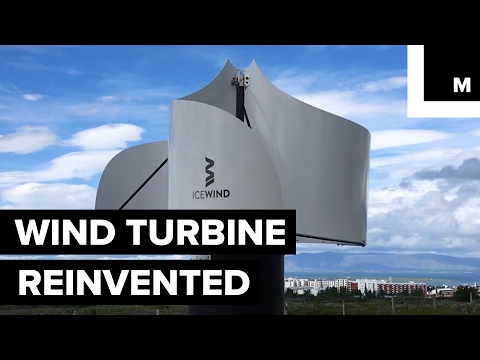
You know that feeling when you’re standing outside on a windy day, and it feels like the wind’s trying to take your hat off? Well, turns out, that same wind can do some pretty cool stuff. Imagine harnessing all that power just to keep the lights on or charge your phone!
Now, vertical wind turbines are like the quirky little siblings of the more common horizontal ones. They spin in a different way and can fit into places where big turbines just can’t go. It’s like they’re saying, “Hey! I’ve got this!”
I remember seeing one of these tall beauties on my way to work. It was spinning away right next to a busy highway, and I thought, “Wow! That’s pretty awesome.” There’s something special about making energy from something as unpredictable as the wind.
Let’s chat about how these innovative designs are changing the game in renewable energy. Trust me; it’s cooler than it sounds!
Exploring Various Vertical Axis Wind Turbine Designs: Innovations and Science Behind VAWT Technology
So, vertical axis wind turbines (VAWTs) are pretty cool, if you think about it. Unlike the more common horizontal axis wind turbines (HAWTs), which look like giant pinwheels, VAWTs have blades that spin around a vertical axis. This can make them super useful in places where wind comes from different directions. Let’s get into some of the key designs and innovations behind these fascinating machines.
Types of VAWTs
There are mainly two designs of VAWTs: the Savonius and the Darrieus.
- Savonius Turbine: Think of it as two scoops facing opposite directions. It’s simple and works well in low-wind speeds. The design is inspired by the shape of a spoon, so when wind hits it, the scoops catch the air and spin the turbine. It’s not super efficient but great for urban areas where space is tight.
- Darrieus Turbine: This one looks more like an eggbeater with curved blades. It can generate more power at higher wind speeds compared to Savonius. However, it usually needs a little help to start spinning – kind of like that friend who needs a gentle push to get excited about going out!
Both types have their perks and downsides, depending on what you’re looking for.
Innovations in Blade Technology
Now, let’s talk about some of the innovative tech behind these blades! Recent advancements focus on materials and aerodynamics.
- Composite Materials: Using lighter materials like carbon fiber or fiberglass makes blades stronger yet lighter. This means they can capture more energy without putting too much stress on their structure.
- Aerodynamic Shapes: Designers are getting creative with blade shapes to improve efficiency. Curved blades can reduce drag while maximizing lift – basically helping those blades cut through air better!
And get this: some researchers are even experimenting with flexible blades that can adjust based on wind conditions! That’s like having your favorite jacket that automatically zips up tighter when it gets windy outside.
The Science Behind It All
Understanding how these turbines work involves a bit of physics – but don’t worry! I’ll keep it simple.
Wind energy is all about harnessing kinetic energy from moving air. When air flows over a turbine blade, it creates pressure differences: high pressure on one side and low pressure on the other. This difference spins the turbine.
But here’s a fun twist: the angle of attack—basically how tilted or straight your blade is relative to airflow—can dramatically affect performance. Too steep? You’ll create drag instead of lift! Not enough angle? You won’t spin efficiently either.
And did you know that VAWTs are often quieter than their horizontal counterparts? If you’ve ever been near one of those big HAWTs, you know they can be noisy! VAWTs tend to hum softly instead – kind of a bonus for peaceful neighborhoods!
The Future Looks Bright!
With growing interest in renewable energy, research into VAWT technology is booming! More engineers are exploring hybrid models combining strengths from both VAWT designs or integrating smart tech for monitoring performance remotely.
The trend toward urban renewable energy sources implies we could see more VAWTs popping up on rooftops or alongside highways soon enough!
So that’s a brief stroll through vertical axis wind turbine designs and what makes them tick! It’s inspiring how science keeps pushing boundaries – who knows what exciting innovations we’ll see next?
Exploring the Latest Innovations in Wind Turbine Design: Advancements and Impacts on Renewable Energy
Wind energy is such a big deal these days, and for good reason. It’s clean, renewable, and can help reduce our dependency on fossil fuels. But you know what makes it even cooler? The **latest innovations in wind turbine design**, especially when we’re talking about vertical wind turbine blades. So let’s get into it!
First off, let’s talk about what a vertical wind turbine looks like. Unlike the traditional horizontal ones that you probably see on wind farms, vertical turbines have blades that are oriented vertically. This design offers some nifty advantages!
- Better efficiency in turbulent winds: Vertical turbines can catch wind coming from any direction! This means they’re less affected by turbulence or sudden gusts.
- Lower maintenance: Since they’re typically easier to reach, maintenance can be done without needing fancy equipment like cranes, making everything simpler and often cheaper.
- Compact size: Vertical wind turbines are usually smaller and can even be installed in urban areas without taking up too much space.
Now, let me tell you about one particularly exciting development: **the design of curved blades**. These blades are shaped to maximize lift while minimizing drag – think of them like airplane wings turned sideways! They allow for more effective energy conversion at lower wind speeds. Imagine living in an area where the breeze isn’t always strong but still being able to generate power; that’s pretty neat!
And here’s something emotional for ya: I once visited a small town where they set up several of these vertical turbines right near homes. The locals were so excited because not only were they generating their own electricity and significantly reducing their bills, but they also felt more connected to the environment. It was like watching a community embrace sustainability on a personal level.
Another cool advancement is using **new materials** for creating the blades. You know how traditional turbine blades are often made from heavy materials? Well, modern designs incorporate lightweight composites which makes them durable yet flexible enough to withstand strong winds without breaking easily. Less weight means it’s easier to move them and install them too!
Oh, and let’s not forget about **smart technology integration**! Some innovative designs come with sensors that monitor performance in real time—adjusting blade angles based on wind conditions to optimize energy capture constantly. That’s like having a personal assistant managing power generation 24/7!
But with innovation comes impact—and we need to be aware of that too. As more **vertical wind turbines** pop up, we’ve gotta consider how they might affect local wildlife or landscapes—you follow me? It’s essential for designers to keep ecological impacts at the forefront.
In summary (just bear with me!), there’s so much happening in the world of vertical wind turbine blade technology right now. From curved blades maximizing efficiency to smart tech keeping things running smoothly—it all amounts to making renewable energy even more accessible and practical for everyone.
So next time you see those graceful giants turning in the breeze, just know there’s some pretty exciting stuff happening behind the scenes! It’s a hopeful reminder that with innovation comes change—a positive change we really need!
Exploring the Limitations of Vertical Wind Turbines: An Analysis in Renewable Energy Science
When we talk about vertical wind turbines, there’s a lot of excitement about their potential. But, let’s be real for a second; they come with their own set of limitations. You know, it’s not all sunshine and rainbows.
First off, efficiency is a biggie. Vertical wind turbines usually don’t capture wind as efficiently as their horizontal counterparts. They can generate power, sure, but not always enough to compete at scale. It’s like trying to catch butterflies with a net that has holes in it—you might catch some, but you’ll miss most.
Then there’s design complexity. These turbines often have more moving parts compared to the simpler horizontal designs. This can make them harder to maintain and can lead to more breakdowns over time. It’s like owning an older car; sometimes it seems like you’re always fixing something!
Another point is windspeed adaptability. Vertical turbines are generally less effective in high winds. High winds can actually create challenges for their design because the blades don’t respond as well to changing wind conditions. It’s kind of like trying to ride a bicycle into a gusty storm—it gets tricky!
And let’s not forget about noise pollution. Some designs can be louder than others, which may annoy your neighbors who just want some peace and quiet during Sunday brunch! So that’s something else to consider if you’re thinking about where to put one.
Now, when it comes to space requirements, vertical wind turbines take up less space horizontally but can be taller than you’d expect! If you’re putting one up somewhere urban or on small plots of land, that height might just block out sunlight or views—definitely not great for condo dwellers!
Oh, and here’s another thing: the aesthetic appeal. Some folks think they look cool—kind of futuristic—while others say they’re an eyesore. Beauty is in the eye of the beholder, right? What looks sleek to one person might look totally weird to another.
So yeah, while vertical wind turbines can play a role in renewable energy solutions—especially in urban settings where space is tight—they’re not the end-all solution just yet. The limitations are significant, and understanding them makes for better decisions down the line.
In summary:
- Efficiency: Not as efficient as horizontal designs.
- Design Complexity: More moving parts may lead to higher maintenance needs.
- Windspeed Adaptability: Struggles with high winds.
- Noise Pollution: Some models are noisier than you’d like.
- Space Requirements: Can be tall and block views or sunlight.
- Aesthetic Appeal: Opinions vary on how they look.
So next time you see one of these turbine marvels spinning away, remember all that goes into making them tick—or not tick quite so well!
You know, when I first stumbled across vertical wind turbines, I was completely fascinated. Like, the idea of using wind to generate energy is not new, right? But vertical designs? That’s where it gets interesting. So picture this: you’ve got these sleek blades that spin around a central axis, and they’re kind of like tall flowers swaying in the breeze. It’s both enchanting and practical—who knew that aesthetics could play a role in renewable energy?
What really blows my mind are the innovative designs coming into play lately. Some of these blades don’t just sit there; they’re engineered to catch more wind from any direction. It’s like they’re saying, “Bring it on, wind!” And guess what? Their unique shapes can reduce noise and vibration too. I remember watching a documentary where a community installed one of these beauties and ended up powering their local farms. The looks on those farmers’ faces when they realized they could generate their own energy—it was priceless!
Now, while traditional horizontal turbines have been around for ages and work great for large-scale power generation, those vertical ones bring some neat advantages to the table. They can be shorter and more compact, which is especially handy if you live in an urban area where space is limited or if you just want something aesthetically pleasing without dominating the skyline.
But here’s the thing: as with any cool tech, there are challenges. Efficiency can be an issue since some designs aren’t as effective at higher speeds compared to their horizontal counterparts. It’s like trying to ride your bike uphill while wearing roller skates—definitely possible but tricky!
Still, the potential for innovation keeps growing. Engineers are experimenting with new materials and blade shapes that might overcome those hurdles. Imagine a future where neighborhoods aren’t just collecting energy from giant wind farms miles away but generating their own right above their houses! That would change everything.
Anyway, it’s exciting to think about how innovation might reshape our relationship with energy sources. For me personally? It feels hopeful—a reminder that we can create beautiful solutions for our planet’s needs. Each time I see one of those turbines turning slowly against a sunset backdrop, it kinda feels like we’re moving towards something better together. And that’s a thought worth holding onto!