You know those moments when you mix vinegar and baking soda, and suddenly you’ve got a mini volcano in your kitchen? That fizzing, bubbling reaction is kinda like the drama that happens in chemistry when certain compounds meet.
Now, let’s talk about acid anhydrides. Yeah, sounds fancy, but stick with me! These little guys play a key role in all sorts of chemical reactions. They’re like the introverts at a party—quietly powerful, but super essential to the whole vibe.
Imagine stepping into a world where bonds are formed and broken faster than you can say “chemical reaction.” You’ll find acid anhydrides lurking around, making things happen in ways that might just surprise you.
Understanding Acid Anhydrides: Key Concepts and Applications in Chemistry
So, acid anhydrides might sound a bit intimidating at first, but once you break it down, it’s not so scary. Basically, acid anhydrides are compounds formed from acids by removing water. When you hear “anhydride,” just think about it like “without water.” These compounds play a pretty cool role in chemistry, especially when it comes to creating new substances.
Here’s how it works: imagine you have acetic acid (that’s the stuff that gives vinegar its kick). When two molecules of acetic acid come together and lose a water molecule, they form acetic anhydride. This process is essential in organic chemistry because it allows chemists to manipulate molecules without introducing extra water into the mix.
Now, why do we care about these anhydrides? Let’s break down some key points:
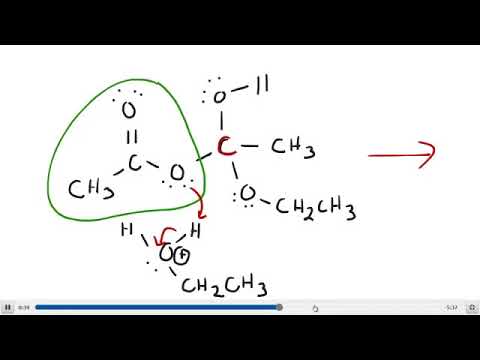
- Reactivity: Acid anhydrides are super reactive and can easily interact with other compounds. They can react with alcohols to form esters, which are important in making flavors and fragrances.
- Simplifying reactions: By using acid anhydrides instead of acids directly, reactions can be more efficient and cleaner because you’re avoiding excess water that can mess things up.
- Diverse applications: These compounds are used in pharmaceuticals for synthesizing various drugs. For example, aspirin is made from salicylic acid reacting with acetic anhydride; talk about a practical use!
The cool thing here is the flexibility of acid anhydrides. They can be used not just with simple alcohols but also with amino acids and other functional groups. It’s like they’re the ultimate team players in the world of chemistry—able to bond with many different partners to create new substances.
A little anecdote: I remember working on a project where we had to synthesize some esters for a perfume recipe. The teacher brought up how using acid anhydrides made things easier since we didn’t have to deal with all that pesky water vapor getting in the way. I never thought science could smell so good!
Lastly, let me mention their role in biochemistry. Some biochemical pathways use acid anhydrides as intermediates or active forms of compounds. This shows their importance beyond just lab settings—they’re part of life’s chemical processes! It reminds us that these “fancy” terms actually come alive in real-world applications.
You see? Understanding acid anhydrides gives you insight into how complex molecules interact and help create everything from perfumes to medications!
Understanding Anhydrides: Key Functionalities and Applications in Chemistry
Anhydrides may sound a bit intimidating, but they’re really just a cool group of chemical compounds that play important roles in chemistry. So, let’s break it down in a way that makes sense.
First off, an anhydride is formed when you remove water (H2O) from a substance. You know how sometimes you leave a wet shirt out, and it dries up? Anhydrides are like that—but for chemicals! They usually come from acids. When an acid loses water, poof! You have an anhydride. For example, when you take acetic acid and get rid of a water molecule, you get acetic anhydride.
Now, about those acid anhydride bonds. They are typically formed between two acid molecules. Think of them as the glue holding parts of the molecule together but without any water involved. This structure is what makes their reactivity so interesting.
These bonds can react with different kinds of molecules to form new compounds. It’s kind of like pairing socks with shoes—if you find the right match, you create something awesome! Here are some key functionalities:
- Reactivity: Acid anhydrides often react with alcohols to produce esters—those lovely compounds used in flavors and fragrances.
- Synthesis: They’re essential in creating polymers like plastics. Ever heard of PET? Yep, that’s partially made using acid anhydrides.
- Hydrolysis: They can also hydrolyze back into acids when mixed with water—sort of like coming full circle!
So why do we care? Well, these functionalities make them useful in various industries—from pharmaceuticals to materials science.
I remember once working on a school project that involved synthesizing some esters using acetic anhydride. We mixed it with alcohols and watched as our concoction transformed into fruity smells. It was both educational and fun (and let me tell you, our classmates were pretty impressed!). It really brought home how these reactions work.
To wrap it up: anhydrides might sound tricky at first glance but think of them as versatile tools in the world of chemistry—kind of like Swiss Army knives! Their ability to form bonds and react with other molecules makes chemistry not just easier but also more exciting!
Understanding the Function Group of Acid Anhydrides in Organic Chemistry
Alright, so let’s talk about acid anhydrides! These compounds are pretty cool in the world of organic chemistry. They’re like special cousins to acids. When you hear “acid anhydride,” think two acid molecules that have lost a water molecule between them. Sounds simple, right? But what they do is really interesting!
The main thing to know is that acid anhydrides are generally formed from carboxylic acids. Picture this: if you take acetic acid (that’s vinegar, by the way) and heat it up with another molecule of acetic acid, they can combine to form acetic anhydride. Super neat!
- Structure: An acid anhydride has a structure where two carbonyl (C=O) groups are linked by an oxygen atom. This is key because it influences how they react.
- Reactivity: Acid anhydrides are typically more reactive than their parent carboxylic acids. They can easily participate in reactions to form esters or amides when they come into contact with alcohols or amines.
- Usefulness: You’ll find these bad boys in many chemical syntheses and even in the production of polymers.
You might be wondering why this matters, huh? Well, combustion or reaction speed often depends on these compounds! For example, when you mix acetic anhydride with something like ethanol (which is found in drinks!), it produces ethyl acetate—an important solvent used in nail polish remover.
A little story for you: I once tried making a DIY project involving esters for a sweet-smelling experiment. I mixed some vinegar and alcohol thinking I’d create my fragrant masterpiece—didn’t realize I was actually using acetic anhydride! The smell wasn’t what I expected but led me down a rabbit hole into real chemistry experiments!
In summary, understanding the function group of acid anhydrides opens up a whole world of organic reactions. You see how they bridge different chemical structures and enhance our ability to create new substances?
You’ve got those carbonyl groups bonding together through oxygen; it’s like holding hands across a gap! Acid anhydrides truly represent the magic of organic chemistry—it’s all about connections and transformations!
Alright, so let’s chat about acid anhydrides and what’s up with those bonds. It might sound super technical, but stick with me – it actually relates to some pretty cool stuff in chemistry!
First off, you gotta know that these acid anhydrides are basically compounds formed from two acids by losing a molecule of water. Crazy, right? It’s like when you try to save space in your backpack by tossing out your water bottle – you get rid of some extra stuff to fit everything else nicely. In this case, the two acids come together, shedding water and making something new.
These bonds play a crucial role in different chemical reactions. For example, when they interact with alcohols, they can create esters. That’s pretty neat because esters are what give fruits their lovely smells – think about the sweet scent of strawberries or oranges! So every time you smell something fruity, there’s a little bit of acid anhydride magic happening somewhere in nature.
I remember a lab experiment back in school where we made an ester from acetic anhydride and ethanol. I thought it was going to be boring science stuff, but wow! The smell was like a tropical vacation! It really stuck with me how these compounds could bring such joy through chemistry.
But here’s the kicker: as useful as these bonds are, they can be tricky too. They react quite vigorously! If not handled right, they can cause burns or irritate your skin. Just think about that moment when you accidentally touch something hot while cooking—yikes! So yeah, it’s essential to respect these compounds.
So next time you’re enjoying a fruity snack or savoring the aroma of your favorite perfume (which often contains esters), just remember—you’ve got those acid anhydrides to thank for it! Chemistry isn’t just dry formulas on a page; it’s alive and kicking all around us. You see what I mean?