You know that feeling when you’re hungry, and suddenly, you could swear the smell of pizza is calling your name from down the block? Well, that’s your endocrine system working its magic!
It’s like a behind-the-scenes crew making sure everything runs smoothly. Seriously! This system’s got hormones performing all sorts of tasks, from managing growth to regulating your mood.
Imagine juggling a bunch of balls while riding a unicycle—yep, that’s kind of what your body does every day. Crazy, right?
So grab a comfy seat because we’re about to take a chill trip through the anatomy and physiology of this incredible system. It’s more interesting than it sounds, promise!
Understanding the Endocrine System: A Simple Explanation for Everyone
The endocrine system is like your body’s internal mail service, sending out messages through hormones to control a bunch of essential functions. So, what’s the deal with it? Well, let’s break it down.
What are hormones? They’re basically chemical messengers. Think of them as little notes that travel around in your bloodstream, telling different parts of your body what to do and when to do it. For example, if you’re hungry, hormones signal your brain it’s time for a snack!
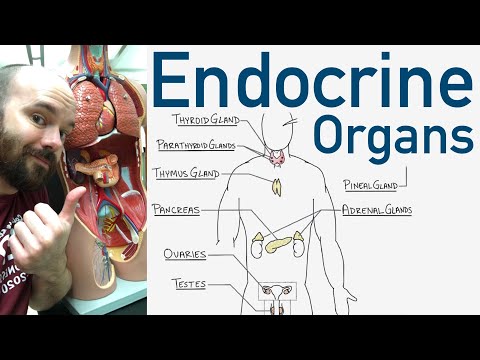
Major players in the endocrine system include glands such as:
- Pituitary gland: Known as the “master gland,” it controls other glands and regulates growth and metabolism.
- Thyroid: This butterfly-shaped gland is important for regulating metabolism. It controls how your body uses energy.
- Adrenals: These sit on top of your kidneys and help manage stress by producing adrenaline.
- Pancreas: It helps regulate blood sugar levels by releasing insulin.
- Ovaries and testes: These produce sex hormones that influence reproduction and secondary sexual characteristics.
Now, let’s chat about how this whole thing works together. Picture this: you’re out running, really getting into it. Your body needs energy fast! Your adrenals pump out adrenaline to boost heart rate and release glucose into the blood. Meanwhile, the thyroid is also kicking in to keep your metabolism churning nicely.
The feedback loop, a key concept of how this system operates, is super interesting! Imagine you’ve eaten a delicious meal; insulin gets released from your pancreas to help absorb all those sugars into cells. As blood sugar levels drop back down, the pancreas senses that change and slows insulin production down again.
Here’s where things can get tricky, though! Sometimes the endocrine system might misfire a bit—for instance, if someone has diabetes because their body isn’t producing enough insulin or isn’t using it effectively. That can lead to all sorts of issues if not managed well.
Another example? Stress! If you’re constantly under pressure—like at work or dealing with personal issues—your adrenal glands could be pumping out adrenaline too much. This chronic stress response can lead to health problems over time.
Think of the endocrine system as a well-tuned orchestra; every gland needs to play its part at just the right time for everything to sound good together. Keep in mind that every change in our environment or physical state sends signals that affect hormone release.
So there you have it—a simplified rundown on the endocrine system! It has way more complexity under the surface than we’ve covered here, but grasping these fundamental concepts can help you appreciate how amazing our bodies really are!
Understanding the Physiological Processes of the Endocrine System: A Comprehensive Overview
So, let’s chat about the endocrine system! It’s kind of like the body’s long-distance communication network. This system is all about hormones—those chemical messengers that zip around your bloodstream, telling different parts of your body what to do.
Firstly, the endocrine system includes a bunch of glands that release hormones directly into your blood. These glands include the **pituitary gland**, **thyroid**, **adrenals**, **pancreas**, and more. Each has specific jobs and works in harmony to keep everything balanced.
1. The Pituitary Gland: Often called the “master gland,” it controls other glands and regulates important functions like growth and metabolism. Imagine it like a conductor in an orchestra, making sure each musician (or gland) hits their notes at the right time.
2. The Thyroid: This butterfly-shaped gland sits at the base of your neck and produces hormones that regulate your metabolism—the rate at which you burn energy. Picture it as a thermostat for your body’s energy use!
3. The Adrenal Glands: These sit on top of your kidneys and produce hormones like adrenaline, which helps you respond to stress or danger—think “fight or flight.” Ever had that rush when you almost miss a step? That’s adrenaline doing its thing!
4. The Pancreas: It plays a crucial role in regulating blood sugar levels through insulin and glucagon—two hormones that work together like a seesaw to keep your glucose levels just right.
Now let’s not forget about feedback loops—these are vital for maintaining balance in our body, sort of like balancing on a bike. For example, if your blood sugar gets too high after eating, insulin is released by the pancreas to help lower it back down.
But here’s where it gets really wild: sometimes these communication lines can get crossed or disrupted; imagine trying to call someone whose phone is turned off! Conditions like diabetes can occur when insulin isn’t produced properly or when cells stop responding to it.
You know, I once read about someone who became really interested in how their body worked after they were diagnosed with diabetes. They dove into understanding how insulin functions and even learned how to monitor their blood sugar levels effectively! It turned into this empowering journey of knowledge where they took charge of their health.
So anyway, in short—the endocrine system might seem complex at first with its many components and interactions but think of it as an intricate dance where each hormone plays its part perfectly when everything is working well together! And when things go off-track? Well, then it’s back to figuring out how to find harmony again!
Exploring the Nine Key Components of the Endocrine System: A Comprehensive Overview
The endocrine system is an intricate network that keeps your body’s functions running smoothly. It’s like the ultimate backstage crew for your hormonal show! Let’s break it down into the nine key components, making it easy to understand.
1. Hypothalamus: This little guy is located in the brain and works like a control center. It links the nervous system with the endocrine system and helps regulate temperature, hunger, and thirst. Imagine it as a thermostat for your body.
2. Pituitary Gland: Often called the “master gland,” it sits just below the hypothalamus. This tiny gland pumps out hormones that control other glands, influencing everything from growth to stress responses. It’s kind of like a conductor directing an orchestra!
3. Thyroid Gland: Situated in your neck, this butterfly-shaped gland is crucial for metabolism, energy levels, and even heart rate. Think of it as a fuel gauge for your body; if there’s too much or too little fuel (hormones), things can get wonky.
4. Parathyroid Glands: These four tiny glands hang out on the back of your thyroid gland. They regulate calcium levels in your blood and bones. Too much or too little calcium can lead to serious issues—like muscle cramps or bone pain!
5. Adrenal Glands: Perched on top of each kidney, these glands produce adrenaline and cortisol—two hormones that help you deal with stress and regulate metabolism. Ever feel that rush before a big presentation? That’s adrenaline kicking in!
6. Pancreas: This organ plays dual roles: part of the digestive system and part of the endocrine system. It produces insulin which controls blood sugar levels; think of it as maintaining balance—too much sugar can lead to diabetes.
7. Ovaries (in females): These are responsible for producing estrogen and progesterone, which govern menstrual cycles and pregnancy. They’re like nature’s way of ensuring reproduction happens smoothly.
8. Testes (in males): These guys produce testosterone, which plays a key role in male development and reproductive functions, influencing everything from muscle mass to mood.
9. Pineal Gland: This is a small gland that produces melatonin, regulating sleep-wake cycles—like setting an alarm clock inside your body! When it gets dark outside, melatonin helps signal it’s time to wind down.
So there you have it! Each component of this remarkable system works together to maintain homeostasis—the balance within you ensuring everything runs as it should! Isn’t it amazing how our bodies manage all these processes without us even thinking about them? Just remember: when one part goes out of sync, others may too, causing some pretty interesting side effects!
So, let’s talk about your endocrine system for a sec. You know, that network of glands that plays a huge role in keeping everything in balance? Yeah, it’s pretty wild how much goes on behind the scenes with hormones and all that jazz.
Picture this: You’re chilling at home, and suddenly someone starts talking about their thyroid, which gets you thinking about yours. It’s not the most riveting topic at a party, but hey, it’s crucial for everything from your metabolism to mood swings. And honestly, I remember when my friend was feeling super sluggish and we discovered her thyroid levels were off. She had no idea how much it affected her daily life!
So here’s the deal with these glands: they’re like little messengers scattered throughout your body. You’ve got your pituitary gland—often called the “master gland”—and then there are others like the adrenal glands that handle stress-hormone production. Each one has its own job to do, sending out hormones into your bloodstream like tiny postal workers delivering messages across town.
You know how when you’re stressed out or anxious? That’s your adrenal glands in action, pumping out cortisol faster than you can say “breathe.” It’s crazy to think about how interconnected everything is. One gland’s issue can throw off so many other systems!
And then there’s insulin from the pancreas—super important for regulating blood sugar levels. If it’s not doing its job right? Well, you’ve probably heard of diabetes by now. That can really change someone’s life in ways they never expected.
Do you also realize how our bodies crave balance? It’s called homeostasis—this fancy word basically means keeping things stable despite what life throws at you. When something gets knocked out of whack, it can have ripple effects everywhere.
It blows my mind sometimes just thinking about all these hormones interacting like some sort of intricate dance happening inside us every day! Seriously! The next time you’re feeling a bit off or extra emotional over something small, consider that it might just be those sneaky hormones playing tricks on you.
So yeah, while anatomy and physiology might sound super technical (and kind of boring), it’s actually a beautiful mess of interactions that shape who we are and how we feel! Who knew our bodies had such an organized chaos going on beneath the surface?