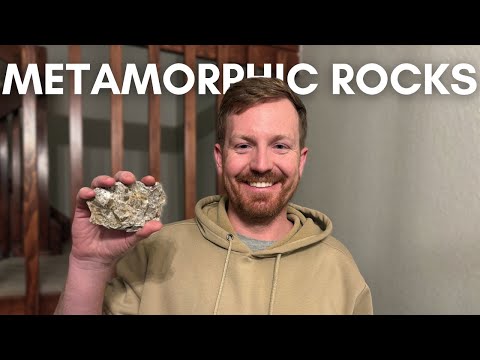
You know that moment when you’re out hiking, and you spot a rock that looks totally out of place? Like, did this rock just decide to crash the party? Well, that’s how I felt the first time I learned about aureole geology.
So, here’s the deal. Aureoles are these fascinating zones around igneous intrusions where the heat from molten rock messes with the surrounding rocks. It’s like nature’s way of throwing a hot stone into a calm pond and watching how the ripples spread out. Pretty cool, right?
But it gets even better! These hot spots help scientists understand how our planet works—how tectonic plates shift, how minerals form, and even what was happening deep down in Earth’s crust eons ago.
So buckle up! We’re about to take a little trip through this wild world of geology where rocks tell stories more thrilling than any movie plot. Ready?
Exploring the Four Key Types of Geological Processes in Earth Science
So, when we talk about geology, you’re entering a realm where the Earth is constantly changing, reshaping itself through various processes. There’s a lot going on beneath our feet that we might not even notice! Basically, geologists break these processes into four main types: tectonic, volcanic, erosional, and sedimentary. Let’s explore them together!
Tectonic Processes
This is all about the movements of the Earth’s plates. Imagine giant puzzle pieces floating on a slippery surface. When they bump into each other, it can lead to earthquakes or create mountains. You know that saying “what goes up must come down”? Well, in geology, what goes up can also go sideways or even tilt! This movement is responsible for some major changes on the planet.
- For example, when two plates collide, they can push one up over the other to form mountain ranges like the Himalayas.
- If they pull apart? That can create new ocean floors!
Volcanic Processes
This one’s like nature’s way of releasing steam from a pressure cooker. Volcanoes erupt when magma rises from deep within the Earth. When this magma breaks through to the surface, it can cause dramatic changes in landscape—think lava flows and volcanic islands.
- The Hawaiian Islands? They were formed by hot spots where magma pushes through tectonic plate boundaries.
- And sometimes these eruptions are more explosive than others—just look at Mount St. Helens!
Erosional Processes
Erosion is like Mother Nature’s own clean-up crew. It gradually wears down rocks and soil through wind and water movement. Picture a river slowly carving its way through rock over thousands of years—it’s super slow but incredibly powerful! Erosion shapes valleys and creates landscapes we recognize today.
- The Grand Canyon? Yep, that was formed through millions of years of erosion by the Colorado River.
- Even glaciers play a role in erosion as they move massive amounts of earth while advancing and retreating.
Sedimentary Processes
This process involves sediments collecting over time—like laying down layers of cake. These layers might come from eroded materials or even organic matter like shells. Over time, with pressure and heat, those layers can harden into sedimentary rock.
- You’ll often find fossils in sedimentary rocks because they preserve remnants of ancient life.
- This type of rock is crucial for understanding Earth’s history since it records past environments!
An interesting tidbit: many geological features you see today have been shaped by these processes acting together over millions of years!
So there you have it! The four key geological processes are tectonic movements shaking things up below our feet; volcanic eruptions reshaping landscapes; erosion carving out valleys; and sedimentation creating layers that tell us stories about our planet’s past. Isn’t it amazing how dynamic our Earth really is?
Exploring the Four Major Geologic Processes: A Comprehensive Overview in Earth Science
So, let’s talk about the **four major geologic processes** that shape our planet. You might not realize it, but Earth is like this huge, dynamic painting that keeps changing. There’s a lot going on below our feet. Ready? Here’s a closer look!
1. Plate Tectonics
Alright, so the Earth’s crust is split into pieces called tectonic plates. They float on a layer of molten rock beneath them. Sometimes these plates bump into each other or slide apart, causing earthquakes and even volcanic eruptions! Pretty intense stuff, huh? For example, when the Pacific Plate grinds against the North American Plate, you get cool places like California with its fault lines.
2. Volcanoes
Speaking of volcanoes, they are another key player in geology! When pressure builds up in the Earth’s mantle, magma forces its way to the surface and BOOM—volcano time! This can create new landforms over time. Krakatoa is a famous volcanic eruption that literally reshaped islands back in 1883.
3. Erosion and Weathering
Now let’s chat about erosion and weathering. So basically, these processes break down rocks and soil—think of it as nature’s slow makeover session. Rain, wind, and ice wear away what’s solid over time. A good example is how rivers carve through mountains to create valleys—like the Grand Canyon! You can really see how powerful these gentle forces can be in action.
4. Sedimentation
Lastly, we’ve got sedimentation! After erosion does its thing and breaks down materials into smaller bits, those particles get carried away by water or wind and settle somewhere else—sometimes forming rocks again or just piling up on riverbanks or ocean floors over gazillions of years. It’s like nature taking a nap sometimes before waking up to create something new!
So yeah, these four major geologic processes work together in this amazing dance that continuously transforms Earth’s surface. Each one links with the others; for instance, plate tectonics causes volcanic activity which affects erosion patterns too.
To sum it up:
- Plate Tectonics: Movement of Earth’s crustal plates.
- Volcanoes: Eruptions that reshape land.
- Erosion & Weathering: Breaking down rocks through natural forces.
- Sedimentation: Depositing materials in new locations.
And man oh man! Just thinking about the constant changes happening all around us makes me appreciate how lively our world really is!
Understanding Contact Aureole: Its Significance in Geology and Geological Processes
When we talk about a **contact aureole**, we’re stepping into the realm of geology, specifically concerning metamorphic processes. Basically, this is a zone of altered rock that forms around an intrusion of molten rock, or magma. Picture it like a cozy blanket wrapping around your favorite chair after you’ve sat down and warmed it up. This “blanket” can tell geologists a whole lot about what went on deep within the Earth.
You see, when magma pushes its way into existing rock formations—let’s say, granite for example—it heats up the surrounding rocks. This intense heat causes them to change. The process is called **metamorphism** and it creates various types of metamorphic rocks. The contact aureole reflects different types of metamorphic grades depending on how close you are to the heat source.
So here’s where it gets interesting:
- Temperature Gradient: The temperature decreases as you move away from the magma source. Close to the intrusion, you’ll find highly altered rocks; farther out, they might only show slight changes.
- Mineral Changes: New minerals form based on temperature and pressure conditions. For instance, if you start with limestone near a hot intrusion, you might end up with marble.
- Understanding Geological History: These aureoles can reveal past geological events and help reconstruct the history of an area—like reading a book but with rocks!
Now imagine standing at the edge of an ancient volcano that erupted millions of years ago. The contact aureole surrounding that old lava can tell stories about its formation and activity. It’s like finding clues in a puzzle!
But wait—there’s more! Contact aureoles can really vary from place to place depending on several factors:
- Magma Composition: Different types of magma (like basalt versus granite) will affect how much heat is released and how intense the metamorphic changes are.
- Host Rock Type: The original rock type matters too! A sedimentary rock will react differently than an igneous rock when hot magma rolls in for a visit.
- Pressure Conditions: The depth at which these processes happen influences how rocks transform as well.
Let’s get real for a second. I remember hiking through some mountains once where I found layers of schist right next to granite. It was fascinating because those schist layers indicated some past heat exposure due to volcanic activity nearby!
In summary, understanding contact aureoles gives geologists insight into Earth’s dynamic processes and its history over millions of years. They help us piece together events like volcanic eruptions or tectonic movements that have shaped our planet in profound ways—so every little change in those rocks has its own story to tell!
Aureole geology is one of those topics that, at first glance, might not sound super exciting. But once you dig a little deeper—pun intended—you realize it’s like peeling back the layers of a giant earth onion.
So, what even is aureole geology? Well, it basically involves studying metamorphic rocks that form around igneous intrusions. Imagine the Earth as this massive pizza, with molten rock that sneaks its way up through existing layers and cooks them up a bit. Those higher temperatures and pressures change the original rocks into something new and shiny. It’s like transforming a plain old potato into crispy fries!
I remember a school trip to a rocky outcrop where we learned about this stuff. The guide pointed to dark streaks in the light-colored granite and said they were evidence of these high-pressure conditions. I couldn’t help but think about how many years it took for those rocks to get there! It felt like being in the presence of Earth’s history—every layer told stories of times long past.
These aureoles remind us of how dynamic our planet really is. You see, the Earth isn’t just sitting still; it’s moving and changing all the time, thanks to processes like plate tectonics and volcanic activity. Sometimes it feels overwhelming to think about how tiny we are in comparison to these gigantic geological forces.
And here’s where it gets cool: studying these areas can give us insight into everything from mineral resources to potential natural disasters. So you could say they’re not just pretty rocks—they hold secrets we can use!
In short, while aureole geology might not be everyone’s cup of tea, understanding it helps connect us with the planet’s history and ongoing processes. Every rocky outcrop has its tale, waiting for someone curious enough to look closer!