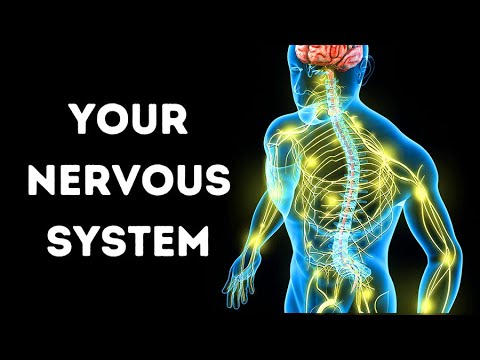
So, picture this: you’re at a party, and someone spills punch all over the floor. Chaos ensues, right? Someone yells, people laugh, and then—bam!—you realize you’re about to slip. In that split second, your nervous system just saved you from a faceplant. Pretty wild!
The human nervous system is like your own personal superhero squad. It’s got these incredible gadgets doing everything from making your heart race to letting you feel that tickle on your arm when a bug lands. Seriously, it’s one of the most complex and fascinating things out there.
Think about it: it controls every teeny tiny movement you make and helps you process every thought that zips through your mind. Amazing, huh? It’s like an orchestra playing a symphony of signals all day long!
Let’s take a closer look at this remarkable network because there’s so much going on under your skin—and it’s high time we appreciate the wonders of our own biology! You ready?
Exploring the Complexity and Wonders of the Human Nervous System: A Comprehensive PDF Guide for Science Enthusiasts
The human nervous system is like the body’s communication network. It’s intricate and awe-inspiring, working day in and day out to keep everything running smoothly. You know, when you touch something hot, your body reacts quickly to pull away. That’s your nervous system at work!
First off, let’s break down its main parts. The nervous system has two major components: the central nervous system (CNS) and the peripheral nervous system (PNS). The CNS consists of the brain and spinal cord. Think of it as your control center—where all the big decisions happen! The PNS connects the CNS to the rest of your body, acting like a messenger.
Now, here’re a few fascinating bits about how it works:
- Neurons: These are the basic building blocks of the nervous system. They transmit signals from one part of your body to another. Imagine them as little messengers zipping around!
- Synapses: When neurons communicate, they do so through synapses—tiny gaps between them. It’s kind of like passing notes in class but way faster!
- Nerve impulses: These are electrical signals that travel along neurons. They’re super quick; sometimes they can go at speeds over 200 miles per hour! Crazy, right?
There’s also something called neurotransmitters—chemical messengers that help transmit signals across synapses. You can think of these guys as delivery workers bringing packages from one neuron to another.
The brain itself is divided into several parts that each have unique roles:
- Cerebrum: This is where thinking happens—the fancy stuff like reasoning and problem-solving.
- Cerebellum: Responsible for coordination and balance. Ever tried dancing? Yeah, thank your cerebellum for not falling over!
- Brainstem: It controls basic functions like breathing and heartbeat—essential stuff you don’t even have to think about.
But wait! There’s more! Your nervous system also includes the automatic processes that keep everything running without you realizing it—things like digestion or sweating when it’s hot outside.
One time I was playing basketball with friends, and I totally missed a shot because my brain was busy processing too many things at once—like where my friends were on the court or what move I’d try next if someone passed me the ball. That’s just how complex our brains are—you’re juggling multiple thoughts in split seconds!
In total harmony or chaos—depending on how you look at it—the human nervous system manages a vast array of functions every single day. From sensing danger to remembering your favorite song lyric—it’s all interconnected!
So next time you feel a rush when your crush walks by or get chills from an amazing song, remember: it’s all thanks to this incredible network we’ve got inside us!
Exploring the Complexity of the Human Brain: Understanding the Nerve Count and Its Scientific Implications
So, let’s talk about the human brain and its incredible complexity. You know, this squishy organ weighs about three pounds, but it’s packed with mysteries! One of the coolest things about it is the number of nerves we have—seriously mind-blowing.
The human brain contains roughly 86 billion neurons. Yeah, you heard that right! We’re talking billions of tiny cells that communicate with each other to keep everything running smoothly. Each neuron can have thousands of connections to other neurons, forming a vast network. Imagine a city with incredibly complicated road systems—it’s like that!
But here’s where it gets even cooler: each neuron can connect to up to 10,000 other neurons. This means there are literally trillions of connections in our brains! These connections form pathways that allow us to think, feel, and move. That’s why our brains are super efficient at processing information and responding to the world around us.
Now, think about how your brain helps you ride a bike or remember a song. It’s all thanks to these neural networks working together seamlessly. It’s wild! What this also suggests is that the more we learn or practice something, the stronger those connections become—like building muscle through exercise.
But wait! There’s more. Various factors can influence these nerve connections. For example:
- Experience: As you try new things or learn skills, your brain rewires itself.
- Age: Younger brains tend to be more plastic (flexible) than older ones.
- Health: Factors like sleep and nutrition play huge roles in how well our brains function.
And here’s an emotional note: I remember when I was learning to play guitar as a kid. Every time I practiced, my fingers fumbled over the strings. But slowly—over days and weeks—my brain was adjusting those neural pathways until one day I could play without even thinking about it. That moment? Pure magic!
There are so many implications tied up in understanding nerve counts and their functions too. For instance, researchers believe that studying these neural networks could help us better understand conditions like Alzheimer’s or Parkinson’s disease. If scientists can figure out what goes wrong in these networks with illness, they may find ways to help restore those lost connections!
In short, the human brain is like an intricate web of countless pathways connecting billions of neurons which interact and adapt based on our experiences and health.
So yeah, while we’ve made strides in understanding this intricate system over centuries of research, there’s still so much left to uncover about our wonderful brains and how they shape who we are!
Exploring the 7 Trillion Nerves in the Human Body: Insights into Neural Networks and Functionality
Did you know the human body has around 7 trillion nerves? That’s a mind-blowing number, right? Well, these nerves are part of what we call the nervous system, and they’re crucial for everything we do. From running to thinking to even feeling a gentle breeze on your skin, our nerves are in charge of all those sensations.
So, the nervous system is made up of two main parts: the central nervous system (CNS) and the peripheral nervous system (PNS). The CNS includes your brain and spine. It’s like the control center. All your thoughts, memories, and emotions happen here. The PNS is like a big network connecting everything else—organs, limbs—back to that control center.
Now let’s chat about those 7 trillion nerves. Most of them fit into two types: sensory neurons and motor neurons. Sensory neurons pick up signals from our environment. So when you touch something hot, sensory neurons send that ‘ouch’ signal straight to your brain! On the flip side, motor neurons are responsible for sending commands from your brain to muscles. Like when you decide to wave at a friend; your brain tells your arm what to do!
The connections between these neurons form complex webs called neural networks. Imagine them as tiny highways for information. Neurons communicate through electrical impulses and chemical signals—somewhat like texting your buddy but way faster! This communication happens at special junctions called synapses.
And here’s where it gets interesting: each time you learn something new or experience something different, those neural networks change! It’s like reorganizing furniture in your room; there’s always room for improvement or rearrangement based on what fits best.
But why should we care about all this? Because understanding how our nervous system works can lead to groundbreaking discoveries in medicine! Take Alzheimer’s disease as an example—it’s linked to changes in neural networks. By unlocking those secrets, we could find better treatments or even preventive methods.
To wrap this up (I promise I’m almost done!), think about how amazing it is that there are around 7 trillion nerve connections working together so you can live life fully. Next time you feel a tingle or react quickly, just remember—you’ve got a universe inside you made up of these tiny messengers doing their job. It’s pretty incredible when you think about it!
You know, the human nervous system is one of those things that just blows my mind. I mean, think about it: this intricate network controls everything we do, feel, and think. It’s like the ultimate command center for our whole body. From the tiniest twitch of a muscle to the deepest thoughts about life, all of it is managed by this amazing system.
I remember once when I was trying to learn how to ride a bike. At first, my brain felt like a scrambled egg—coordinating pedaling, steering, and balancing all at once? Pure chaos! But somehow, after a few wobbly attempts and some scrapes on my knees, my nervous system kicked in and made it all seem second nature. That’s when I realized how incredible our bodies are; it’s like they have their own built-in GPS guiding us through life.
So here’s the thing: our nervous system can be broken down into two main parts. There’s the central nervous system (CNS), which is made up of the brain and spinal cord—basically your body’s mainframe computer. And then there’s the peripheral nervous system (PNS), which branches out and connects every part of your body to that central hub. It’s responsible for sending messages back and forth so you can react to stuff in real-time. Like when you accidentally touch something super hot—your hand pulls away before you even consciously realize what’s happening!
But it gets even cooler with all those tiny neurons firing off signals faster than you can say “wow.” These brain cells communicate through synapses using neurotransmitters, which are chemicals that relay messages between them. Just imagine billions of little electrical sparks zipping around your brain every second! Sometimes I think about how these connections shape our experiences and memories—kinda poetic if you ask me.
And then there are things like reflexes that remind us how automatic our bodies can be under certain conditions. You know? Like when your knee gets tapped at the doctor’s office? You kick without even thinking about it! That’s your nervous system hard at work making sure you’re safe and responding quickly.
It seems daunting at times with all its complexity—like why does stress sometimes cause our hands to shake or make our hearts race? But it also shows just how wonderfully adaptable we are through experiences. So yeah, whether it’s feeling joy from a good laugh or responding to danger in an instant, the wonders of our nervous system keep us connected not just to ourselves but also to everyone else around us.
All in all, realizing how intricately everything connects makes me appreciate my own body more—not just as a machine but as this beautiful orchestrator of life experiences. So next time you feel something or think deeply about anything? Just pause for a second and marvel at that remarkable network inside you doing its thing!