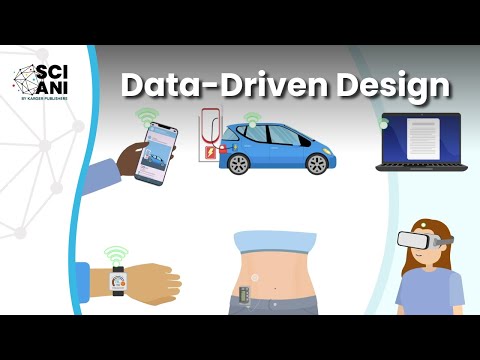
You know that feeling when you open your fridge and see a mountain of leftovers? You think, “How did I let it get this bad?” Well, that’s kind of like big data right now. We’re swimming in information, and if we don’t tackle it smartly, it can feel overwhelming.
Picture this: scientists are sifting through heaps of data like it’s an epic treasure hunt. But instead of gold coins, they’re finding insights that could change the world! Seriously, big data has the potential to revolutionize everything from medicine to climate science.
But here’s the twist—it’s not just about crunching numbers. It’s about storytelling. You’ve got all this info, but without a narrative, it’s just… well, boring stats. So how do we spice it up and make science accessible? That’s where outreach comes in.
You follow me? Let’s dig into how big data can actually spark innovation and connect scientists with the rest of us. Grab a snack—this is going to be fun!
Exploring the 3 C’s of Big Data in Scientific Research: Challenges, Complexity, and Context
When we talk about Big Data in scientific research, three C’s come to mind: Challenges, Complexity, and Context. Each one shapes how scientists use, analyze, and interpret the massive amounts of information available today. Let’s dig into each of these a bit.
Challenges are everywhere in the world of Big Data. Imagine trying to drink from a fire hose—that’s what it can feel like for researchers dealing with data streams. First off, there’s the issue of storage; where do you even keep all this data? Then there’s data quality—some data can be messy and full of errors, making it tough to draw solid conclusions. Plus, let’s not forget about privacy concerns. With so much personal information floating around, researchers have to navigate ethical considerations like a tightrope walker!
- Data Volume: The sheer amount of information is overwhelming. We’re not just talking about numbers but also images, videos, and text.
- Data Variety: Different types of data require different approaches to analysis. Combining them can be tricky.
- Data Velocity: The speed at which data is generated demands real-time processing and analysis.
The second C, Complexity, refers to the intricate nature of analyzing Big Data. You know how some puzzles have thousands of pieces? Well, that’s kind of what analyzing big datasets is like! With various sources contributing different formats—think social media posts vs. scientific articles—it takes advanced tools and algorithms to make sense of it all. It’s not enough to just look at the numbers; you need to find patterns or trends that might not be immediately obvious.
The other layer here is that many traditional analytical methods just don’t cut it anymore for Big Data systems! So researchers are often reaching for machine learning algorithms or artificial intelligence techniques that can handle this level of complexity—those are powerful tools that can uncover insights you might miss otherwise.
- Algorithms: These help researchers find hidden patterns within vast datasets.
- The Interdisciplinary Approach: Collaborating across fields like computer science and biology often yields richer insights.
Context. Without context, data doesn’t mean much. A number can tell a story but only when paired with real-world implications. For example, consider health research related to illness spread; knowing infection rates without understanding demographic factors doesn’t help much in creating effective public health policies! Context helps scientists focus on what’s important and leads them toward actionable insights that can really make a difference in society.
The location where data was collected also matters—a result in one country might not apply universally due to cultural differences or environmental factors!
- Cultural Context: Understanding social behavior helps explain why certain trends emerge.
- Temporal Context: Knowing when data was collected gives insight into its relevance and reliability.
Exploring the Impact of Big Data on Innovation in Life Sciences
Big data is like a massive library, but instead of books, it’s filled with information—from medical records to research findings and even social media posts. And when you think about life sciences, that library becomes a treasure chest! It’s seriously changing the way we approach health care and research.
So, what’s the big deal about big data in this field? Well, for starters, it helps researchers spot trends that were hard to see before. For example, by analyzing massive amounts of genetic information from patients, scientists can identify patterns related to diseases. This means they can develop personalized treatments that are tailored to individual genetic profiles. You know how every superhero has their unique powers? Well, each person’s genes have their own quirks too!
Predictive analytics is another interesting area where big data shines. It allows scientists to predict outbreaks of diseases before they happen. Let’s say health officials notice an increase in flu symptoms reported on social media in a specific area—they can use that info along with other data to prep hospitals before things get out of hand. Kind of like having your own personal weather forecast but for illnesses!
Now let’s talk about drug discovery. Traditionally, finding new drugs was like searching for a needle in a haystack—it took ages! But with big data analysis, researchers can sift through existing drug databases and clinical trial results much faster. They might find new uses for old drugs or discover entirely new compounds quicker than ever before.
Another cool aspect is how big data promotes collaboration among scientists worldwide. Imagine being able to share findings instantly with someone halfway across the globe! That opens up so many possibilities for joint research projects and sharing insights that could speed up innovations in treatments or technologies.
But it’s not all rainbows and sunshine—there are challenges too. There are serious concerns about patient privacy when dealing with sensitive health information. Regulations must be in place to ensure data security while also allowing for the innovative use of this precious info.
So yeah, big data is really reshaping life sciences in incredible ways! It allows us to understand diseases better, personalize treatments more effectively, and even make some pretty accurate predictions about public health threats down the line.
In summary:
- Spotting trends helps personalize medicine.
- Predictive analytics lets scientists foresee disease outbreaks.
- Faster drug discovery means quicker access to new treatments.
- Global collaboration enhances innovation through shared knowledge.
- Privacy concerns need careful handling.
So keep an eye on this space—the future looks exciting!
Unlocking the Power of Big Data in Scientific Research: Strategies for Effective Utilization
The world of scientific research has changed so much thanks to big data. It’s like we’ve been handed a massive library, but instead of books, we have heaps of information waiting to be explored. And when you start digging into this treasure trove, there are some really cool strategies to make the most out of it.
One major thing is **data collection**. Think about all the sensors, satellites, and even social media that gather information every second. This means that researchers can now access **real-time data** from various sources, helping them understand trends much faster than ever before. For instance, climate scientists can track weather patterns and ocean temperatures in real-time to see how the planet is reacting to changes.
Once you have all this data, it’s crucial to have a solid **data management plan**. Without organization, it can feel like trying to find a needle in a haystack! You’ll want to ensure that the data is stored properly and easily accessible for analysis. Using databases or cloud storage systems can help keep everything neat and tidy.
Then comes **data analysis**, where the real magic happens! Using tools like machine learning or statistical software means researchers can find patterns and make predictions without manually sifting through enormous datasets. Picture this: scientists studying diseases can analyze patient records quickly to identify potential risk factors or treatment outcomes in large populations.
Another cool strategy is fostering **collaboration** among researchers from different fields. When you combine expertise from biology, computer science, and social sciences—just imagine what insights could emerge! By working together, teams can approach problems from multiple angles and utilize various data sources efficiently.
And let’s not overlook the importance of **data visualization**! Sometimes numbers just don’t cut it; visuals can tell stories that spreadsheets can’t. Graphs, maps, and interactive dashboards help people grasp complex findings quickly—like showing how air quality changes over a city with funky charts!
With all these strategies in mind, there are some challenges too! Issues around privacy and ethical use of data must be addressed rigorously. For example, researchers need to anonymize personal information before sharing data sets or using them for studies so people’s identities remain protected.
In short, harnessing big data in scientific research opens up so many doors for innovation! It’s about being smart with how we gather and use information. When done right with proper strategies—collecting wisely, managing efficiently, analyzing deeply, collaborating broadly, and visualizing clearly—the possibilities are endless! Together we unlock powerful insights that drive our understanding of everything from human health to environmental changes!
Big Data. It’s one of those buzzwords that gets thrown around a lot, but it really is kinda amazing when you think about it. Picture this: a massive ocean of information, just swirling around us, waiting to be tapped into. You know how sometimes you can feel lost in your own thoughts? Well, scientists can feel that way too when trying to make sense of all the data out there.
Imagine being in a bustling city, where every person you pass has a story. Each data point is like one of those people, filled with insights and experiences. That’s what Big Data offers—a chance to weave together stories that can lead to serious scientific breakthroughs. For instance, researchers can analyze health data from thousands of patients to spot trends that would be invisible in smaller samples. It’s like taking snapshots from different angles and finally getting a clear picture.
There was this moment I read about where scientists used Big Data to track the spread of diseases during an outbreak. They pulled information from social media posts, hospital records, and even environmental data! What they found helped public health officials respond faster and save lives. It’s incredible when you think about how interconnected we all are and how much we can achieve together.
But it’s not just about the science itself. Big Data has real potential for outreach too, helping make complex ideas more accessible to everyone. Like sharing research findings through interactive apps or visualizations—something that can turn dry numbers into engaging stories that folks resonate with.
Of course, there are challenges—like privacy concerns or the risk of misinterpretation—but these hurdles are part of the journey too! You know what they say: no challenge, no change!
At the end of the day, harnessing Big Data isn’t merely about accumulating piles of information; it’s about using it wisely to innovate and connect with people on a deeper level. Every dataset has a heartbeat—it tells us who we are and where we might be heading. So as we continue exploring this vast landscape together, let’s remember: it’s not just numbers; it’s humanity woven into every byte!