You know that feeling when you try to assemble a piece of IKEA furniture without the manual? Yeah, it’s so frustrating! You end up with extra screws and zero idea what you did wrong. Well, in the world of cells, coding strands are like that trusty manual we all wish we had.
So, like, mRNA is this cool molecule that helps translate our genetic information into proteins—those little workers that do everything in our body. But here’s the kicker: it needs coding strands to tell it what to do! Without those strands, it would be like trying to follow a recipe without knowing if you’re baking cookies or a lasagna.
In this little chat about mRNA, we’ll dive into how those coding strands play such a big role in this whole process. Trust me—it’s way more interesting than assembling furniture!
Understanding the Coding Strand for mRNA: Insights into Molecular Biology and Genetic Expression
Understanding the Coding Strand for mRNA can initially feel like diving into a complicated pool. But stick with me, and I’ll try to make it simple!
So, let’s start from the basics. In our cells, there’s this thing called DNA, which holds all the genetic instructions for building and maintaining life. Think of it like a recipe book. But here’s the catch: these recipes can’t be cooked up directly. Instead, they need to be copied into something called mRNA (messenger RNA). That’s where the coding strand comes in!
You have two strands of DNA – let’s say one is the coding strand and the other is the template strand. The coding strand is dubbed “coding” because it has the same sequence as mRNA (except for some small changes – mRNA has uracil instead of thymine). So, when scientists or anyone talks about a gene being expressed, they’re often referring to this coding strand.
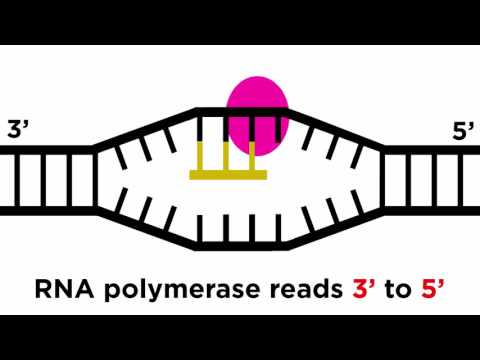
What really stands out about mRNA synthesis is that it doesn’t just pop up out of thin air. It’s actually crafted during a process called transcription. Here’s how it works: RNA polymerase—an enzyme that’s like a hardworking chef—runs along the DNA template strand, creating an mRNA strand by matching complementary nucleotides.
To give you an idea, if your coding strand reads ATTGCA, then your corresponding mRNA will read AUUGCU after transcription happens!
Now let’s get personal for a moment – I remember when I first learned about transcription in school. I was overwhelmed at first but then realized how cool it was! All these tiny cellular machines are working together just so we can grow and heal. Isn’t that mind-blowing? This intricate dance of molecules makes life possible.
After it’s formed, what happens to this freshly minted mRNA? Well, once it’s made, it leaves the nucleus and heads out into the ribosome – think of that as a bustling kitchen where proteins are made using our recipes (or genes). There’s another step here called translation where ribosomes read that mRNA code and create proteins based on it.
Here’s where things get even better:
Imagine trying out a new dish at your favorite restaurant only to find they changed one ingredient; could totally change your experience!
To sum everything up: Coding strands are essential players in our genetic expression game. They guide how mRNAs are formed and set everything rolling toward creating proteins essential for life’s functions.
So next time you hear about mRNA or think about genetics, you’ll know that behind it all lies that clever little coding strand doing its thing!
Understanding the Role of the mRNA Coding Region in Protein Synthesis: Insights from Molecular Biology
Alright, let’s chat about something super cool in molecular biology: the role of the mRNA coding region in protein synthesis. Seriously, it’s like the blueprint for making proteins, which are basically the building blocks of life. You with me?
So, first off, what is mRNA? Well, it stands for messenger RNA. It’s a single-stranded molecule that carries genetic information from DNA to the ribosomes, where proteins are actually made. The coding region of mRNA is crucial—this is where the instructions for assembling amino acids into proteins live.
The process begins when a gene on your DNA gets copied into mRNA through transcription. This is like taking a recipe from a cookbook and writing it down on a piece of paper. The part of the gene that becomes mRNA includes exons (the bits that actually code for proteins) and usually some extra stuff at both ends.
Here’s something interesting: not all RNA is created equal! While mRNA focuses on delivering these protein-making instructions, there are other types of RNA doing different jobs. For instance:
- tRNA: Transfer RNA helps bring amino acids to the ribosome.
- rRNA: Ribosomal RNA makes up the ribosome itself and plays a role in assembling proteins.
Now back to our buddy mRNA! Once it’s made, it leaves the nucleus and heads straight for the ribosome. But before it can do its job, there’s some processing that happens:
- The 5’ cap: This little guy protects mRNA from degradation and helps it get recognized by the ribosome.
- Poly-A tail: A string of adenine nucleotides added to one end to stabilize mRNA and support translation.
You see how these modifications help keep our precious coding region safe? It’s kind of like putting a protective cover on your favorite book before you take it out!
Once processed, you’ve got this snazzy mRNA ready to go! The ribosome reads its sequence in groups of three nucleotides called codons. Each codon corresponds to a specific amino acid—these are what make up proteins. Imagine each codon as a word in a sentence, where together they create meaning!
The beauty here is how precise everything is—if even one little nucleotide gets changed or messed up during this whole process? Yikes! That could lead to errors in protein synthesis which might cause issues down the line.
I remember when I was first learning about this stuff; I was blown away by how tiny changes could have huge effects! It really drove home how delicate and intricate life at this level truly is.
So next time you’re thinking about all those amazing processes happening inside your cells, just remember: without that trusty coding region in mRNA leading the way, protein synthesis wouldn’t happen nearly as smoothly!
This whole dance between DNA, RNA and proteins? It’s pretty much life itself at work—fascinating stuff!
Understanding the Significance of Coding Strand Sequence in Molecular Biology
The coding strand of DNA is a big deal in molecular biology. So, let’s break it down, shall we? This strand holds the sequence that will eventually be turned into messenger RNA (mRNA), which is crucial for making proteins in our cells. And proteins? Well, they pretty much run the show when it comes to functions and structures in your body.
The coding strand is also known as the sense strand. It has the same sequence as mRNA, except that in RNA, thymine (T) gets swapped out for uracil (U). This means when you see an A on the coding strand, there’s a U on mRNA. Simple enough, right?
Now, let’s talk about how this all works during a process called transcription. In transcription, an enzyme called RNA polymerase rolls up to the DNA and starts unwinding it. It reads the coding strand and uses it as a template to build mRNA. You follow me? So if your coding strand has a sequence like ACGTACG, your mRNA will read UGCAUGC. This mRNA then gets processed and eventually leaves the nucleus to do its thing in translating proteins.
But here’s where things get even cooler! The sequence of the coding strand isn’t just random chatter; it actually encodes important information for building proteins by specifying amino acids. Each group of three nucleotides (called a codon) on the mRNA corresponds to one amino acid. For example:
- AUG codes for Methionine.
- UUU codes for Phenylalanine.
- GGC codes for Glycine.
This system is basically what makes our genetic code work! Imagine if you had different words but didn’t know what they meant—it’d be super confusing.
Also worth mentioning: mutations can happen in these sequences. If there’s a change in the coding strand sequence due to a mutation—like adding or deleting a nucleotide—it can lead to changes in protein structure and function. Some mutations are harmless, some can cause diseases; it’s like playing with building blocks where one misplaced piece might make your tower wobble!
And let’s not forget about regulation. The expression of genes from the coding strands can be turned on or off depending on various signals from inside or outside of cells. This regulation ensures that proteins are made only when needed—a bit like having just enough lights on for your late-night snack runs!
To wrap this up: understanding how coding strands work opens doors to grasping everything from basic genetics to complex diseases. The journey starts here with that vital sequence wrapped up in our DNA! If you think about it, every person is kind of like their own unique recipe book full of these amazing codes waiting to create something extraordinary!
Okay, so let’s talk about coding strands and mRNA synthesis. You might be thinking, “What’s that even mean?” Well, coding strands are like little blueprints for making proteins—the stuff that basically does everything in our bodies. They’re part of the DNA structure, you know? And when cells need to make a protein, they first create something called mRNA (messenger RNA), which is like a messenger carrying the instructions from DNA to the ribosome—the cell’s protein factory.
The process is pretty wild when you break it down. First off, the DNA unwinds. Imagine a zipper on your jacket being pulled down. Then, one strand of that twisted ladder gets copied into mRNA. This is super important because mRNA then leaves the nucleus and heads out into the rest of the cell. So cool! It brings all those necessary instructions to build specific proteins.
Just so you can picture how vital this is: think about when you’re trying to bake cookies without a recipe—total chaos! You might end up with some weird mix of ingredients that probably tastes like chalk (yikes!). Without mRNA acting as your recipe guide, your body would be in serious trouble trying to figure out how to make proteins.
I remember this one time in school when we had this biology project where we had to sculpt different parts of a cell using clay. I made my ribosome look like a tiny pasta machine—maybe not my best work! But it made me realize how every part plays its role in creating life as we know it.
And here’s another interesting thing: sometimes there can be mistakes during this whole process of copying and synthesizing mRNA—a bit like typos while typing a text message. Those errors can lead to malfunctioning proteins and contribute to diseases. So yeah, it’s not just about making things; it’s about making them correctly too!
In short, coding strands are crucial because they ensure our bodies function properly by directing how proteins are made through mRNA synthesis. It’s all interconnected and pretty darn impressive when you think about how such tiny processes underlie everything we do. It’s just one more reminder of how incredible life really is!