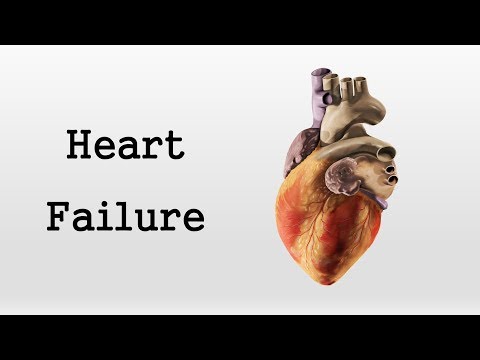
You know when you’re trying to fit way too many clothes into a suitcase? Yeah, that’s kind of what happens to your heart when it’s struggling with decompensated heart failure. It’s like, “Hey, I can’t handle this much!” Then everything starts to go sideways.
So, picture this: you’re sprinting up a hill after your dog because he spotted a squirrel. Your heart is pumping like crazy, and suddenly it feels like it’s just… not keeping up anymore. That’s sort of what it’s like for people dealing with heart failure. Their hearts are in a real bind, trying hard to get oxygen and blood where it needs to go but just can’t manage the load.
Decompensated heart failure is a bit of a mouthful but basically means your heart’s taken on more than it can chew. You get symptoms like breathlessness and swelling—totally not fun.
Let’s break down how this all works and what happens when the heart’s only half-heartedly doing its job!
Understanding the Pathophysiology of Heart Failure: Key Mechanisms and Implications in Cardiology
Heart failure is a serious condition when the heart doesn’t pump blood as well as it should. There are a few ways this can happen, and it’s pretty important to understand what’s going on behind the scenes, right? So, let’s break down some key mechanisms and implications in cardiology!
What is Heart Failure?
At its core, heart failure means your heart struggles to keep up with the body’s demands for blood. It might look like a tired old engine that just can’t give you the speed you need anymore. There are different types: some people have what we call “systolic” heart failure where the heart can’t pump out enough blood. Others may deal with “diastolic” heart failure where the heart can’t fill up properly between beats.
The Pathophysiology
Now, when we talk about pathophysiology, we’re diving into how this malfunction happens at a biological level. It typically starts with some kind of injury to the heart muscle—maybe from high blood pressure or a past heart attack. This injury triggers a series of responses that are meant to help but often make things worse.
- Neurohormonal Activation: The body tries to compensate by releasing hormones like adrenaline and norepinephrine. Initially, this helps boost the heart’s performance but over time, these hormones can do more harm than good.
- Fluid Retention: Another response is fluid retention due to hormonal signals that want to increase blood volume. Sounds good, right? But too much fluid leads to congestion in lungs and other areas—think swimming in an uncomfortably full bathtub!
- Structural Changes: The actual structure of the heart changes too—this is called remodeling. The walls might thicken or stretch out in weird ways which further messes up how well it works.
So picture this: you’re running late for an appointment and push your car harder than usual. At first, it seems fine! But after a while? That poor car starts acting up because you’ve stressed it too much.
The Symptoms
What does all this lead to? Common symptoms include fatigue, shortness of breath (especially when lying down), swollen legs and ankles… basically feeling pretty crummy most of the time. You get winded just walking around your house or feel like you’re carrying bricks in your feet!
Treatment Implications
Understanding these mechanisms has big implications for treatment strategies in cardiology! Doctors often use medications that aim at counteracting these abnormal responses:
- ACE Inhibitors: These are used to relax blood vessels and lower blood pressure.
- Beta-blockers: They help slow down your heartbeat and reduce stress on your heart.
- Diuetics: These help get rid of extra fluid from your body.
It’s kind of like giving your car some TLC by checking its oil or cleaning out its filters!
The Bottom Line
Heart failure isn’t just one thing; it’s a complex interplay of factors causing real havoc on an essential organ. By grasping these underlying mechanisms, we not only understand why patients experience certain symptoms but also how best to treat them effectively.
So next time someone talks about their struggles with heart health, you’ll know there’s way more going on than meets the eye! Just remember—every tiny mechanism matters in keeping that little muscle working strong!
Comprehensive Guide to the Pathophysiology of Heart Failure: Downloadable PDF Resource for Scientific Study
Heart failure is, you know, one of those conditions that can sound a bit daunting. It’s when your heart doesn’t pump blood as effectively as it should. There are a few different types, but let’s focus on **decompensated heart failure**. This is like when your heart is thrown into chaos and can’t keep up with the body’s demands.
So, what does “pathophysiology” even mean? Well, it’s just a fancy way of saying how the disease works in the body. When we talk about **the pathophysiology of decompensated heart failure**, we’re looking at how things go wrong.
To start things off, let’s break it down:
1. The Heart’s Structure and Function: Your heart has four chambers: two atria and two ventricles. Under normal conditions, blood flows through these chambers smoothly. But in decompensated heart failure, this flow can get messed up.
2. Causes of Decompensation: Several factors can trigger this state:
3. The Role of Neurohormonal Activation: When the heart struggles to pump blood effectively, your body kicks into gear trying to fix things. This means hormones like **norepinephrine** shoot up, which can make your body hold onto water and salt to increase blood volume—but this can lead to swelling and increased strain on the heart.
Imagine getting stressed out before a big exam; you might drink a ton of coffee for energy—temporarily helpful but ultimately just making you jittery! That’s kind of what happens here.
4. Changes in Blood Flow: When things go south with your heart function:
* The body may redirect blood flow away from less vital organs (hello cold hands and feet).
* Your kidneys may notice decreased blood flow too—and guess what? They start grabbing onto sodium and water to keep blood pressure up!
It’s like if you had two friends fighting over limited pizza slices; they might take extra slices just because they feel there’s not enough to go around!
5. Symptoms You Might Notice: As this mess unfolds inside you:
Each symptom tells us something important about how badly the heart is struggling.
6. Diagnosis: So how do doctors figure out what’s going on? They’ll typically use tools like echocardiograms or MRIs—kind of like high-tech selfies—for your heart! These allow them to see how well your ventricles are squeezing and whether there are other issues at play.
In essence, managing decompensated heart failure isn’t just about treating symptoms; it’s digging deep into that pathophysiology stuff—understanding why the chain reaction started in the first place.
And remember: staying informed about these processes is key for both patients and caregivers alike! Keeping tabs on what’s happening inside can really help in understanding treatment options better.
Keeping an eye on related resources or studies can help expand your understanding if you’re curious about diving deeper into all this information!
Understanding the Pathophysiology of Heart Failure: Comprehensive Flowchart Analysis
Heart failure is like that annoying neighbor who doesn’t know when to quit, you know? It’s where your heart struggles to pump blood effectively. This can happen for a bunch of reasons, and understanding the pathophysiology behind it can give us insight into why it impacts people so differently.
First, we should talk about the heart’s anatomy. The heart has four chambers: two atria on top and two ventricles below. When everything works well, these chambers cooperate to circulate blood throughout the body without any issues. But if something goes wrong, like damage or disease, that’s when heart failure sneaks in.
So, what exactly goes wrong? Well, think of your heart as a team player. In heart failure, it can be seen struggling to keep up with its duties. Here’s how this happens:
- Myocardial Dysfunction: This refers to the damage in the heart muscle itself. It could be caused by conditions like high blood pressure or previous heart attacks.
- Fluid Overload: When the heart isn’t pumping well, blood can back up and cause fluid retention. Ever noticed swollen ankles or shortness of breath? Yup, that’s your body trying to signal something’s off!
- Neurohormonal Activation: When the heart struggles, your body activates hormones like adrenaline and renin-angiotensin-aldosterone system (RAAS). It’s kind of like throwing fuel on a fire—these hormones increase blood pressure but also make things trickier for your already tired heart.
Now onto decompensated heart failure, which is when symptoms worsen suddenly. Picture this: you’re cruising along fine one day but then BAM! You’re hit with fatigue and difficulty breathing just walking up the stairs. That sudden change represents a tipping point where things are spiraling out of control.
In this state, various factors can play into why it gets worse so quickly:
- Increased workload: Think about exercise—too much without proper training can lead even an athlete to struggle! The same idea applies here; if your heart is facing more resistance due to high blood pressure or other stressors.
- Atrial Fibrillation: This is an irregular heartbeat that often shows up in patients with heart failure—and it definitely doesn’t help keep things stable!
- Meds or Lifestyle Changes: Sometimes stopping medication or not adjusting lifestyle (like less exercise or bad diet) can lead to rapid deterioration.
Understanding all these nuances helps you see that managing heart failure isn’t just about treating symptoms; it’s about addressing multiple angles at once.
It’s also crucial to note that there are two main types of heart failure: **systolic** and **diastolic**. In systolic failure, the muscle can’t contract properly; in diastolic failure, it’s more about relaxing inadequately between beats. So basically, whether your muscle is too weak or too stiff affects how you feel overall.
We’ve been talking about a serious issue here—heart failure isn’t just a medical condition; it’s life-altering for millions across the globe. But knowing what happens inside our bodies when we’re faced with such challenges gives us hope. You see? Understanding these mechanisms opens doors for better treatments and even preventative measures down the line!
Heart failure can sound like one of those medical terms that just float around, but when you dig into it, man, it hits home. It’s like when your phone battery is running low—everything slows down and glitches start happening. That’s kinda what goes down in your heart during decompensated heart failure.
So, basically, the heart’s job is to pump blood around your body, giving oxygen and nutrients to all those hardworking cells. But in cases of heart failure, the heart isn’t pumping as effectively—like trying to push water through a crumpled straw. When it gets really bad—decompensated heart failure—it starts to fail even more dramatically.
Imagine someone you love who’s always been full of energy suddenly feeling weak and short of breath after just a short walk. You know? It’s heartbreaking. The body tries to adapt at first; it releases certain hormones like adrenaline to help the heart keep going. But over time, it gets overwhelmed and needs extra help.
You might have heard about symptoms like swelling in the legs or rapid breathing—these happen because fluid can build up when the heart can’t keep up with demand. It’s frustrating! It’s as if the body is trying so hard but just can’t make things work smoothly anymore.
Now, on a more scientific note, when we talk about pathophysiology here—that’s just a fancy way of saying how these processes play out at a biological level—it involves understanding how various parts of the body respond when the heart starts struggling.
The kidneys might retain more water and salt to help maintain blood pressure but that just adds more fluid for the failing heart to handle. Talk about a vicious cycle! And other systems get involved too; for instance, your lungs can fill with fluid causing that dreaded shortness of breath.
Feeling this kind of wear and tear not only affects physical health but also takes an emotional toll on patients and their families. Seeing someone you care about go through this is tough—you want them to be okay again, you know?
Understanding this whole mess helps not just for treatment but also for compassion towards people living with these conditions. They’re dealing with so much more than just technical symptoms; they’re facing real challenges in their daily lives as their bodies struggle.
So next time you hear someone mention decompensated heart failure or see someone dealing with it, take a moment to think about what that really means. Because beyond those medical terms lies a very real human story about struggle, resilience, and hope amidst health challenges.