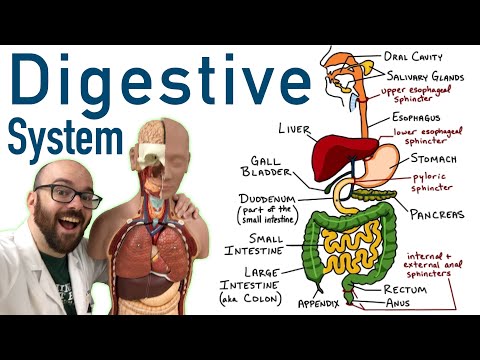
You know that feeling when you’re super hungry, and you can practically hear your stomach growling like it’s a bear waking up from hibernation? Yeah, it’s a trip!
Well, that’s your digestive system kicking into gear, ready to turn that burger you just inhaled into energy. Crazy, right?
Let’s take a little journey through this wild ride called the human digestive system. It’s more complex than you might think! From gnawing on food to turning it into the fuel you need, it’s like an intricate factory working behind the scenes.
So, come on! Let’s play tour guide for a moment and check out this fascinating diagram together. You’re gonna love seeing how everything connects in there!
Detailed Labeled Diagram of the Human Digestive System for Class 7 Science
The human digestive system is like a complex factory that breaks down the food we eat into all those little nutrients our body needs. Imagine it as a long tube, starting from the mouth and going all the way to the stomach, then the intestines, and eventually out. It’s quite a journey! Let’s take a closer look at its parts and how they work together.
Mouth: This is where it all begins. When you take a bite of food, your teeth start chewing it up into smaller pieces. Your saliva, which is that watery stuff in your mouth, has enzymes that begin breaking down carbohydrates even before you swallow. So yes, eating is more than just munching!
Esophagus: After swallowing, the food moves down this muscular tube called the esophagus. It’s like a slide for your food! Muscles at the top squeeze to push the food down to your stomach. Kind of cool how it just slides right down, huh?
Stomach: Now we reach the stomach. Think of this as a mixing bowl where all your food gets churned up with digestive juices. The stomach has walls that can really squeeze and squish! It turns your food into liquid mush called chyme. And don’t forget about the acid here—it’s super strong and helps kill germs in what you eat.
Small Intestine: The chyme then moves into the small intestine. This part is really important because it’s where most of digestion happens! The small intestine is about 20 feet long (no kidding!) and has tiny finger-like projections called villi lining its walls. These villi are crucial because they absorb nutrients from your digested food into your bloodstream.
Pancreas: Right next to the small intestine is this organ called the pancreas. It produces enzymes that help digest fats, proteins, and sugars—basically giving you more energy from what you’ve eaten! Think of it as adding some special fuel for your body.
Liver: Then there’s also the liver, which makes bile—a fluid that helps break down fats in foods you eat. So when you’re munching on those fries or that slice of pizza, remember there’s some serious behind-the-scenes work happening thanks to bile!
Gallbladder: The gallbladder stores bile until it’s needed in the small intestine to help digest fats better—kind of like keeping extra gas for when you’re running on empty.
Large Intestine (Colon): After all those nutrients are absorbed in the small intestine, what’s left over moves into the large intestine or colon. Here’s where water gets absorbed back into your body, and what remains becomes waste—not so exciting but super important!
Anus: Finally comes out through here as waste after everything else has been taken care of inside our bodies.
So there you have it—a whirlwind tour through our digestive system! Each part plays a special role in helping us get all those goodies from our favorite foods while getting rid of what’s not needed anymore.
- Mouth: Chewing & breaking down with saliva.
- Esophagus: The slide carrying food to stomach.
- Stomach: Mixing bowl for digesting foods.
- Small Intestine: Nutrient absorption powerhouse.
- Pancreas: Enzyme producer for digestion.
- Liver: Bile maker for fat digestion.
- Gallbladder: Bile storage unit.
- Large Intestine: Water absorption & waste formation.
- Anus: Waste exit point.
Every bite we take sends us on an adventure through this fascinating system! So next time you’re chowing down on something delicious, think about all that hard work going on inside you—it’s pretty awesome if you ask me!
Comprehensive Human Digestive System Diagram: Essential PDF for Scientific Study and Research
The human digestive system is like a complex machine that breaks down food into nutrients your body can use. You’ve got several organs working together, from your mouth to your intestines, each playing a part in this amazing process.
First up is the **mouth**. When you chew, saliva starts breaking down food right away. It’s kind of cool how enzymes in your spit start to do their thing, huh? This is where digestion kicks off!
Then, food travels down the **esophagus**—a muscular tube connecting your mouth and stomach. This journey is pretty swift, thanks to muscle contractions called peristalsis. It’s like a slide for your lunch!
Next stop is the **stomach**, a real powerhouse of digestion. It churns food and mixes it with gastric juices filled with strong acids and enzymes that break everything down further. Can you imagine what it feels like in there? It’s basically a big soup pot boiling away!
After that, partially digested food moves into the **small intestine**. This long tube (around 20 feet!) is where most nutrient absorption happens. It’s lined with tiny hair-like structures called villi that absorb nutrients into your bloodstream. Seriously, if you could see all those little guys at work… it’s mind-blowing!
As everything continues moving along to the **large intestine**, water gets absorbed to form waste before leaving the body. The large intestine also hosts bacteria that help digest certain things and produce some vitamins! Who knew you had little helpers in there?
To sum it all up:
- Mouth: Chewing and saliva start the digestion process.
- Esophagus: Food slides down via peristalsis.
- Stomach: Churns food with acids.
- Small Intestine: Absorbs nutrients through villi.
- Large Intestine: Absorbs water and forms waste.
Having a diagram of this whole system makes it easier to understand what’s going on when you eat something delicious! Whether you’re studying or just curious about how your body works, seeing everything laid out visually can be super helpful.
So next time you enjoy a meal, think about all these processes happening behind the scenes—it’s pretty wild!
Comprehensive Digestive System Diagram for Class 5 Science: Visual Learning for Young Students
Alright, so let’s talk about the human digestive system. If you’re in class 5 and diving into this topic, visual learning is gonna be your best friend! A nice, clear diagram can help you see how everything works together. You follow me?
The digestive system is like a long tube that starts at your mouth and goes all the way down to your bum. Sounds funny, huh? But seriously, it’s super important because it helps turn the food you eat into the energy you need to run around and play!
- Mouth: This is where digestion begins! When you chew your food, your saliva mixes with it. Saliva contains enzymes that start breaking down those tasty bites.
- Esophagus: After chewing, the food travels down a tube called the esophagus. It’s kind of like a slide – but for food! It moves down to your stomach through muscle contractions.
- Stomach: Next up is the stomach. Here, your food gets squished and mixed with gastric juices (super acidic stuff!). It’s like a blender that helps break everything apart even more.
- Small Intestine: After that, your food goes to the small intestine. This part is really important—it’s where most of the nutrients get absorbed into your body! Imagine tiny little fingers reaching out to grab all those good things from what you just ate.
- Large Intestine: Finally, the leftover parts of the food travel to the large intestine. Here’s where water gets absorbed back into your body. What’s left will eventually become poop!
You see how everything connects? Each part has its job, working together like a well-rehearsed team. And when you’re learning about this in class, diagrams can help make complicated things way easier to understand.
If you ever notice how different foods affect how you feel—like after eating too much candy versus some broccoli—that’s all thanks to these organs doing their thing!
A quick story: one time I overate on nachos before a game night with friends. Let me tell ya—my stomach was not happy! It reminded me just how important our digestive system is for feeling good and having energy for fun activities.
This journey from mouth to bum shows us how our body turns what we eat into fuel. So grab that diagram and have some fun learning—you got this!
You know, when you think about it, the human digestive system is kind of like a magical journey. It all starts in the mouth, where we chew our food and mix it with saliva. I remember the first time my little cousin asked me how our bodies turn a delicious pizza into energy. We ended up drawing a big diagram on some butcher paper, trying to connect all those parts. It was messy but so fun!
So, picture this: after you take that first bite, your food travels down the esophagus. It’s like sending a package down a delivery chute! Then it lands in your stomach, which is this crazy acidic environment that churns and breaks everything down like an intense washing machine cycle. I mean, can you believe how wild that is?
From there, it moves into the small intestine, where most of the magic happens. That part’s lined with tiny finger-like projections called villi. They suck up nutrients faster than a kid running to grab their favorite toy! And these nutrients? Well, they’re what give us energy to do all kinds of things—like running around playing outside or even just thinking about deep stuff.
And let’s not forget about the liver and pancreas—they’re like unsung heroes behind the scenes, helping out with digestion though nobody really sees them doing their thing. The liver produces bile to help digest fats while the pancreas releases digestive enzymes.
Finally, after all that hard work digesting food, what’s left eventually makes its way into the large intestine. Here’s where water gets reabsorbed before waste is finally… well, eliminated if you catch my drift!
Creating a diagram for this whole process can really help visualize it better. Like connecting dots in a way—it makes everything clearer and maybe even more interesting! You can see how each part plays its role in keeping us healthy and energized.
I guess at the end of the day, understanding our digestive system helps us appreciate what goes on inside us every single moment. It’s not just about eating; it’s this incredible orchestra working tirelessly to keep us going day in and day out!