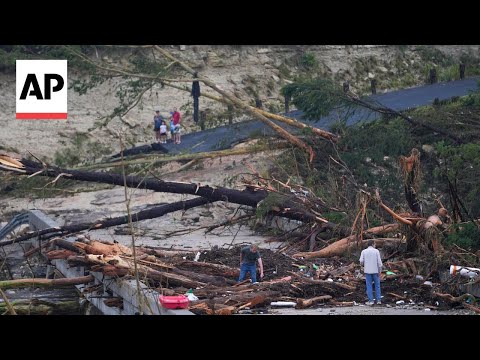
You know that feeling when you step outside, and it’s like Mother Nature just threw a temper tantrum? Like, one minute it’s sunny, and the next, you’re dodging raindrops the size of golf balls?
Man, weather can be such a drama queen! But those wild swings we often shrug off or laugh about? They actually tell us a lot about our planet’s health. Seriously!
Extreme weather events—think hurricanes, tornadoes, or heatwaves—aren’t just stuff you see on the news. They’re like nature’s way of sending us some pretty serious messages.
So let’s chat about what’s happening out there and why it actually matters to us. Buckle up!
Exploring the 7 Types of Extreme Weather: A Scientific Analysis
So, let’s take a closer look at extreme weather. It’s not just some stuff you hear about in the news. It can actually be super fascinating when you break it down! There are seven main types of extreme weather events that scientists pay attention to, and each one has its own wild characteristics.
1. Hurricanes
Hurricanes are massive storms that form over warm ocean waters. They spin in a circle and can drop a ton of rain. What’s wild is that they can reach wind speeds of over 150 mph! Just think about all that energy churning in the ocean, huh? They tend to cause flooding, destruction from winds, and even tornadoes as they make landfall.
2. Tornadoes
Tornadoes are like nature’s own roller coasters—they’re twisting columns of air that touch the ground. They can form during thunderstorms when warm, moist air meets cold air. A tornado can happen out of nowhere and create some serious damage in mere minutes! Remember seeing those super intense clouds? Yeah, that’s usually a sign something could happen.
3. Flooding
Flooding often follows heavy rainfall or hurricanes, but it can also happen due to snowmelt or dam failure. When water rises too high and overwhelms the land, it creates dangerous situations for people and animals alike. Even minor flooding can mess with roads and homes—so you gotta take it seriously!
4. Droughts
On the flip side of flooding is droughts, which occur when there’s not enough rain over a long period of time. It might seem calm at first glance, but droughts can have huge impacts on agriculture because crops need water to survive! Can you imagine being a farmer watching your fields dry up? Heartbreaking.
5. Heatwaves
A heatwave isn’t just a little extra sunshine; it’s when temperatures rise way above average for several days or even weeks at a time. This kind of extreme heat isn’t just uncomfortable; it can lead to serious health risks like heat exhaustion or heat stroke! If you’re sweating buckets and feeling dizzy outside – that’s your body saying “hey, cool down!”
6. Blizzards
Now let’s talk about blizzards! These guys bring heavy snow along with strong winds—often making visibility pretty terrible! You might picture cozy nights by the fire when you think about snow, but trust me: blizzards can disrupt travel and cause power outages for days.
7. Extreme Cold Events
Finally, we have those chilling cold snaps where temperatures drop significantly below normal levels for an extended time—sometimes creating ice storms too! These events aren’t just about being chilly; they can lead to hazardous road conditions and health problems like frostbite if you’re not careful.
So there you have it—seven kinds of extreme weather that come with their own challenges and stunning dynamics! Each one shows us just how powerful nature really is—and reminds us why we need to study these events closely. It helps us prepare better for what Mother Nature has up her sleeve next time around!
Exploring History’s Deadliest Weather Events: A Scientific Perspective on Catastrophic Natural Disasters
Alright, so let’s talk about some of history’s craziest weather events. When you think about it, the planet can be a bit of a drama queen, right? Sometimes it just goes wild with storms, floods, or heatwaves. These natural disasters can be super deadly. You know? They don’t just mess up the weather; they shake up lives and ecosystems too.
To start things off, let’s look at **hurricanes**. These massive storms are like nature’s way of showing its power. One of the most infamous hurricanes is Hurricane Katrina that hit New Orleans in 2005. It was, like, devastating! Over 1,800 people lost their lives and thousands were displaced from their homes. The thing is, hurricanes form over warm ocean waters when conditions are just right—warm air rises and cools down as it goes higher up into the atmosphere.
Then we have **tornadoes**, which are another fierce weather event! They spin like a top but with destructive power that can tear buildings apart in seconds. The Tri-State Tornado in 1925 hit parts of Missouri, Illinois, and Indiana. It was crazy—over 600 people died because of it! That’s more than most tornadoes ever cause. Tornadoes usually form in severe thunderstorm conditions and require certain wind patterns to create that powerful vortex.
Oh man, let’s not forget about **heatwaves** either! They might sound chill compared to hurricanes or tornadoes but trust me—they’re serious business. In 2003, Europe faced one of the deadliest heatwaves on record. It took out around 70,000 people! The science behind heatwaves involves extended periods of high temperatures combined with high humidity levels. Basically, when your body can’t cool itself effectively anymore—that’s when heat-related illnesses happen.
Another sneaky culprit is **flooding** following heavy rain or snowmelt—like what happened during the Great Flood of 1936 in the U.S., which left many cities underwater and caused massive destruction to homes and infrastructure alike. Floods happen when water rises quickly due to excessive precipitation or rapid melting from a heatwave following cold snaps.
So here’s where it gets interesting from a scientific perspective: Extreme weather events aren’t random acts; they’re often influenced by climate change! As our planet warms up due to human activities—think more greenhouse gases—the frequency and severity of these events tend to increase too. You see what I’m saying?
Here’s a quick rundown on some major extreme weather events throughout history:
- Hurricanes: Like Katrina; they’re fueled by warm ocean heat.
- Tornadoes: Remember the Tri-State Tornado; spins fast enough to destroy anything!
- Heatwaves: Like Europe in ’03; extreme temps can be deadly.
- Flooding: Think Great Flood ’36; too much rain at once can drown communities.
Nature has its own rhythms and cycles but human influence through urbanization and greenhouse gases tends to throw those outta whack sometimes! So yeah, understanding these catastrophic events helps us prepare better for them—and maybe save some lives along the way.
In short? Weather is intense! And while we can’t control it directly (wouldn’t that be nice?), we can learn from past disasters to create better systems for warning people and protecting communities—because you never know when Mother Nature might throw another curveball your way!
Analyzing Extreme Weather Events: A Decade of Climate Science Insights
So, let’s chat about extreme weather events and what climate science has revealed over the past decade. You know, these crazy storms and heat waves that leave us scratching our heads? They’re not just random occurrences; they’re actually tied to larger patterns in our climate.
First off, extreme weather can take many forms. Think of things like hurricanes, floods, droughts, and heatwaves. Each of these events can have serious impacts on communities, agriculture, and ecosystems. Climate change is making some of these events more intense or more frequent.
One major insight scientists have gathered is that rising temperatures are a huge factor. When the planet heats up due to greenhouse gases—like carbon dioxide from cars and factories—it causes changes in weather patterns. The atmosphere holds more moisture as it warms, which leads to heavier rainfall during storms. And guess what? This means we might see more flooding in certain areas.
Another thing to keep in mind is how climate change influences our storms. For instance, warmer ocean waters can supercharge hurricanes. If you’ve heard about increased hurricane activity recently, there’s a link back to those tropical waters getting hotter over time.
Now let’s talk about something you might find surprising: droughts. You’d think more rain means less droughts, right? Well, it’s not always that simple. Climate change can lead to longer dry spells in regions that are already prone to drought because of shifting atmospheric patterns and increased evaporation from soil and plants as temperatures rise.
It’s pretty wild how interconnected everything is! For example:
- Heatwaves: They’re becoming longer and hotter because of climate change.
- Wildfires: Warmer temperatures contribute to drier conditions which lead to increased wildfire risks.
- Tornadoes: Some studies suggest a relationship between warm air masses from climate change and the frequency or intensity of tornado activity.
And let’s not forget about the social aspect too! Extreme weather doesn’t impact everyone equally; often it hits marginalized communities hardest. Just think about folks living in low-lying areas who face flooding—they might have less money for repairs or rebuilding.
Looking back at the last decade has shown us how vital it is to prepare for these extreme events. Climate science helps communities develop strategies for resilience—for example: improving infrastructure or creating emergency response plans.
As we go forward into this uncertain future with ever-changing climates, understanding extreme weather becomes crucial—not just scientifically but also socially and economically too. So yeah, keeping an eye on what’s happening around us helps us adapt better for whatever Mother Nature throws our way!
You know, extreme weather events have been on my mind a lot lately. It’s one of those topics that feels relevant, like every time you check the news, there’s something wild happening somewhere in the world. I mean, one day it’s a fierce hurricane battering the coast, and the next it’s record heat waves melting asphalt in cities. It makes you pause and think.
I remember this summer when my hometown had an unexpected flash flood. It wasn’t just rain; it was like someone turned on a giant faucet and just walked away! Streets became rivers in no time. People were stranded, homes were damaged, and honestly, watching it unfold felt surreal. That incident really made me realize that these extreme weather events are not just isolated freak occurrences; they’re actually part of a bigger picture.
Scientifically speaking, these events can tell us so much about our planet’s climate system. They act like signs, guiding researchers to understand how things are changing in real-time. The science behind them is pretty interesting. Basically, as global temperatures rise due to climate change (thanks to greenhouse gases and all that), we see more energy entering our atmosphere. This energy can make storms nastier or create dramatic shifts in weather patterns.
But here’s where it gets a bit complex: while we can see trends in data pointing to increased frequency and intensity of these events—like warmer oceans fueling stronger hurricanes—it can be tricky to connect every single storm or weather quirk directly to climate change. Scientists often have to sift through tons of data and models to figure out what exactly is causing what.
Plus, there’s the human side of things too! Extreme weather doesn’t affect everyone equally; some communities are hit harder than others due to socio-economic factors or geography. It leaves people struggling with recovery long after the storm has passed.
So yeah, while extreme weather may seem overwhelming at times—like nature showing off or throwing tantrums—it also sparks important conversations about our environment and what we can do moving forward. After all, understanding these changes can help us prepare better for whatever comes next. And honestly? That gives me hope that maybe we won’t be caught off guard forever!