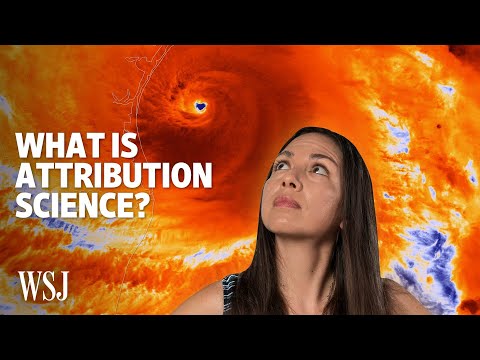
So, picture this: I’m sipping coffee on a sunny day, scrolling through my feed, and boom! An article pops up about a tornado in the middle of December. Seriously? It’s like the weather took a little vacation from its usual patterns.
You know how they say climate change is just some fancy theory? Well, extreme climate events are real and happening around us all the time. It’s wild when you think about it. One minute it’s blazing hot; the next, you’re dodging flash floods.
It’s kind of like Mother Nature is having one of those days where she can’t decide what mood to be in. But these shifts aren’t just random happenings—they carry heavy scientific implications too.
So grab your favorite drink, kick back, and let’s chat about why these extreme events matter more than you might think!
Analyzing Extreme Weather Events: A Decadal Review of Scientific Insights from the Last 10 Years
Extreme weather events have been making headlines a lot over the last decade. Seriously, from hurricanes to wildfires, it feels like Mother Nature has been on an emotional rollercoaster. So, what’s really behind all this? Let’s break it down in a way that’s easy to get your head around.
First off, climate change plays a massive role. Most scientists agree that human activities—like burning fossil fuels and deforestation—are warming up the planet. This leads to more intense storms. Like, take Hurricane Harvey in 2017. It dropped over 60 inches of rain on Houston! Yeah, that’s like an entire swimming pool’s worth of water just dumped out, causing catastrophic flooding.
There are a bunch of different types of extreme weather events we’re seeing more frequently:
- Heatwaves: These can be dangerous for your health. In 2021, we had this insane heatwave in the Pacific Northwest, where temperatures soared above 100°F for several consecutive days!
- Wildfires: When it’s hotter and drier, wildfires become a bigger risk. Remember the California fires? They’ve gotten longer and more intense over time.
- Tropical storms: With warmer oceans, these storms are gaining strength faster than they used to. Just look at how quickly they escalate from a tropical depression to a full-blown hurricane.
Now you might be wondering how scientists study these changes. They do this kind of thing called modeling, where they use computers to simulate climate patterns. By looking at historical data and understanding atmospheric science—think about temperature and humidity—they can predict how these extreme weather events might evolve in the future.
Also important is how communities adapt to these changes. Some areas are investing in better infrastructure or improving early warning systems so people can prepare more effectively when things get rough.
But one thing’s for sure: communication is key. Researchers need to share their findings with everyone—from policymakers to everyday folks—so we all understand what’s happening and why we need to care about climate change.
In short, extreme weather events are not just coincidence; they’re tied directly into what we’re doing with our planet’s climate system. The scientific insights from the last decade show us how interconnected everything is—and remind us that taking action is crucial if we want to lessen the impact on future generations!
So yeah, keep your eyes peeled! The weather won’t stop changing anytime soon.
Exploring Impactful Examples of Extreme Weather Events Linked to Climate Change in Scientific Research
So, let’s talk about extreme weather events and how they tie into climate change. You might have noticed that things seem a bit wilder lately—more intense storms, heatwaves, and unpredictable seasons. That’s not just your imagination! These shifts are getting scientists buzzing.
Hurricanes are one of the most talked-about extremes. Think about Hurricane Katrina back in 2005. The storm wreaked havoc on New Orleans, causing disastrous flooding and loss of life. Research shows that warmer ocean temperatures can fuel hurricanes, making them stronger and wetter. So when you hear about storms like Katrina now, you’ve got to consider how climate change is a player in this game.
Then there’s drought. Have you heard about the mega-drought gripping the American Southwest? It’s not just a dry spell; it’s the worst drought in over a millennium! This condition shortens water supplies for people and agriculture alike. Scientists attribute this to rising temperatures—warmer air means more evaporation, which leads to severe water shortages.
Oh, and heatwaves! Those scorching days aren’t just annoying; they’re becoming more frequent and severe. Just take a look at Europe in 2019 when France hit record-breaking temperatures of over 46°C (that’s around 115°F). Studies suggest that these extreme temperatures are becoming increasingly likely due to climate change, putting vulnerable populations at risk.
Let me throw another example your way: wildfires. California has faced devastating wildfires over recent years, with blazes stretching on for weeks at a time. Higher temperatures and prolonged dry spells create perfect conditions for fires to ignite and spread quickly. The science indicates these weather changes are heavily influenced by our warming planet.
One more thing—flooding! Like what happened in Germany back in mid-2021 when heavy rains caused catastrophic flooding that claimed lives and damaged infrastructure. Climate models predict that as the atmosphere warms, it can hold more moisture, leading to heavier downpours during storms.
So yeah, the link between extreme weather events and climate change is pretty solid according to scientific research. We’re seeing tangible examples everywhere around us: stronger hurricanes fueled by warmer oceans, devastating droughts due to rising temperatures, killer heatwaves that push records beyond breaking point—even wildfires raging uncontrollably or floods sweeping away towns.
Keeping all this in mind helps us understand why tackling climate change is so crucial for our future—and our planet’s health too!
Exploring Extreme Weather: Scientific Insights and Real-World Examples
Extreme weather events are like nature’s way of reminding us who’s boss. From hurricanes to heatwaves, these phenomena can be both fascinating and terrifying. They’re not just dramatic news stories; they’re also windows into how our planet is changing.
First off, what do we mean by extreme weather? Well, it refers to anything that’s significantly different from the average conditions we expect. That can be super intense rainstorms, wild temperature spikes, or even prolonged droughts. These events can disrupt ecosystems and have severe consequences for life as we know it.
Climate Change plays a major role in this extreme weather trend. As the planet warms up—thanks to greenhouse gases—everything from ocean temperatures to wind patterns shifts. Imagine a pot of water on a stove: when you turn up the heat, stuff starts boiling and bubbling over, right? Similarly, warmer air holds more moisture, which means heavier rainfall and more powerful storms.
Take hurricanes as an example. These storms derive their energy from warm ocean water. So, as sea temperatures rise, hurricanes can become stronger and more destructive. For instance, Hurricane Harvey in 2017 dropped massive amounts of rain on Houston—about 60 inches! That was a record! Streets turned into rivers; homes were flooded—it was chaotic.
And don’t get me started on heatwaves! In recent years, we’ve seen places hit with scorching temperatures that break records left and right. During the summer of 2021, parts of the Pacific Northwest saw temperatures soar over 100°F when they usually enjoy milder weather. People were camping out in their own homes with fans blasting but still melting away—it was no joke.
Another area that often gets overlooked is drought. It doesn’t always make headlines like storms do but is equally damaging. A prolonged drought can dry out not just soil but whole ecosystems! For instance, California has been grappling with cycles of severe droughts that hurt water supplies and agriculture. Farmers have had to adapt by changing what crops they grow or even leaving fields barren.
What makes extreme weather even more complex is how everything connects together in our climate system. When one part is affected (like warmer oceans), it can create ripple effects elsewhere—from reduced animal populations to shifting plant growth seasons.
But it’s not all doom and gloom! There’s a growing effort among scientists and communities to prepare for and adapt to these changes. Meteorologists are getting better at predicting these events ahead of time thanks to advanced modeling techniques which help save lives.
So yeah, while extreme weather is definitely a challenge we have to face now (and moving forward), understanding its roots helps us tackle the problems head-on—and adapt our lifestyles accordingly.
You know, when you think about extreme climate events, it’s hard not to feel a bit overwhelmed. Just the other day, I was watching the news and saw footage of wildfires raging in one part of the world while, in another, people were trying to stay afloat from floods. It’s enough to make anyone’s head spin!
Let me take you back a little. A few years ago, I went camping with some friends. We were all excited for what should’ve been a weekend of fun under the stars. But on the first night, out of nowhere, this massive storm hit! It was like nature decided we needed an extra dose of drama. The wind howled, rain poured down like someone turned on a fire hose, and we had to huddle in our tents, hoping they wouldn’t blow away. That night made me realize how quickly things can change when it comes to weather.
Extreme weather events—like hurricanes, droughts, or heatwaves—aren’t just bad luck or freak accidents anymore. They’re becoming more frequent and intense thanks to climate change. Scientists are like detectives piecing together evidence to understand why this is happening. They study patterns in climate data and look for connections between human activities and these extreme events.
It’s kinda scary if you think about it; as our planet warms up because of greenhouse gases—mostly from burning fossil fuels—we’re seeing these wild swings in weather that can lead to devastating consequences for ecosystems and human life alike. You’ve probably heard terms like “carbon footprint” tossed around a lot lately; it’s all about understanding how our actions impact this big picture.
So what do scientists do with all this info? Well, they use it to predict future trends and help us prepare better for what’s coming down the line. They’re also looking at solutions—like renewable energy sources—to try and curve those emissions causing so much trouble.
It can feel really heavy sometimes thinking about how interconnected everything is—the choices we make every day can have ripple effects on our planet’s health. Just remember my crazy camping story next time you hear about another storm or heatwave! The more we know about these extreme climate events and their implications, the better equipped we become to handle them together as a community.
So yeah—it’s a complex web we’re tangled up in, but knowing about it is the first step toward making things better!