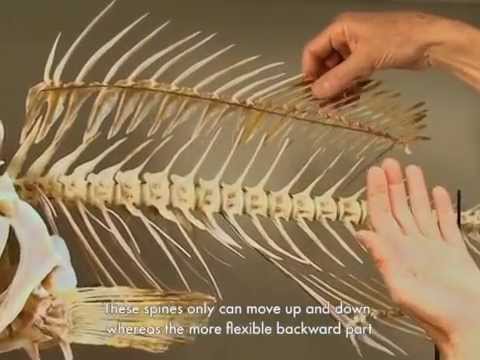
You know that moment when you’re trying to eat a fish fillet, and you find a bone? Yeah, it’s like, surprise! Those sneaky little skeletons really know how to ruin dinner. But, hey, fish skeletons are way more than just hide-and-seek players at mealtimes.
Seriously though, fish have this incredible structure that allows them to glide through water like pros. Their skeletons aren’t just for show; they’re super important for how these creatures live and thrive underwater. So let’s take a chill dive into their anatomy and see what makes them tick—or swim!
I promise, the more you know about these finned friends and their bony frameworks, the cooler they’ll seem. Buckle up; it’s gonna be a fun swim through the world of fish skeletons!
The Structure and Function of the Fish Skeleton: A Comprehensive Overview in Comparative Anatomy
Sure thing! Let’s break down the structure and function of a fish skeleton together.
The Basics
Fish skeletons are pretty cool. They come in two main types: bony and cartilaginous. Bony fish, like salmon, have skeletons made of hard bone. In contrast, cartilaginous fish, like sharks and rays, have skeletons made of cartilage, which is that flexible stuff in your nose. This difference plays a huge role in how these creatures live and move through water.
Why Skeletal Structure Matters
The skeleton provides support and shape to the fish’s body. It protects vital organs like the brain and heart. You know how you wouldn’t want to get hit on the head? Well, fish need their skulls to protect their brains from bumps during their swims! The spine is also super important; it helps with flexibility and movement. Not to mention, it connects the head with the tail.
Types of Bones
Bony fish have two main types of bones: trabecular (spongy) and cortical (hard). Trabecular bones are lighter, which helps keep fish buoyant in water. Imagine trying to swim if you were carrying around a suitcase full of rocks!
Some specific features to think about include:
- Swim Bladder: Many bony fish have this gas-filled organ that helps them float effortlessly.
- Fin Structure: The bones in fins help provide stability when they swim and maneuver.
- Cranial Bones: These protect sensitive organs like eyes or inner ears that help them navigate through dark waters.
The Role of Cartilage
Now, let’s chat about cartilaginous fish. Their skeletons aren’t just lighter; they’re also more flexible! This flexibility allows sharks to be super agile hunters. Picture a shark making sharp turns while chasing prey; its cartilage helps achieve those quick movements without breaking!
The interesting thing is that while cartilaginous fish don’t have swim bladders, they rely on their livers filled with oil for buoyancy instead.
A Closer Look at Fins
Fins are perhaps one of the coolest adaptations in fish anatomy. They’re not just there for show; they’re critical for swimming efficiently.
So here’s what you need to know about them:
- Dorsal Fin: Located on top; it stabilizes the fish as it swims.
- Pectoral Fins: Found near the sides; these fins help steer and balance.
- Pelvic Fins: Positioned underneath; they assist with upward movement.
The Skeleton’s Influence on Behavior
You might be surprised how much a fish’s skeleton influences its behavior! For instance, bony fishes tend to stay near freshwater environments because their bodies can handle those changes better than cartilaginous ones can.
Also, being streamlined helps reduce resistance against water currents—important for survival since fast swimming can mean escaping predators or catching lunch!
Anecdote Time!
A memorable moment was watching my friend’s kid catch his first little trout using only a simple rod at a local lake. He was so excited when he saw that wriggling creature caught at the end of his line! Just as he held it up proudly, I couldn’t help but marvel at how this little guy used its bony skeleton to dart through water—completely unaware of our cheering crowd!
So next time you see a swimming fish or hear someone talking about aquatics, remember it’s more than just gills and scales—this structure plays an epic role in survival!
In sum, whether it’s bony or cartilaginous, every type of skeletal structure has its own story to tell beneath those waves.
Adaptations of Fish Musculoskeletal Systems: Insights into Aquatic Biology and Evolution
The **musculoskeletal system** of fish is pretty fascinating when you think about it. It’s like a well-designed machine, perfectly tailored for living underwater. So, let’s break it down a bit.
First off, fish have a backbone made up of vertebrae. This structure is pretty cool because it provides support and helps the fish stay upright while swimming. Basically, the **vertebral column** acts like a flexible rod, allowing movement in different directions without losing stability.
But here’s where things get even more interesting. The skeletal structures of fish can vary quite a bit depending on their environment and lifestyle. For instance, some fish are built for speed—like tuna—which have streamlined bodies and strong muscles that help them dart through the water effortlessly. Others, like **catfish**, have a more robust framework suited for bottom-dwelling life, which requires different muscle adaptations to navigate through rocks and mud.
Now let’s talk about the **jaws**. Fish jaws are not just for chomping down on food; they’ve adapted over millions of years to suit different diets. Some species have powerful jaws designed for crushing shellfish, while others have long snouts ideal for snagging little swimmers. This adaptation shows how diverse aquatic life can be!
Another neat thing is the presence of **fins**. They’re not just there to look cool; they play essential roles in maneuvering and stabilizing movement in water. The **pectoral fins**, located on either side of the body, allow for fine control in navigation, while the **caudal fin** (or tail fin) provides propulsion—think of it as the engine that pushes the fish forward.
Let’s not forget about **muscles**, which come into play as well! Fish muscles can be categorized into two types: red muscle and white muscle. Red muscles are used for endurance swimming, making them perfect for long-distance travel at a slower pace—like when a salmon swims upstream to spawn. White muscles are used for quick bursts of speed when escaping predators or capturing prey.
And there’s another layer to this story involving evolution! Fish musculoskeletal systems have adapted over time based on their habitats and survival needs—just think about how some species evolved from freshwater habitats to saltwater ones or vice versa! Each change in environment has led to specific adaptations that help them thrive.
To sum it all up:
- The vertebral column provides stability and support.
- Different skeleton structures suit various lifestyles.
- Jaws adapt based on diet.
- Fins facilitate movement and control.
- Muscle types vary depending on swimming needs.
Understanding these adaptations not only gives us insight into fish biology but also highlights the incredible process of evolution working its magic under the waves. So next time you’re by water or enjoying some sushi (maybe?), remember that there’s more than meets the eye when it comes to our aquatic friends!
Exploring the Structure and Function of Fish: Insights into Aquatic Biology
So, let’s chat about fish, shall we? Fish are these incredible creatures that live in water and come in all shapes and sizes. But what really makes them tick? Well, it mostly comes down to their structure, especially their **skeleton**.
First off, fish skeletons are pretty cool because they can be made of bone or cartilage. Most bony fish, like trout or salmon, have a skeleton that’s built from hard bones. This gives them strength and support as they swim through the water. On the other hand, there are also cartilaginous fish like sharks and rays. They have skeletons made of cartilage—the same stuff in our noses! Cartilage is lighter than bone, which helps these guys move around more easily.
Now, let’s break down a fish’s anatomy a bit more. The basic structure can be divided into several parts:
- Skull: Protects the brain and houses the eyes.
- Vertebral column: A flexible backbone that supports the body.
- Ribs: Provide additional support and protect internal organs.
- Fins: Help with movement and stability in the water.
When you think about how fish swim—it’s like a graceful ballet! Their fins allow them to steer left or right and maintain balance. You know how when you ride a bike without hands and you start wobbling? Well, fins help fish avoid that wobbly situation!
Speaking of movement, let’s not forget about **muscle**! Fish have powerful muscles attached to their skeletons. These muscles contract to push against the water—like treading water but way cooler. This is called lateral movement. Ever seen a fish dart away when it senses danger? That’s those muscles working overtime!
Now onto something really interesting: **buoyancy**. Fish have this nifty organ called a **swim bladder**, which helps them control their position in the water. By adjusting the gas inside this bladder—like blowing up a balloon—they can float higher or sink lower without wasting energy swimming constantly.
And let’s also touch on something emotional for a sec: Have you ever watched those colorful coral reefs swarming with fish? It’s mesmerizing! Those little guys have evolved over millions of years to fit perfectly within their ecosystem—each one plays its part in keeping everything balanced and thriving.
To sum it up: When it comes to understanding aquatic life through fish anatomy, it’s super clear just how beautifully everything works together. From bones versus cartilage to muscles driving movement and buoyancy control—every single piece plays an essential role in helping fish navigate their watery world. So next time you spot a fish swimming by, just think about all that amazing biology happening beneath the surface!
So, fish skeletons. You might think they’re just a bunch of bones swimming around in the water, but there’s so much more going on there. It’s kind of wild how these creatures have evolved over time to adapt to their watery homes. I mean, when you look at them—these graceful swimmers—what you really see is a masterclass in structure and function.
Let me tell you a little story. Once, I was out fishing with my buddy on this serene lake. We were just enjoying the peace when suddenly, he pulled up this beautiful trout. When we examined it closely, we could see how its body was perfectly streamlined for swimming. Its fins and tail were like built-in propellers! But that got me thinking about the skeleton underneath: it’s not just about keeping shape; it plays a huge role in movement and buoyancy.
Alright, so let’s break it down a bit, yeah? Fish have two main types of skeletons: bony and cartilaginous. Bony fish have skeletons made mostly of bone (obviously), while cartilaginous fish, like sharks and rays, are made mostly of cartilage—which is the same stuff that gives our noses their squishy feel. This difference totally affects how they swim and maneuver.
In bony fish—which are like the most common ones you’ll find—they have a swim bladder, which is this cool little gas-filled sac that helps them float effortlessly at different depths without using too much energy. It’s sort of like having your own personal life jacket! The bones provide support while being light enough to allow for movement through water.
Now think about the fin structure for a second. They aren’t just there for decoration! Each fin has its own function—like steering or stabilizing—and they’re all attached to that skeletal framework which helps keep everything together while allowing for flexibility and speed. So when you see that fish zipping by, it’s literally all working together in harmony.
And if you take a closer look at these fins during your next trip to an aquarium or beach (seriously do it!), you might spot some variations based on what each fish needs to do in its environment—like how some have spiny fins for protection or long ones that help them glide really well.
I guess what gets me most is how this whole design really reflects their lifestyle underwater—it’s like nature engineered these guys perfectly! It’s quite humbling when you think about how every little aspect serves such an important purpose in survival.
So next time you’re near water or munching on some fish tacos (which are amazing), take a moment to appreciate all those bones and what they allow these creatures to do. Fish anatomy isn’t just science; it’s artful engineering from millions of years of evolution—all designed for thriving in aquatic life.