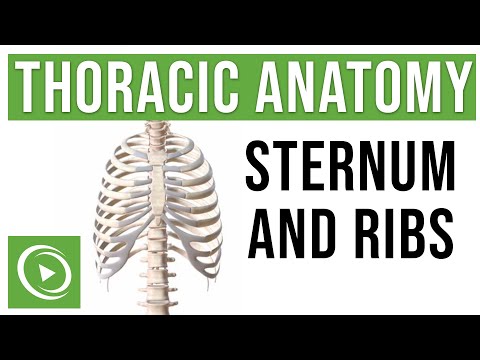
So, have you ever thought about how your ribs are like a protective cage for your heart and lungs? I mean, isn’t it wild to think that if we didn’t have that bony structure, our squishy insides would be all exposed? Yikes!
Anyway, the human chest skeleton is actually pretty fascinating. It’s not just a bunch of bones hanging out together. There’s a whole story behind how it works and what it does.
You’ve got the ribs, the sternum, and even some cartilage playing their parts. They all team up to keep your vital organs safe while letting you breathe easy. Pretty cool, right?
So, let’s dive into this incredible structure and see just how amazing our chest skeleton really is!
Comprehensive Guide to the Human Chest Skeleton: Structure and Function Explained (PDF)
Sure! Let’s break down the human chest skeleton. You might not think about your chest bones all that much, but they’re super important for keeping everything working properly.
The Structure of the Chest Skeleton
So, first things first, the human chest skeleton is primarily made up of the rib cage, which is shaped like a protective basket around your heart and lungs. It consists of 12 pairs of ribs. These ribs connect to your spine at the back and curve around to the front where they attach to the sternum through cartilage. Pretty cool, right?
- Ribs: There are three types: true ribs (the first seven pairs), false ribs (the next three pairs), and floating ribs (the last two pairs). True ribs are like our VIPs—they connect directly to the sternum, giving strong protection.
- Sternum: This bone sits at the front center of your chest, acting as a sort of shield. It’s flat and shaped kind of like a T. It’s connected to those true ribs with cartilage, which keeps things flexible.
- Thoracic Vertebrae: The spine has twelve thoracic vertebrae that help support that rib cage. They also let you twist and turn without losing your balance.
The whole structure looks kind of like an upside-down umbrella when you think about it!
The Function of the Chest Skeleton
Okay, so why does all this matter? Well, apart from protecting vital organs, there are other functions that make this structure really special:
- Protection: Your heart and lungs need safeguarding from any bumps or falls. The rib cage acts like armor, reducing damage during impacts.
- Breathing: Ribs play a key role in respiration! When you breathe in, muscles between those ribs (called intercostal muscles) pull them apart—this makes your chest cavity larger so air can rush in.
- Aiding Movement: The rib cage isn’t just stuck there; it moves! It expands when you inhale and contracts when you exhale. This movement helps push air out efficiently.
That’s pretty nifty if you ask me!
Anecdote Time!
I remember a time I went hiking with some friends. We were climbing this steep trail when one buddy slipped—oh man! He landed right on his side against a rock! We all gasped because we thought he must’ve hurt something really bad. Luckily, his rib cage took most of the impact and he just ended up with bruises instead of broken bones.
That’s how vital our chest skeleton is—it literally helps keep us safe!
In summary, while we often take our chest skeleton for granted because we can’t see it under our skin and clothes, it plays such an important role in protecting vital organs while helping us breathe effectively every day. It’s just one amazing part of what keeps us alive and kicking!
Comprehensive Overview of Thoracic Anatomy: Exploring the Bones of the Thorax
When we talk about thoracic anatomy, we’re mainly looking at the bones that form the structure of your chest. So, what exactly is happening in there? Let’s break it down.
The thorax is basically the area of your body between your neck and abdomen. It includes some pretty essential bones that protect vital organs like your heart and lungs. It’s like a tough casing, kind of like a sturdy box around important stuff.
First up, let’s look at the sternum, or breastbone. It’s right in the center of your chest and connects to ribs via cartilage. This little dude plays a big role in protecting your heart. Imagine a knight’s shield guarding against arrows? That’s how the sternum works for your heart!
Then we have the ribs. Most people have 12 pairs of these curved bones. They attach to the spine at the back and wrap around to connect with the sternum at the front, providing that lovely cage-like structure for added protection. Each rib pairs off nicely too: they work together so if one gets hurt, there’s usually another close by taking up some slack.
Now picture this: ribs are not just static bones; they move! During breathing, for instance, they expand and contract. The ribcage widens as you inhale, allowing lungs to fill with air—just think about how much you breathe every day without even noticing it!
The thoracic vertebrae play their part too. You’ve got 12 of these guys stacked up to form part of your spine. They need to be strong yet flexible since they support not only the ribcage but also allow movement for twisting and bending. It’s like having building blocks that can bend without breaking!
Let’s consider something cool about ribs again: they can be classified into three categories!
- True ribs: These are ribs 1-7 that connect directly to the sternum.
- False ribs: Ribs 8-10 don’t attach directly; instead, they connect to each other through cartilage.
- Floating ribs: Ribs 11-12 are called floating because they don’t connect at all to the sternum!
If you mistakenly bump into something hard (ouch!), it’s often these floating ribs that get injured first since they’re not as well protected by other bones.
Aside from protecting organs, the thorax serves as an anchor point for muscles involved in breathing and upper limb movements too! Muscles like pectorals attach here, helping you lift things or even throw a ball! Isn’t it wild how much goes on just in that section?
So yeah, understanding thoracic anatomy isn’t just about knowing where things are located; it’s seeing how everything works together—like a finely tuned machine where each part has its unique function but ultimately contributes to keeping you alive and kicking!
There ya go! The human chest skeleton isn’t just a set of bones; it’s an intricate system that’s super essential for our everyday lives. Who knew anatomy could be so fascinating?
Comprehensive Guide to the Anatomy of Thoracic Bones: Downloadable PDF Resource for Scientific Study
The thoracic skeleton, or the chest area of our bodies, is pretty fascinating if you think about it. It consists mainly of bones that protect vital organs like the heart and lungs. These bones are super important for not just protection but also for allowing us to breathe properly. Let’s break down what these thoracic bones are all about.
So, first off, the main players in this area include:
- Ribs: There are 12 pairs of ribs in total. The first seven pairs are called “true ribs” because they connect directly to the sternum (the breastbone). The next three pairs are “false ribs,” which connect indirectly to the sternum via cartilage.
- Sternum: This flat bone in the front helps anchor your ribs and gives structure to your chest. You might notice it’s kind of shaped like a sword!
- Thoracic Vertebrae: These 12 vertebrae help form the backbone and provide support for your upper body while protecting your spinal cord. They’re labeled T1 through T12.
I remember once trying to explain this stuff to my little cousin. He’s always been curious and asked why we need ribs if they just seem like a bunch of curved sticks! I told him that without them, our hearts would be totally exposed—kind of scary, right? Anyway, let’s get into some fun details.
The ribs, as we mentioned, play an integral role in respiration. When you breathe in, the muscles between them contract and make your rib cage expand! It’s cool how these bones work together with muscles to help us take a deep breath.
The sternum, while not very big compared to other bones, has an important job as well. It’s made up of three parts: the manubrium (the top part), the body (the middle), and the xiphoid process (the little tip at the bottom). Did you know? The xiphoid can actually vary from person to person—it sometimes doesn’t even fully develop!
Your thoracic vertebrae? They’re unique because they have facets on their sides where ribs attach! This lets them help hold everything together as you move around. They look like little stacked blocks when you see them from behind—all neatly arranged!
This whole setup forms a kind of cage-like structure that keeps our organs safe while still allowing movement and flexibility. That’s an amazing balance! Plus, it supports us when we stand up straight or twist around.
If you’re really into diving deeper into anatomy or need resources for studies, there are charts and diagrams available out there that show these bones in detail—like a comprehensive view with labels so you can see where everything fits together.
The anatomy of thoracic bones is more than just a collection of parts; it plays a crucial role in how we function every single day—from breathing deeply during yoga class to laughing so hard you hurt your sides! So yeah, understanding how these bones work together gives us insight into health and how our bodies move.
So, let’s talk about this thing we all have—our chest skeleton. You know, it’s kind of easy to take for granted, right? I mean, we don’t usually think about our bones unless they ache or something weird happens. But the chest skeleton is like this superhero that protects some of the most vital organs in our body.
Alright, imagine your heart and lungs hanging out in there without any protection. You’d be pretty concerned! The bony structure of your chest, or thoracic skeleton as the fancy folks call it, is made up of ribs, the sternum (that’s your breastbone), and a few other bones that help keep things stable. It’s like a fortress around these organs, keeping them safe so you can breathe and pump blood without a worry.
The ribs are super interesting too. They curve around from your spine to the front of your body like a gentle hug. And get this: there are 12 pairs of them! Some attach directly to the sternum via cartilage (which is flexible tissue), while others just kind of float around at the bottom—those are called floating ribs. Imagine them as the chill guys at a party who don’t need to cling to anyone.
And here’s where it gets cool: when you breathe in and out, those ribs move! They expand when you inhale, giving your lungs room to fill up with air. It’s like an accordion for your chest—and isn’t that pretty amazing? When I think back to a time I was hiking with friends and we were all gasping for breath on a steep hill, well, I totally appreciated how my ribs were working hard behind the scenes.
But beyond just being structural support and protection, this whole thing also helps with movement. Your chest skeleton allows for twisting and turning so you can reach for that last slice of pizza (or dodge an incoming frisbee at the park). It’s surprisingly versatile!
So yeah, while our chest skeleton might not be something we think about every day—like when you’re binge-watching that series on Netflix—it plays such an essential role in keeping us alive and active. It’s kind of beautiful how our body is organized like this little world where every part has its job! So next time you take a deep breath—or maybe run after something—it’s nice to remember just how much is going on within our own chests. Pretty cool stuff!