Alright, let me tell you a little story. So, picture this: I’m at a family gathering, and everyone starts comparing our hilarious quirks. My cousin has this weird obsession with collecting spoons, while my aunt can’t stop telling dad jokes. It’s like some genetic merry-go-round of traits!
Now, it got me thinking—why do we inherit these quirks in the first place? And that’s where the magic of genetic linkage and recombination comes in. It’s all about how certain genes stick together as they hop from one generation to the next.
You see, genes are like those annoying labels on clothes that never come off—they’re passed down, carrying bits of who we are with them. It’s fascinating stuff! And I mean, who isn’t curious about the secret recipe that makes you… well, you?
Exploring Genetic Linkage: Its Impact on Inheritance Patterns in Modern Genetics
Genetic linkage is like a family reunion of genes. You see, genes don’t just float around willy-nilly in our DNA. They often hang out together on chromosomes, and when they do, they’re more likely to be inherited together. That’s the magic of genetic linkage!
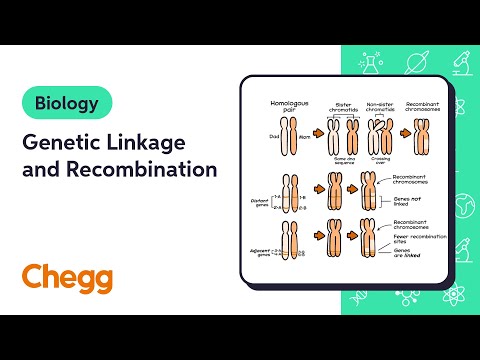
When genes are located close to each other on the same chromosome, they can stick together during meiosis, the process where your cells divide to form eggs or sperm. During meiosis, chromosomes swap bits of genetic material in a process called recombination. But if two genes are really close together, they don’t recombine as often, which means they get passed down as a unit more frequently than you might expect. It’s like partners in a dance—they stick together through the routine!
To understand this better, let’s consider an example: Imagine a couple of traits represented by two genes—one for flower color and another for height in plants. If these two genes are closely linked on the same chromosome, you’ll see that plants inheriting those traits often keep them together. So if you have purple flowers (let’s say it’s dominant) and tall plants alongside each other on that chromosome, when these plants breed their offspring will likely also be purple and tall.
The impact of genetic linkage extends beyond just simple inheritance patterns; it actually shapes how we pick out traits over generations. In plant and animal breeding, for instance, knowing which traits are linked can help breeders know what to expect from their crosses without having to test everything by planting seeds or raising livestock.
Moreover, genetic linkage plays a critical role in **disease genetics**. Certain diseases caused by specific genes can run in families simply because those disease-related genes are linked with other non-disease-related ones that may control traits like eye color or hair type.
But it can get tricky too! Let’s say there’s a mutation that leads to disease A connected with gene 1 that is also linked to gene 2 controlling something benign like hair texture. Sometimes parents carrying both mutations might pass them both down without realizing it because those genes are so cozy together on the chromosome.
In modern genetics research, scientists use what’s called **linkage maps**. These maps help track how genes are inherited relative to one another based on their proximity on chromosomes. The closer they are? Well, the stronger the chance they’ll be inherited together.
So basically, understanding genetic linkage isn’t just about spotting what traits come along for the ride—it’s also about revealing patterns in inheritance that can have significant implications for everything from breeding practices to medical research aimed at revealing genetic risk factors for various diseases.
In summary:
- Genetic linkage refers to how closely related genes tend to stay together during inheritance.
- Genes located physically close on chromosomes experience less recombination.
- This phenomenon influences breeding outcomes and helps predict trait inheritance.
- In disease genetics, linked mutations can complicate understanding familial patterns.
- Linkage maps aid researchers by illustrating how traits may be inherited together over generations.
So next time you think about your own quirks or family trait combinations—like why everyone has curly hair or some random eye color—remember there’s some neat science behind why those characteristics stick with each other!
Understanding Linkage and Recombination in Genetics: Key Concepts in Genetic Inheritance
When you think about genetics, one of the really cool things to understand is linkage and recombination. Imagine genes like little houses on a street. If two houses are really close together, they might share some stuff more often than houses that are farther apart. That’s basically what genetic linkage is all about.
Genetic linkage happens when genes are located close to each other on the same chromosome. Chromosomes are like long threads that hold your DNA. Now, if genes are tightly packed together, they tend to be inherited together. So, let’s say you have a gene for blue eyes and another for freckles on the same chromosome; if they’re linked, it’s more likely you’ll see both traits in the same person.
Now here’s where it gets interesting—recombination. This is like a genetic shuffle during cell division. When cells divide to make new ones (think of it as a dance party), sometimes those chromosomes can exchange bits and pieces with each other. This process creates new combinations of genes that weren’t present in either parent. It can change how traits show up in the next generation.
Let me throw in an emotional anecdote here—my friend once did a genealogy project for fun and learned her great-grandmother had green eyes and her grandfather had red hair. Turns out those traits were linked through genetic inheritance! It just blew her mind how familial traits could pop up generations later!
This linkage and recombination have super important implications, not just for understanding traits but also in areas like biodiversity, disease research, and even agriculture. Farmer need to know how certain crops might inherit pest resistance based on linked genes!
So when we talk about inheritance patterns in genetics, remembering linkage and recombination is crucial. It’s not just about where genes live but also how they interact with each other to shape who we are across generations!
Exploring the Impact of Gene Linkage on Recombination Dynamics in Genetic Research
When scientists talk about gene linkage and recombination, they’re diving into some seriously cool stuff about how traits are passed from one generation to the next. Let’s break it down, shall we?
Gene linkage refers to how certain genes are located close together on a chromosome. Imagine chromosomes as long strings of beads, where each bead represents a gene. If two beads (or genes) are really close, they tend to be inherited together. This happens because they’re tricky to separate during cell division.
Now, you might be wondering: what’s the big deal about this? Well, when genes are linked, it affects how traits appear in offspring. For instance, if a parent has a specific combination of traits—let’s say brown hair and blue eyes—the linked genes could mean their kids may inherit that same combination more often than not.
But here’s where recombination kicks in! Recombination is like a little dance that happens during meiosis (the process of forming eggs and sperm). When chromosomes pair up and exchange bits of themselves, it creates new combinations of genes. Sometimes this can break those strong linkages between traits.
Why is all this important for genetic research? Understanding gene linkage and recombination helps scientists figure out patterns of heredity. It gives clues about hereditary diseases or traits that run in families. For example:
There was this one time in a lab where researchers were studying fruit flies (yep, those tiny critters! They’re popular in genetics). They found out that certain color patterns were inherited together because the associated genes were so closely linked. But every so often during their experiments, they noticed some flies with unexpected colors showing up! That was due to recombination breaking those linkages just enough to mix things up.
So basically, gene linkage sets the stage for how we think about heredity while recombination adds a layer of complexity by mixing things up when it counts most—during reproduction. It’s like having your cake and mixing flavors at the same time!
Understanding these dynamics is crucial for geneticists because it helps them predict inheritance patterns better and even design strategies for selecting desired traits in breeding programs or therapy approaches for hereditary diseases.
In short, exploring these connections between gene linkage and recombination isn’t just a nerdy pastime; it’s fundamental for understanding life itself! You see what I’m getting at? It’s all part of this intricate tapestry called genetics that influences everything from what color your eyes might be to larger implications in health and agriculture.
You know, genetics has this incredible way of connecting us all, right? I mean, if you think about it, every one of us is like a unique little puzzle made up of pieces passed down from our ancestors. At the heart of this whole genetic game are two big players: genetic linkage and recombination. Sounds technical, but don’t worry; we’ll break it down.
So, genetic linkage is basically when genes sit close to each other on a chromosome. They tend to be inherited together. Picture it like this: imagine you’ve got a pair of shoes that always come in a matching box. If someone gives you that box, chances are good you’re going to get both shoes at once. That’s kind of how linked genes work. They stick together, making it more likely that certain traits show up in combinations that might have skipped a generation or two.
Now here’s where it gets really interesting—recombination! This is like the wild card in the genetics game. It happens during meiosis, which is when cells divide and form gametes (think sperm and eggs). During this process, those chromosomes can swap bits with each other—like trading stickers with your friends. This shuffling creates new combinations of traits that aren’t necessarily just copies of what your parents had.
I still remember learning about this stuff back in school and feeling my mind being blown! Like, I could picture my family tree but then realized there’s so much more happening behind the scenes. My mom has curly hair while my dad’s straight; but somehow I ended up with wavy locks! That’s genetic linkage and recombination working their magic. Those little swaps can lead to traits popping up in ways we didn’t expect.
But here’s the thing: sometimes those unexpected combinations can lead to challenges too. Certain linked genes could predispose someone to conditions or diseases based on how they inherited them through generations. It’s almost like a double-edged sword—you’ve got diversity, but also risks coming along for the ride.
All this just makes me think about how intertwined our lives really are with our genetic heritage and why understanding these processes matters so much—not just for science buffs but for everyone who wants to know where they came from and what might be passed down next.
So yeah, even though it sounds pretty technical at first glance, genetic linkage and recombination weave our stories together in ways we can only begin to understand. It kinda gives you that warm fuzzy feeling about being part of something bigger than yourself!