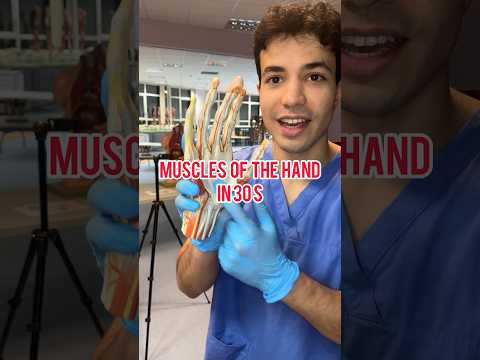
You know that moment when you accidentally crush a potato chip in your hand? Like, seriously, it’s just a chip, but there you are, feeling like a total clutz. Well, surprise! That little mishap has a lot to do with the muscles in your palm.
Your hands, especially the palm area, are packed with some sneaky cool muscles. They’re not just there to help you hold things or wave at friends. Nope! There’s a whole science behind them.
It’s kinda wild how much these tiny muscles do for you every single day. From typing away on your phone to giving high-fives, they play a major role in our everyday life. So let’s dig into it and see just how amazing those hand muscles really are!
Exploring the Muscles of the Hand: Functions and Anatomical Insights in Human Anatomy
The muscles of the hand are pretty fascinating, right? I mean, these little muscles allow us to do everything from buttoning our shirts to playing a guitar. The hand is like a mini masterpiece of engineering that lets us perform intricate tasks.
Okay, so there are two major types of muscles in your hand: intrinsic and extrinsic. Intrinsic muscles are those that originate and end within the hand itself. Think about them as the fine-tuning instruments. On the other hand, extrinsic muscles start in the forearm and extend into the hand, giving you more power when you grip things tightly.
- Intrinsic Muscles: These guys are responsible for precise movements. They can be divided into three groups:
- Thenar Muscles: This group is at the base of your thumb and helps you manipulate it with ease. Ever tried picking up a coin with just your thumb? That’s all them!
- Hypothenar Muscles: Located on the opposite side for your pinky, they help with movements like spreading your fingers out wide. Super handy for high-fives!
- Lumbricals: These quirky little muscles flex your fingers at the knuckles while keeping other joints straight. They play a key role in gripping any object.
- Extrinsic Muscles: Now these muscles mainly control larger movements. They’re like the heavyweights in this muscle game. They can be broken down too:
- Tendons: Extrinsic muscles attach to tendons that run down to your fingers from the forearm. When you flex your wrist or make a fist, they come into play, pulling on those tendons.
- Curling Your Fingers: If you’ve ever made a fist, those extrinsic flexor muscles worked hard! They’re what allow you to grip things tightly when needed.
The cool thing about these muscles is that they work together seamlessly. Imagine lifting a cup of coffee—your intrinsic muscles fine-tune how you hold it while extrinsic ones provide support to maintain that grasp through different motions.
A while ago, I was trying to juggle some oranges (not my brightest moment). It made me realize just how much coordination our hands require! You’ve got to balance strength with precision all at once—kind of like dancing but with fruit!
You might not think about it often, but each time you type or text or wave at someone across the street, those tiny but mighty muscles are doing their thing without you even noticing! It’s incredible how our hands can perform such complex movements thanks to both intrinsic and extrinsic muscles working together.
If you’ve ever dealt with an injury or strain in your hand, you’ll appreciate this even more—just how much we rely on these muscle groups daily. Understanding their roles gives us insight into why we feel pain or weakness after an injury; it’s like a chain reaction of dysfunction!
The next time you’re using your hands for something intricate or powerful, just take a moment to appreciate this beautiful machine we’ve got going on here. Our hands truly highlight some amazing aspects of human anatomy!
The Impact of Weak Palm Muscles: Understanding the Implications for Hand Function and Overall Health
So, let’s chat about palm muscles, shall we? You probably don’t think about them much, but they play a big role in how we use our hands every day. When we talk about weak palm muscles, it’s not just a fitness issue; it can seriously impact your hand function and even your overall health.
The palm of your hand is home to a bunch of small muscles. They’re not as bulky as other muscles, but trust me, they do important work. Weakness in these muscles can lead to some noticeable problems:
- Grip Strength: Weak palm muscles can mean you can’t grip things well. Think about dropping your phone or struggling to open a jar. Not fun, right?
- Fine Motor Skills: These muscles help with tasks like buttoning shirts or typing on your keyboard. When they’re weak, those simple tasks can feel super frustrating.
- Pain and Discomfort: Sometimes, weakness can lead to pain in the wrist and fingers because you’re compensating for those weak spots. It’s like when you have an itch but can’t reach it—annoying!
I remember a friend who had weak palm muscles from years of neglect. He couldn’t even hold onto his coffee without spilling it everywhere! Not cool for someone who loves their morning brew.
The reasons for weak palm muscles can vary quite a bit: injuries, lack of use, or even conditions like arthritis or carpal tunnel syndrome. It’s like when you don’t use a tool regularly; it ends up rusting away in the shed!
Now you might be thinking, “Okay, so what do I do about it?” Well, strengthening exercises are key! Simple things like squeezing a stress ball or using resistance bands can make a difference over time.
Beyond just the hand function stuff, having weak palm muscles could influence everyday activities and general fitness levels too. After all, our hands are essential for loads of other exercises and activities.
If you spend too much time with weak grip strength or poor hand balance—say from working at a desk all day—your overall health could suffer in ways you didn’t expect. It might lead to poor posture over time since you’re using other body parts to compensate.
The bottom line? Keeping those palm muscles strong is way more important than most people think! If your palms feel weaker than you’d like them to be lately, consider adding some muscle-building activities into your routine. Your hands—and the rest of you—will thank you later!
Exploring the Anatomy: Muscles of the Human Palm and Their Functions in Hand Movement
Your palm is a surprisingly intricate piece of anatomy! We often take our hands for granted, but the muscles in your palm do some serious work. They play a huge role in making those complex movements we use every day, like typing, gripping objects, or giving high-fives. Let’s break it down a bit.
The muscles in your palm can be categorized into two main groups: **extrinsic** and **intrinsic muscles**. The extrinsic ones are the major players that originate outside the hand—mostly in the forearm—and they connect to bones in your hand through long tendons. This group is responsible for basic movements like flexing and extending your fingers.
Then there are the intrinsic muscles, which are actually located within the palm itself. These little guys help with more fine-tuned movements. They’re crucial for things like grasping small objects or making a fist.
Now, let’s dive into some specifics about those intrinsic muscles. There are four primary groups of them:
- Thenar muscles: Located at the base of your thumb, these help you pinch and grasp things. Imagine trying to hold a cup; without them, you’d have a pretty hard time!
- Hypothenar muscles: These sit on the opposite side of your palm and control your little finger’s movement. They help when you need to hold something more securely.
- Lumbricals: These funky little muscles connect from your fingers’ tendons to their bones and allow you to flex your fingers at one joint while extending at another—think of it as fancy finger gymnastics.
- Interossei: This group includes both dorsal (on top) and palmar (on bottom) interossei which help spread apart and bring together your fingers—perfect for those awkward moments when you’re trying to catch something falling!
You know what’s really interesting? When you clench your fist or pick up something heavy, several of these muscle groups work together instantly to coordinate movement. It’s like an orchestra playing in harmony; if one part messes up, well… things could get messy!
For instance, consider how we grip different objects: picking up a delicate glass versus lifting a heavy toolbox requires different muscle actions. Your brain sends signals to engage either more finesse or sheer strength based on what you’re holding.
Let me tell you about that moment last week when I was cooking dinner—I went to grab a slippery onion with just my fingertips because I thought I could save some time instead of really gripping it tightly! Well… it slipped right outta my hand! A classic palm muscle fail! It reminded me just how much we rely on those tiny but powerful intrinsic muscles every single day.
So yeah, all these muscles work together so seamlessly that most people aren’t even aware they exist until something goes wrong—like if you’ve ever had wrist pain or tendonitis. It can seriously affect how well those little guys perform.
All in all, understanding what’s happening under the surface of our palms gives us newfound appreciation for our hands! You might never look at that trickster onion the same way again!
You know, when you really think about it, our hands are pretty amazing. Like, just take a moment to appreciate how much we rely on them every single day. Writing, typing, eating, making art – it all happens thanks to those small but mighty muscles in our palms. It’s wild!
So, the muscle action in our hands isn’t just random. They’re part of a complex system that lets us do everything from simple tasks like grabbing a cup of coffee to super complicated ones like playing the piano. The palm includes some specialized muscles called the thenar and hypothenar muscles. The thenar is located at the base of your thumb while the hypothenar is at the base of your little finger. These guys are crucial for gripping and holding onto things.
You might remember a time when you were trying to open a jar but couldn’t twist that stubborn lid off. Frustrating, right? That’s where those muscles come into play! They help us create grip strength and dexterity. When I was a kid, I would struggle to learn how to tie my shoelaces – talk about a test of hand muscle finesse! It felt impossible at first, but with practice and little victory moments along the way, my brain connected with my hand muscles beautifully.
The intricate network of tendons and ligaments also plays a big role in making our hands so versatile. Imagine trying to play catch without those tendons working harmoniously with each muscle movement – yikes! Coordination here is key.
And get this: not only do these hand muscles allow us control over objects around us, they also help express emotions. Think about it! A gentle touch can comfort someone feeling down or an enthusiastic wave can brighten someone’s day.
Just remember next time you write that heartfelt note or give someone a warm hug—there’s some serious science making all that possible! So yeah, let’s appreciate our palm muscles for their hard work because without them? Life would be pretty tough!