You know that feeling when you reach for something on the top shelf, and suddenly your shoulder feels like it’s about to revolt? Yeah, we’ve all been there. Shoulders are pretty wild, right?
Like, they’re this incredible mix of strength and flexibility. Seriously! They help us throw a ball, dance like nobody’s watching, or even just do that awkward stretch at the gym.
But have you ever thought about what’s actually going on with those muscles? I mean, there’s a whole party happening up there! You’ve got muscles working together like a well-rehearsed dance crew. It’s fascinating how much they do day to day.
So grab a snack or something because we’re about to unpack some cool stuff about shoulder muscles—how they function and why they’re so important!
Comprehensive Guide to Shoulder Muscles: Anatomy and Functions in Human Physiology
Sure, let’s break down the shoulder muscles and how they work, you know? The shoulder is like a super flexible joint, allowing you to lift your arm in all sorts of ways. But what makes that happen? It’s all about the muscles.
First off, there are a few major muscle groups you should know about. The shoulder muscles can be generally categorized into two groups: extrinsic and intrinsic muscles.
Extrinsic muscles: These are connected to the upper limbs and torso. They primarily help with moving your arms relative to your body.
- Trapezius: This big, kite-shaped muscle on your upper back helps elevate and rotate your shoulder blades.
- Latissimus Dorsi: Running from your lower back up to the upper arm, this bad boy helps pull your arms down and back.
- Serratus Anterior: These muscles wrap around the ribs and stabilize your shoulder blade; think of it as a wild bird flapping its wings.
Intrinsic muscles: These guys are more focused on the shoulder joint itself. They allow for fine movements of the arm.
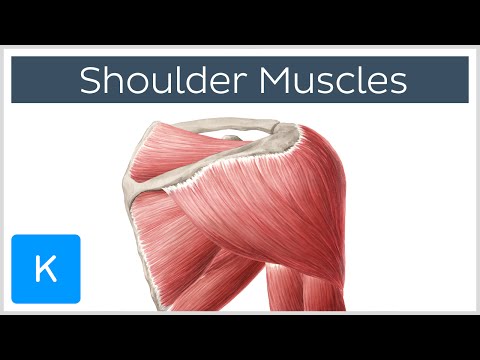
- Rotator Cuff Muscles: This group includes four key muscles—Supraspinatus, Infraspinatus, Teres Minor, and Subscapularis. They stabilize the shoulder joint during movement like tossing a ball or reaching for something on a high shelf.
- Deltoid: Shaped like an upside-down triangle on top of your arm, it’s responsible for lifting your arm away from your body.
Now, let’s talk about how these muscles work together in harmony—not unlike an orchestra playing music. For instance, when you throw a ball:
1. **The deltoid** kicks in to lift your arm.
2. **The rotator cuff** stabilizes everything so that you don’t dislocate anything.
3. **The trapezius** helps move those shoulder blades into position.
Every little action is coordinated! Crazy, huh?
And what about injuries? Well, because we use our shoulders so much—think about how often we reach or lift things—they’re pretty prone to issues like rotator cuff tears or tendonitis. It can really suck when that happens because even simple tasks become difficult.
Just remember this: strong shoulders not only look good but also keep you functioning well! So keeping those muscles active with exercises—like push-ups or overhead presses—can help maintain their health over time.
In short? Your shoulders are pretty amazing pieces of biological engineering! With all these different muscles working together seamlessly every time you reach out for something or throw a ball—it’s easy to forget just how complex it really is!
Exploring the Strength of Shoulder Muscles: A Scientific Analysis of the Deltoid’s Dominance
Alright, let’s unravel the fascinating world of shoulder muscles—specifically the deltoids. These bad boys are more than just decoration; they play a vital role in many of our daily moves.
The deltoid muscle is shaped like a triangle and wraps around the top of your arm. It actually has three parts: anterior (front), lateral (side), and posterior (back). Each part helps with different actions. Think about it: when you raise your arm to wave at someone or throw a ball, it’s mostly the deltoids doing the heavy lifting!
What’s interesting is that while all muscles work together, the deltoids often take center stage during shoulder movements. Take lifting things overhead as an example. Your deltoids get activated big time, allowing for smooth and controlled motion. You ever tried lifting something with just your biceps? Yeah, not easy.
- Anterior Deltoid: This part helps with flexion and internal rotation. You know those times when you’re reaching for something on a high shelf? That’s your anterior deltoid kicking in!
- Lateral Deltoid: This one’s crucial for abduction, which simply means moving your arm away from your body. When you raise your arms to say “Yay!” at a concert, it’s mostly this muscle working.
- Posterior Deltoid: It handles extension and external rotation. Picture yourself trying to reach behind you without twisting too much; yes, that’s thanks to your posterior deltoid.
You might be thinking: “So what if I never work out my shoulders?” Well, neglecting these muscles can lead to imbalance or injury over time. Seriously! Strong deltoids help stabilize not only your shoulder joint but also enhance performance in other activities like swimming or lifting weights.
The strength of these muscles varies from person to person due to several factors like genetics and workout routines. For instance, I remember when my buddy started going to the gym—he was all about those bicep curls! After months of dedicated training on his shoulders too, he was able to lift twice as much over his head as he could before. Amazing transformation!
A good way to strengthen these guys is through exercises like dumbbell shoulder press, lateral raises, and even push-ups if you do them right! The key is consistency—and keeping an eye on proper form.
In short, understanding how our shoulder muscles work can give us insights into better movement patterns in life. So next time you’re reaching out for that last slice of pizza or lifting something heavy, think about those mighty deltoids supporting you!
An In-Depth Guide to Shoulder Muscle Anatomy: Names and Functions in Human Physiology
So, let’s chat about the shoulder muscles. It’s kinda mind-blowing how much goes on there. The shoulder isn’t just any joint; it’s a super flexible ball-and-socket joint that allows us to do all kinds of things—from throwing a ball to reaching for that last slice of pizza!
First up, you’ve got the deltoid muscle. This one’s easy to spot. It’s that big muscle on top of your shoulder, kinda like a rounded cap. Its job? To help raise your arm out to the side and forward. You know, like when you’re waving at someone or lifting your arm for a high-five!
Then there’s the rotator cuff, which is actually made up of four smaller muscles: supraspinatus, infraspinatus, teres minor, and subscapularis. They’re like the unsung heroes of your shoulder. Their main gig is to stabilize the shoulder joint while also allowing it to move smoothly through its range of motion.
– **Supraspinatus**: This muscle helps lift your arm away from your body—think about reaching for something above you.
– **Infraspinatus**: It’s responsible for externally rotating your arm—like when you’re getting ready to throw something.
– **Teres Minor**: Similar to infraspinatus but helps with slightly different movements.
– **Subscapularis**: This one works on bringing your arm inward toward your body.
Now we can’t forget about the pectoralis major, which is that big chest muscle you see when someone flexes. It helps with movements like pushing and throwing because it pulls your arms across your body.
And oh! Don’t skip over the latissimus dorsi. This long muscle runs from your mid-back down toward your lower back, wrapping around under the armpits—kinda like a cozy blanket for those ribs. It’s crucial for pulling motions and gives you that awesome V-shape look.
Finally, we have the trapezius muscles up in the upper back and neck area. These guys are responsible for moving and stabilizing the shoulder blades—you know, those things that feel tight after a long day hunched over a computer!
You can’t really talk about these muscles without mentioning how they work together during activities. Picture this: You’re reaching overhead to grab something from a shelf while balancing on one leg (maybe because you just saw someone cute). Your deltoids lift your arm up, while those rotator cuff muscles keep everything steady so you don’t accidentally dislocate anything!
So there you have it! Each muscle in this group has its role, working together seamlessly (well most days at least). And next time you’re moving around or even just stretching out those shoulders after sitting too long at work or home, give a little nod (or elbow nudge) to these hardworking muscles doing their thing!
You know, when you think about shoulders, it’s easy to overlook just how amazing they really are. I mean, have you ever tried throwing a ball or lifting something heavy? That’s all thanks to our shoulder muscles doing their thing. Seriously, these muscles aren’t just there for show; they’re like the unsung heroes of our upper body.
So, first off, let’s talk about what’s going on in there. Your shoulder involves a bunch of different muscles working together like a team. You’ve got the deltoids that give your shoulder its shape and help with those wild arm movements. There’s the rotator cuff, which sounds like something out of a superhero movie but is crucial for stability and range of motion. And honestly, without these bad boys holding your shoulder joint together, it could get pretty messy!
One time, I was out playing frisbee with friends—a classic summer day—and I went for this killer throw. I felt this little pop in my shoulder and freaked out! It turned out to be a minor strain, but it really made me realize just how much we rely on our shoulders for everyday stuff. They’re not just about lifting weights; they help us reach for things on high shelves or even just hug someone we care about.
The thing is, having strong shoulder muscles can make a world of difference. You’ve got different functions happening all at once: lifting your arms overhead, rotating them around—it’s wild! These muscles allow you to perform all kinds of tasks without thinking twice about it. But if they’re weak or injured? Well, let’s just say life can get complicated real fast.
Oh! And let’s not forget how important flexibility is too. Stretching those shoulder muscles can prevent injuries and keep them functioning well into old age. You don’t want to be that person who can’t reach up to grab a jacket off the hook because your shoulders are tight as a drum!
So yeah, next time you’re tossing that frisbee or even just reaching out for something on the counter, take a moment to appreciate those tough little muscles doing their job behind the scenes. They might be small players in the grand scheme of things—like when compared to larger muscle groups—but they truly pack a punch when it comes to what we do every day!