So, picture this: you’re chilling at a concert, right? The band is jamming, and you’re having a blast. Suddenly, your friend leans over and says, “Did you know your ear has like three different parts?” And you’re like, “Wait—what? Three?”
Yeah, it’s true! Your ear isn’t just some squishy thing on the side of your head. It’s actually a super cool piece of engineering. Seriously, it’s wild how it all works together to let you enjoy that sweet sound of music—or whatever else you love listening to.
So let’s break down the fascinating structure of the human ear. It’s gonna be fun! You’ll see how they’ve got all these little parts working in harmony (pun intended!) to pick up every single note or whisper around you.
Understanding the Scientific Anatomy of the Human Ear: Structure and Function in Auditory Science
Understanding the human ear is like peeling an onion—you’ve got layers, and each one plays a crucial part in how we hear the world around us. Let’s break it down into simple bits.
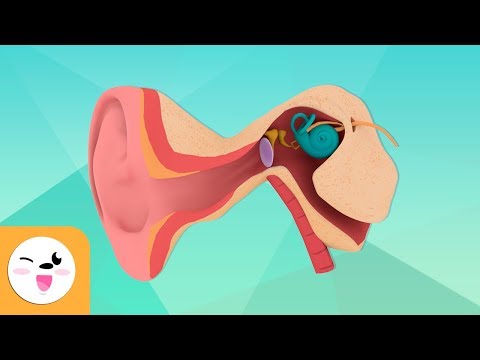
The ear consists of three main parts: the **outer ear**, the **middle ear**, and the **inner ear**. Each of these sections has its own role, but they all work together like a well-oiled machine.
Outer Ear
The outer ear is what you usually see—the part that sticks out, called the auricle or pinna. Its job? To catch sound waves from the environment and funnel them into your ear canal. Think of it as a funnel for sounds!
Inside this canal, there are tiny hairs and wax that help keep dirt and bugs out. Crazy, right? Sometimes people joke that we have built-in defenses against “ear invaders,” but hey, that’s pretty helpful!
Middle Ear
Once sound waves travel through the canal, they hit your eardrum—a thin membrane that vibrates when sound hits it. Imagine a drum being played; that’s your eardrum doing its thing! Those vibrations are then passed to three tiny bones known as the ossicles: the malleus (the hammer), incus (the anvil), and stapes (the stirrup).
These bones amplify the vibrations so they can be transmitted to the inner ear. Like a team of superheroes, each bone plays its part to make sure you hear things loud and clear!
Inner Ear
Now we get to the inner ear, which is like a super sophisticated concert hall for sounds. The most important structure here is called the cochlea—it looks like a snail shell! Inside this spiral-shaped structure are thousands of hair cells that pick up sound vibrations, translating them into electrical signals for your brain.
Think about listening to music: when those hair cells pick up on different pitches and tones, they send signals to your brain saying, “Hey! This is what we’re hearing!” This process allows you to enjoy everything from your favorite song to bird songs in nature.
Also important in this area are balance organs called semicircular canals. These maintain your sense of balance by detecting head movements. So next time you spin around too fast at a party and feel dizzy? Yep, that’s these canals working hard!
In short, each part of our ears has a specific function that contributes to our remarkable hearing capability. They work together seamlessly, allowing us not only to hear sounds but also to experience music, communicate with others, and connect deeply with our environment.
Isn’t it wild how something so small can have such an enormous impact on how we interact with our world? Just think about all those conversations you enjoy or how much fun listening to music can be—thanks to these amazing structures working together!
Exploring the Intricacies of the Human Ear: A Scientific Perspective on its Complexity and Fascination
So, let’s chat about the human ear. Seriously, it’s one of those things we often take for granted, right? But when you think about how complex and fascinating it is, it’s like, whoa! The ear isn’t just a simple organ for hearing; it’s a miraculous little system that connects us to the world of sound.
First off, there are three main parts to your ear: the outer ear, middle ear, and inner ear. Each part has its own special job. It’s like a little team working together to help you hear everything from your friend’s laughter to your favorite song playing on the radio.
The outer ear includes the part you see—the pinna—along with the ear canal. This structure gathers sound waves and funnels them toward the eardrum. Think of it as a cool funnel that helps capture all those vibrations floating around.
Then there’s the middle ear, which houses three tiny bones known as ossicles: the malleus, incus, and stapes. These bones are seriously small but super important! They work together to amplify sound waves that hit the eardrum and then pass those vibrations into the inner ear. Imagine them like little levers boosting sound to make sure it reaches where it’s supposed to go.
Now onto the inner ear. This is where things get really interesting! Here you’ll find the cochlea—a spiral-shaped structure filled with fluid and tiny hair cells. When vibrations move through this fluid, they create waves that make those hair cells move. And guess what? Those movements get converted into electrical signals that travel straight to your brain! It’s like a secret code for sounds.
But wait! There’s more than just hearing going on here. The inner ear also has something called the vestibular system, which helps us keep our balance. So when you’re walking down the street or dancing at a party (hopefully not tripping over your own feet), this part of your ear is working hard behind the scenes!
You know what I find wild? Just thinking about how sensitive our ears are! They can detect sounds from 20 Hz up to 20,000 Hz—that range is mind-blowing if you think about it! And our ears don’t even stop working when we sleep; they can still pick up on sounds around us while we snooze away.
Sometimes I think back to my childhood days at summer camp when I’d lay in my bunk listening to crickets chirping outside at night. Those little sounds were music to my ears after a long day of swimming and hiking. It was during those moments that I really appreciated how amazing hearing is—like being surrounded by nature’s symphony!
In short, our ears are not just simple organs; they’re intricate structures with multiple functions. They allow us not only to hear but also help maintain balance in our everyday activities. Next time you put on some headphones or enjoy nature’s sounds outside, take a moment to appreciate how complex and fascinating your ears truly are! How cool is that?
Exploring the Human Ear: Anatomy, Function, and Significance in Life Sciences
The human ear is a real marvel, isn’t it? It’s not just about hearing music or your friend’s gossip. This remarkable organ plays a huge role in how we interact with the world. So let’s dig into what makes the ear tick—its anatomy, function, and why it’s significant in life sciences.
Anatomy of the Ear
The ear can be divided into three main parts: the outer ear, middle ear, and inner ear. Each section has a special job to do.
- Outer Ear: This includes the visible part called the pinna and the auditory canal. The pinna works like a funnel to capture sound waves and direct them inward.
- Middle Ear: Here’s where things get interesting! This chamber contains three tiny bones known as ossicles (the malleus, incus, and stapes). These bones amplify sound vibrations from the air before they hit the inner ear.
- Inner Ear: It houses the cochlea, which looks like a snail shell. Inside are thousands of hair cells that convert sound vibrations into electrical signals sent to your brain!
It’s incredible how these parts work together so smoothly!
Function of the Ear
Now that you know what it looks like, let’s talk about how it works. When you hear a sound, here’s what happens:
1. Sound waves enter through the outer ear.
2. They make their way down to your eardrum in the middle ear.
3. The eardrum vibrates and sends these vibrations through those ossicles.
4. Finally, these vibrations reach your cochlea in the inner ear where hair cells transform them into signals.
This process allows you to distinguish different sounds! Imagine hearing your favorite song or laughing with friends—thanks to this intricate system.
Significance in Life Sciences
Understanding how our ears work isn’t just some random trivia; it has real-world applications in life sciences. Researchers study hearing loss and develop treatments for conditions like tinnitus (that annoying ringing sound), showing us there’s more than meets the eye—or rather, more than meets the ear!
The anatomy of our ears also helps scientists understand balance. The inner ear contains structures called semicircular canals that help regulate our sense of balance by detecting head movement. If you’ve ever felt dizzy after spinning around too fast, now you know why!
This type of understanding can lead to innovations in healthcare, especially for older individuals who might face hearing issues or balance problems as they age.
In wrapping up this little adventure through our ears, it’s pretty clear: they’re more than just tools for listening! They’re amazing organs that help us connect with others and navigate our environment effectively—so take a moment today to appreciate them!
You know, the human ear is kind of amazing when you start to think about it. I mean, just take a moment—how do we hear that sweet sound of a favorite song? Or the laughter of friends? Well, it all boils down to this incredible structure we’ve got going on in our heads.
So, here’s the deal: our ears aren’t just those outer things you see; they’re part of a super complex system. First up is the outer ear, which collects sound waves. It’s shaped like a funnel, helping to direct those vibrations into the ear canal. Pretty cool, right?
Then we get into the middle ear. Here’s where it gets interesting! You’ve got three tiny bones—the malleus, incus, and stapes—that work together like a little team to amplify those sounds. Imagine them as tiny levers that help transmit vibrations from your eardrum to the inner ear. It’s wild! I remember once being at a concert and thinking how close I was to those drums, feeling that bass thump through my body; well, my ears were doing some serious work there.
Now let’s talk about the inner ear—it’s like this hidden world of wonder. The cochlea looks like a snail shell and is filled with fluid and those tiny hair cells that actually turn vibrations into signals our brains can process as sound. If you think about it for more than two seconds, it’s almost unbelievable how something so small can have such an enormous impact on our experience of life.
But there’s more! The inner ear also plays a big role in balance with something called the vestibular system. Ever felt dizzy after spinning around? Yep, that’s your ears talking back at you! They help keep us upright and aware of where we are in space.
Honestly, isn’t it remarkable to consider how much goes on whenever we hear something? The way these different parts interact seamlessly is like teamwork at its finest—one little hiccup along the way can mess with everything! Just think about someone with hearing loss—you realize how essential these structures are for connecting us with the world around us.
So yeah, next time you jam out or even just listen to someone talk across the table, give your ears some credit. They’re not just there for decoration—they’re intricate marvels of biology working tirelessly behind the scenes every single day. Isn’t science just brilliant?